2026 Best Electric Vehicles for Global Buyers What to Expect
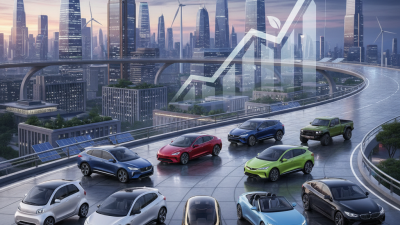
The electric vehicle (EV) market is gaining momentum rapidly. By 2026, industry reports predict that EV cars will comprise nearly 30% of new vehicle sales globally. This forecast comes as manufacturers like Tesla, Ford, and Volkswagen invest heavily in EV technology. Battery advancements and improved charging infrastructure play essential roles in this shift.
Notably, the growing demand is driven by consumer awareness of climate change and government incentives. For instance, countries like Norway aim for all new cars to be emission-free by 2025. However, challenges persist, such as high production costs and limited charging networks in some regions.
As more global buyers consider EV cars, they must weigh pros and cons. While embracing sustainability, many buyers hesitate due to range anxiety and charging times. Understanding these factors is critical as we approach a future dominated by electric vehicles. The journey toward a comprehensive EV landscape continues, marked by both progress and challenges.
Key Trends Shaping the Electric Vehicle Market in 2026
As we look ahead to 2026, the electric vehicle (EV) market is on the cusp of significant transformation. This year will likely see a surge in affordable models, making green technology accessible to more consumers. The rising interest in sustainability is driving manufacturers to innovate. Expectations include longer battery life and faster charging capabilities. Cities are investing in infrastructure, supporting greater EV adoption.
Another key trend is the focus on autonomous driving features. Many manufacturers are enhancing their vehicles with advanced driver-assistance systems. However, the regulatory landscape around autonomous technologies remains complex. Consumers are cautious about safety and reliability in self-driving cars. The development of clear guidelines is essential for consumer trust.
Lastly, community engagement becomes vital. Local governments and organizations are working together to encourage EV use. Public awareness campaigns are necessary to address common misconceptions. Despite progress, challenges persist, such as charging station availability in rural areas. Addressing these gaps will determine how quickly adoption accelerates. The road to 2026 is exciting yet intricate, shaped by innovation and community needs.
Top Electric Vehicle Brands to Watch in 2026
As we look towards 2026, electric vehicles (EVs) are set to transform the automotive landscape. Emerging brands are redefining innovation in sustainability and performance. Many companies are making strides in battery technology, enhancing both range and efficiency. The competition is fierce, and buyers will benefit from more options than ever before.
Key players are focusing on driver experience. This includes user-friendly interfaces and advanced safety features. It’s essential for these brands to ensure that technology does not overwhelm the user. Many recent models have showcased impressive acceleration and intuitive navigation systems. However, the challenge remains in maintaining affordability while pushing the envelope on tech.
Sustainability will be central to EV development. Future brands must navigate the complex landscape of supply chains to ensure ethical sourcing of materials. It's a growing concern among consumers. Additionally, some brands still struggle with after-sales service and customer support. Addressing these issues could greatly enhance the overall ownership experience. Improvements in these areas will be crucial for cultivating brand loyalty by 2026.
2026 Best Electric Vehicles for Global Buyers: Market Trends
Innovative Technologies Driving the Future of Electric Vehicles
The electric vehicle (EV) landscape is evolving rapidly. Innovative technologies are at the forefront, shaping the future. According to a 2023 Market Research report, battery technology advancements will drive up to 80% of the expected growth in EV adoption by 2026. More efficient batteries mean longer ranges, faster charging, and lower costs.
Autonomous driving features are another exciting development. They are expected to increase safety and convenience for users. A recent study predicts that self-driving technology will reduce accidents by 90% over the next decade. These advancements come with challenges, such as regulatory hurdles and public acceptance. Implementing AI safely is complex and needs continuous assessment.
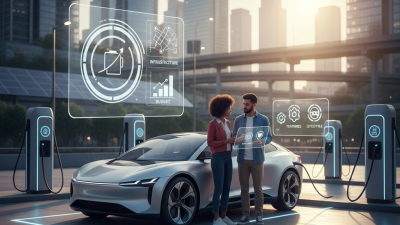
Charging infrastructure remains a significant concern. A report by the International Energy Agency forecasts that the number of charging stations must increase by 100% by 2025 to support rising EV sales. While many cities are investing in this area, rural areas still face obstacles. Equitable access to charging stations is essential for widespread adoption. Addressing these issues will require collaborative efforts from governments, stakeholders, and the public.
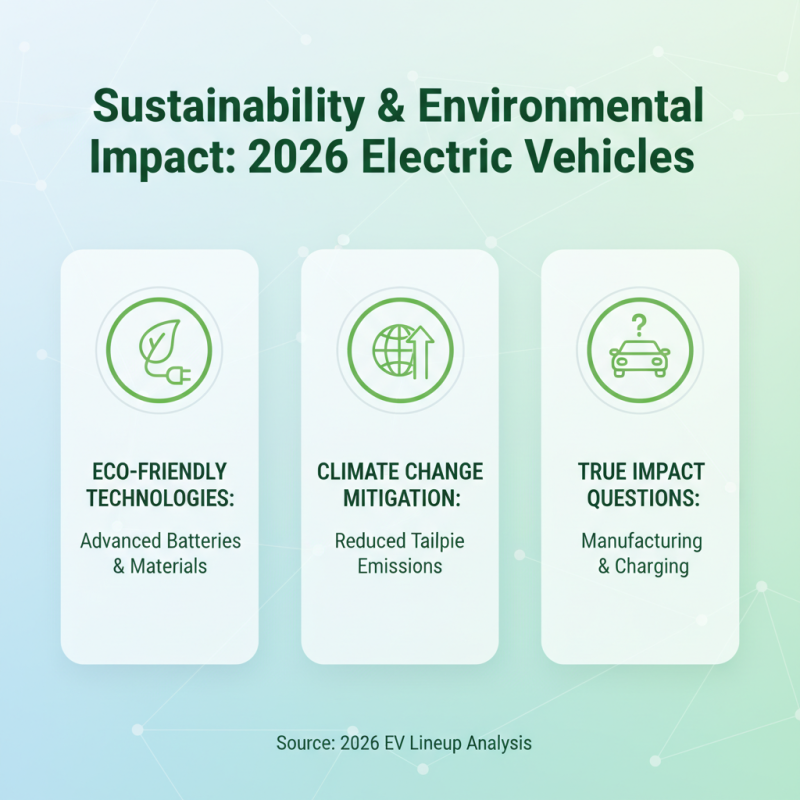
Sustainability and Environmental Impact of 2026 Electric Vehicles
The sustainability of electric vehicles (EVs) is more crucial than ever. As the world faces climate change challenges, the push for environmentally friendly transportation grows. The 2026 lineup of EVs shows promising advancements in eco-friendly technologies, but questions about their true impact linger.
Many manufacturers are investing in battery recycling methods. This reduces waste and lowers the demand for raw materials. However, the entire lifecycle of EV batteries remains a concern. Extraction processes for lithium and cobalt often harm ecosystems. It raises ethical questions about sourcing materials sustainably.
Innovations in renewable energy integration are emerging. Some new EVs will utilize solar panels to extend their range. This approach reduces reliance on grid power, which may come from fossil fuels. Still, challenges exist. The grid must evolve to support widespread EV charging without straining resources. Continuous improvements are needed in energy sourcing and infrastructure to truly achieve sustainability.
Consumer Preferences and Buying Patterns for Electric Vehicles in 2026
As we approach 2026, the electric vehicle (EV) market is evolving rapidly. Consumer preferences are shifting towards sustainability and advanced technology. A recent report by the International Energy Agency indicates that over 50% of new car sales could be electric by 2026. This transition reflects broader environmental concerns and governmental policies worldwide.
Many buyers now prioritize range and charging time. A study by McKinsey reveals that 70% of consumers consider a vehicle's charging speed as pivotal in their buying decision. Additionally, the desire for smart features is rising. Consumers expect seamless integration with their devices, enhancing the overall driving experience. However, not all consumers trust these technologies yet. Some worry about data privacy and system reliability, elements that warrant further examination by manufacturers.
Tips for prospective buyers: First, assess your daily driving needs. Understanding your typical mileage helps in selecting the right range. Look for options that offer fast charging capabilities, as they can save time. Lastly, consider the resale value. Emerging trends show that EV depreciation rates differ significantly from traditional vehicles, which could affect long-term investment value. An informed decision can lead to greater satisfaction.
2026 Best Electric Vehicles for Global Buyers
| Model |
Range (miles) |
Price ($) |
Charging Time (hours) |
Seat Capacity |
Safety Rating |
| Model A |
300 |
45,000 |
1.5 |
5 |
5 stars |
| Model B |
250 |
35,000 |
2.0 |
4 |
4 stars |
| Model C |
370 |
60,000 |
1.0 |
5 |
5 stars |
| Model D |
220 |
28,000 |
2.5 |
4 |
3 stars |