Top 10 Benefits of Buying a 2nd Hand Electric Car?
In recent years, the market for 2nd hand electric cars has gained significant traction. According to industry expert Marcus Green, “Choosing a 2nd hand electric car can be both economical and eco-friendly.” This statement highlights the growing interest in sustainable transportation options.
Owning a 2nd hand electric car can reduce overall costs. Buyers often find that these vehicles provide substantial savings on fuel and maintenance. The initial depreciation of electric vehicles further enhances affordability. However, buyers should be aware of potential hidden issues. Battery life and condition are crucial factors to consider.
Moreover, environmental impact plays a vital role in the decision-making process. A used electric car helps to reduce carbon footprints significantly. Yet, some may worry about the car’s reliability or longevity. Striking a balance between cost-efficiency and sustainability is essential for potential buyers.
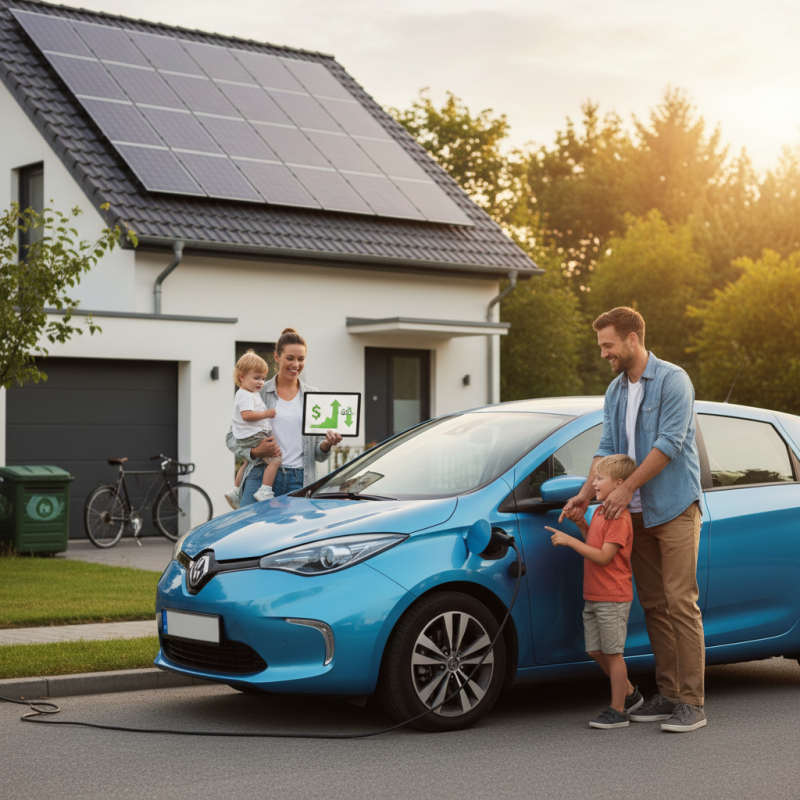
Advantages of Reduced Purchase Cost for Second-Hand Electric Cars
Buying a second-hand electric car can significantly reduce your initial purchase cost. According to a report from the International Energy Agency (IEA), the average price of a used electric vehicle (EV) is nearly 30% lower than a new model. This reduction makes electric cars more accessible to a wider range of consumers, particularly those on a budget.
Moreover, as electric vehicles become more popular, their resale values often decline. The U.S. Department of Energy highlights that many EVs depreciate rapidly, especially within the first few years. This might raise concerns for buyers; some might prefer new vehicles for their latest features. However, for many, the substantial savings on upfront costs outweighs the need for the latest technology.
With the savings from buying used, consumers can invest in home charging solutions or upgrades for their vehicles. Still, it's important to conduct thorough research on a used EV's battery life and overall condition. Some older models may require costly battery replacements sooner than expected. Therefore, buyers should weigh these factors carefully.
Top 10 Benefits of Buying a 2nd Hand Electric Car
| Benefit |
Description |
| Reduced Purchase Cost |
Second-hand electric cars typically cost significantly less than new models, making them more accessible. |
| Depreciation |
Electric vehicles depreciate faster than traditional cars, allowing buyers to find a better deal on used models. |
| Environmental Impact |
Buying used electric cars reduces waste and the carbon footprint associated with manufacturing new vehicles. |
| Insurance Costs |
Insurance premiums are often lower for second-hand electric cars compared to new ones, saving money over time. |
| Variety of Models |
The used electric car market offers a wide range of options, including models that may no longer be available new. |
| Tax Incentives |
Some regions provide tax incentives for purchasing used electric vehicles, reducing overall costs further. |
| Lower Maintenance Costs |
Electric vehicles generally have fewer moving parts, leading to lower maintenance and service costs. |
| Charging Infrastructure |
The growth of charging stations makes owning a used electric car more convenient than ever. |
| Support for Sustainable Practices |
Purchasing a second-hand electric car supports the sustainability movement and promotes greener transportation options. |
Environmental Benefits of Choosing a Pre-Owned Electric Vehicle
Choosing a pre-owned electric vehicle significantly benefits the environment. Each used electric car on the road reduces pollution. Manufacturing new vehicles requires high energy and resources. By opting for a second-hand option, you help decrease the total demand for new production.
Recycling old cars is essential. Many components in electric vehicles can be reused, which lowers waste. Additionally, it minimizes the carbon footprint associated with sourcing new materials. However, not all used electric vehicles are equal. The battery condition varies, and this can impact overall sustainability.
Some buyers might overlook this crucial point. A well-maintained battery is key to maximizing environmental benefits. It’s important to do thorough research. Understand the vehicle's history and current efficiency to make a responsible choice. Each decision counts in the larger picture of climate impact.
Top 10 Benefits of Buying a 2nd Hand Electric Car
This chart illustrates the top ten benefits of buying a second-hand electric car, measured by their score based on various criteria. The scores reflect the relative advantages of each benefit, highlighting the significant impact second-hand EVs can have on cost savings and environmental sustainability.
Availability of Wide Selection in the Second-Hand EV Market
The second-hand electric vehicle (EV) market is thriving. A recent report showed a 25% increase in used EV sales in the past year. This surge results in a wide selection for buyers. Shoppers can choose from various makes, models, and price ranges. You could find compact models for city driving or larger family vehicles. Each option brings unique features that suit different lifestyles.
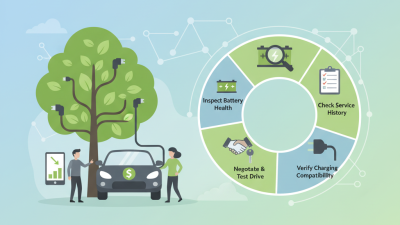
It’s essential to have a clear idea of what you need. Establish your budget and stick to it. Focus on the battery life and efficiency of the used EV. Some vehicles may have reduced range due to age. Look for models with larger battery capacities that provide more miles per charge. Inspect charging options too; some cars may come with a home charging kit.
Check local listings thoroughly. Compare prices, and don’t hesitate to negotiate. There will be variations in condition, mileage, and maintenance history among the cars available. Asking for a detailed report can ensure you understand the vehicle's history. You might find a gem that meets your requirements perfectly. But remember, some cars might show higher wear and tear than expected. Always perform a thorough inspection or hire a professional to assist if needed.
Lower Depreciation Rates Compared to New Electric Cars
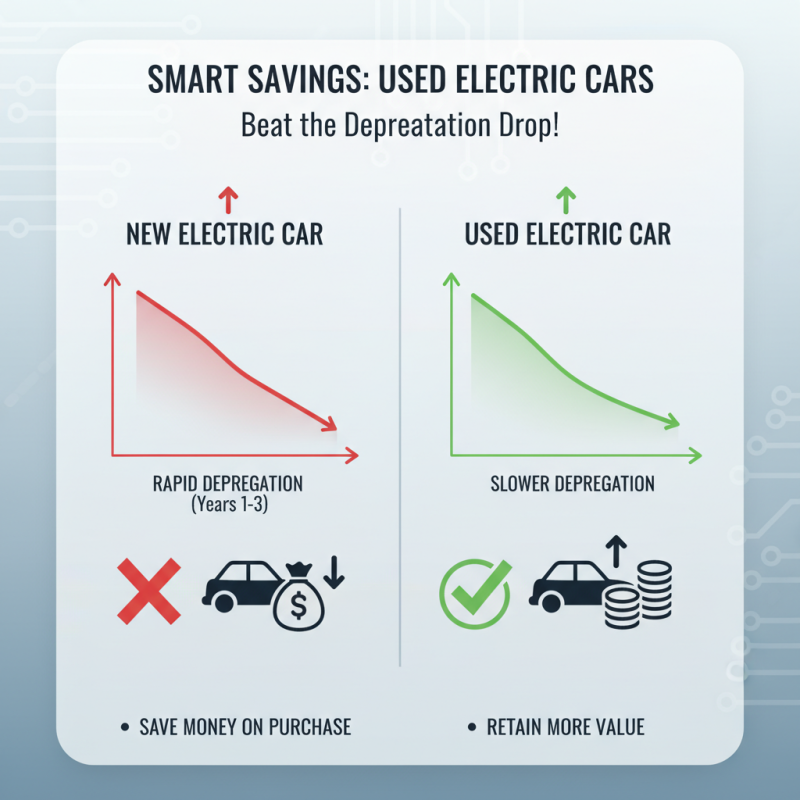
Buying a second-hand electric car offers several advantages, one of which is lower depreciation rates. New electric cars tend to lose value quickly, especially within the first few years. In contrast, used electric cars have already experienced much of that initial drop in value. This means buyers can save money while still enjoying many benefits of electric vehicle technology.
The financial impact of depreciation is significant. On average, a new electric car can lose up to 50% of its value after three years. In contrast, a second-hand electric vehicle retains its value more effectively. This allows buyers to invest in a quality car without worrying about steep depreciation. Many affordable models are still relatively new, offering modern features and decent battery life.
However, buying a second-hand car does come with some risks. It's essential to review battery condition and overall maintenance history. Not all previous owners will keep cars in good shape. A used electric car may require more inspections or repairs, which could lead to unexpected costs. Still, this can be outweighed by the money saved on the purchase price and reduced depreciation, making it a worthwhile option for many drivers.
Potential Savings on Insurance and Maintenance for Used Electric Vehicles
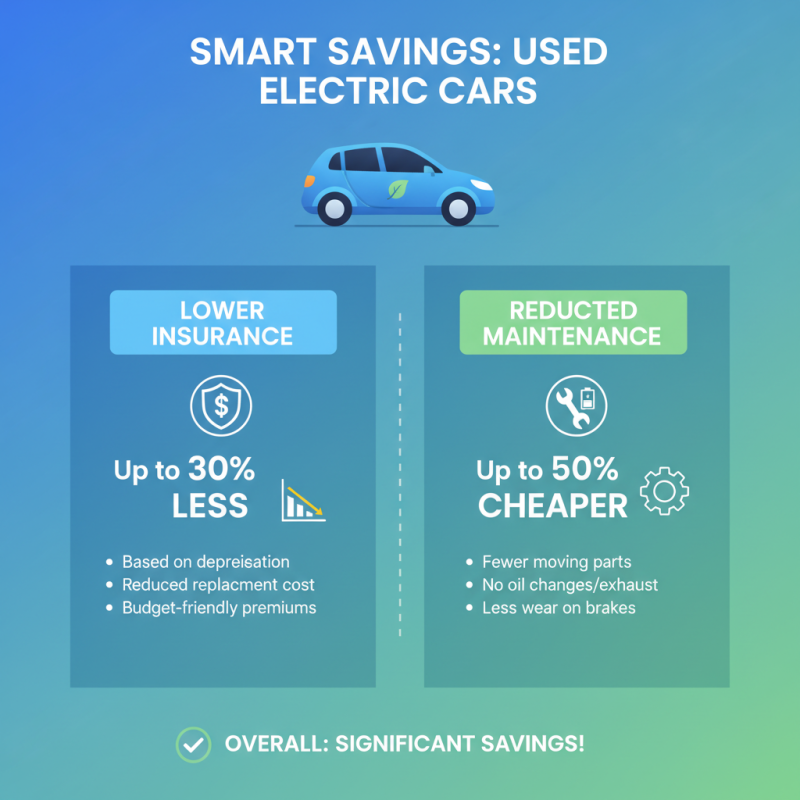
Buying a second-hand electric car can lead to significant savings on both insurance and maintenance costs. Used electric vehicles, often sold at a fraction of the price of new ones, come with lower insurance premiums. Insurers typically recognize the decreasing value and risk of older cars. This can result in some surprising savings, especially for budget-conscious buyers.
When considering a used electric vehicle, it’s crucial to check the vehicle's battery health. An older battery may not hold a charge as well, leading to higher maintenance costs in the future. Ask for a battery report to understand its condition and capacity. This step can save you from unexpected repairs.
Consider also the charging options available in your area. Some locations provide free or discounted charging for older models. This can offset the operational costs and enhance the overall value of your purchase. Always research local incentives for electric vehicles, as they can further improve your savings.