What Are the Best Electric Cars for Global Buyers in 2026?
As electric vehicles gain global popularity, the landscape of electric car options is rapidly evolving. By 2026, buyers will encounter a diverse range of electric cars, each offering distinct features. Consumers increasingly prioritize sustainability and performance, making informed choices essential in this competitive market.
Electric car auto manufacturers are innovating to meet these demands. Advances in battery technology significantly enhance driving range and charging speed. The rise of affordable models opens doors for more buyers. However, not all electric cars are created equal. Some lack reliability, and quality issues can deter potential customers.
Amidst this progression, buyers must consider their unique needs. With options ranging from compact city cars to spacious family vehicles, the perfect electric car awaits. Yet, with so many choices, careful research is crucial. Understanding your preferences will lead to a satisfying electric car experience in 2026.
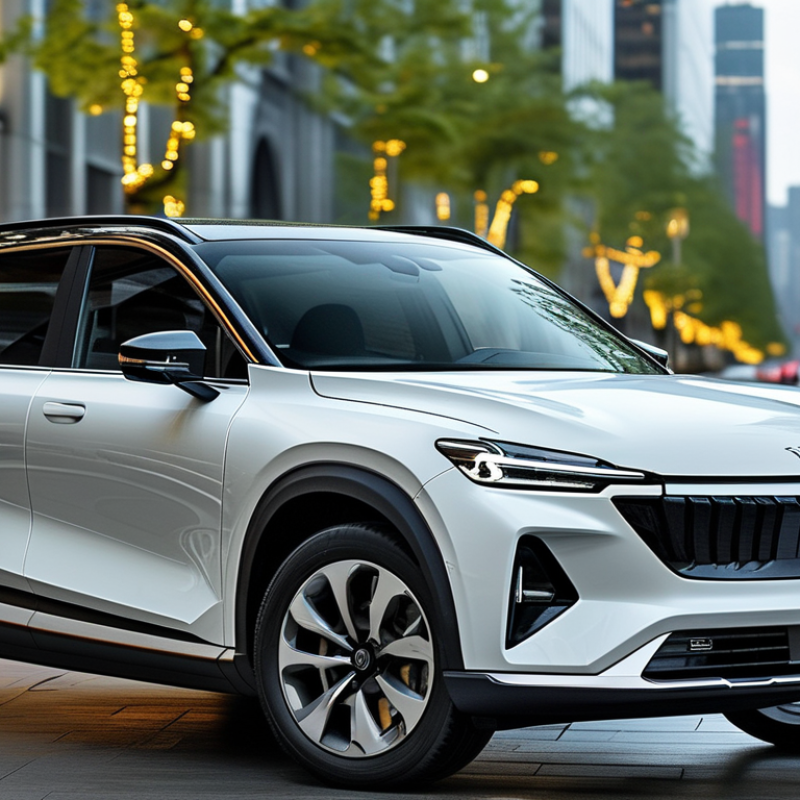
Overview of the Electric Vehicle Market Trends in 2026
In 2026, the electric vehicle market is expected to experience significant growth. Various factors will influence buyer choices and preferences. Technological advancements, affordability, and sustainability will play crucial roles. Consumers are increasingly prioritizing eco-friendly options. The push for lower emissions is shaping buyer attitudes.
Charging infrastructure is improving globally. Many regions will have widespread access to charging stations. However, this development may not keep pace with demand in some areas. Potential buyers will need to consider local charging availability. Range anxiety remains a concern, even as battery technology progresses.
Market dynamics may create a mixed environment for buyers. While technology accelerates, affordability can lag behind. Some consumers may feel overwhelmed by choices. Others might hesitate due to fluctuating prices. As the landscape evolves, adapting to change will be vital for both manufacturers and buyers.
Key Features to Consider When Choosing an Electric Car
When choosing an electric car, there are several key features to consider. Battery range is crucial. A longer range allows for fewer charging stops. Many buyers look for at least 250 miles on a single charge. This ensures convenience for daily commutes or long trips.
Charging options also matter. Some vehicles offer fast charging, drastically reducing downtime. Look for cars that support various charging networks. A home charging setup can provide additional flexibility. It’s essential to assess the ease of finding public charging stations too.
Safety features should not be overlooked. Modern electric cars often come with advanced driver-assistance systems. These can enhance safety during drives. However, the reliability of these systems can vary. It's wise to read reviews and check safety ratings. Some features may require software updates over time. Be aware of this potential hassle.
What Are the Best Electric Cars for Global Buyers in 2026? - Key Features to Consider When Choosing an Electric Car
| Model |
Range (Miles) |
Charging Time (Hours) |
Acceleration (0-60 mph) |
Price (USD) |
| Model A |
350 |
0.5 |
3.5 seconds |
45,000 |
| Model B |
300 |
1.0 |
4.2 seconds |
50,000 |
| Model C |
400 |
0.7 |
3.8 seconds |
55,000 |
| Model D |
500 |
0.6 |
3.0 seconds |
70,000 |
| Model E |
320 |
1.2 |
5.0 seconds |
35,000 |
Top Electric Car Models Anticipated for Global Buyers in 2026
As we look toward the future of mobility, 2026 promises an exciting array of electric vehicle (EV) offerings for global buyers. Analysts predict that global EV sales will surpass 30 million units by 2026, reflecting an annual growth rate of 22%. This surge is driven by increasing environmental awareness and advancements in battery technology. Range anxiety is lessening, with new models expected to offer over 400 miles on a single charge.
A notable shift involves more affordable options emerging in the EV market. Industry reports indicate that the average price for an electric vehicle is projected to dip below $35,000 by 2026. This is crucial for attracting a broader audience. Governments worldwide are pushing for stricter emissions regulations, making EVs more appealing. However, challenges remain. Charging infrastructure must expand significantly to support this growth.
Moreover, battery production faces sustainability challenges. Raw material sourcing raises ethical questions. Recycling technologies need investment to ensure a circular economy. Meanwhile, brands must balance innovation with affordability while delivering quality. The path to widespread EV adoption in 2026 might not be flawless. Disruptions due to supply chain issues could hinder progress. Monitoring these factors is essential for understanding the dynamics of the electric vehicle market.
Comparative Analysis of Electric Vehicle Range and Charging Infrastructure
The electric vehicle (EV) market is rapidly evolving, and by 2026, buyers will have diverse options. A recent report from the International Energy Agency (IEA) predicts that global EV sales could reach 35 million by then. Range and charging infrastructure will heavily influence buyer choices.
EV range is a concern. Most models currently offer between 200 to 350 miles on a single charge. However, advancements in battery technology might push this limit to 500 miles. According to BloombergNEF, a significant reduction in battery costs could accelerate this trend, with lithium-ion battery prices falling below $100 per kWh. This cost-effectiveness promotes longer ranges and more accessible vehicles.
Charging infrastructure remains another obstacle. As of 2023, there were about 1.4 million public charging points globally. Expansion is crucial, particularly in rural areas. Urban centers usually have a higher charge point density. Yet, access to fast chargers is often limited. The IEA suggests that a robust charging network should develop alongside increasing vehicle demand. Lack of infrastructure could hinder EV adoption. Thus, partnerships between governments and private sectors are vital for creating a reliable charging ecosystem.
Environmental Impact and Sustainability of 2026 Electric Cars
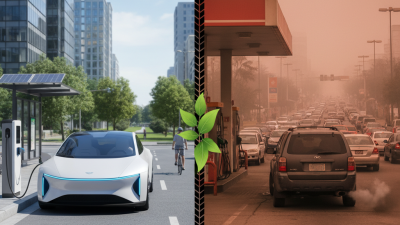
As the global automotive industry shifts towards electrification, assessing the environmental impact of electric cars in 2026 can provide valuable insights. Electric vehicles (EVs) are projected to reduce greenhouse gas emissions by around 50% compared to traditional gasoline cars. This statistic reflects a significant opportunity for reducing global warming potential.
However, the sustainability of electric cars extends beyond emissions. The lifecycle analysis of EVs reveals complex factors, such as lithium-ion battery production. According to a 2023 study, battery manufacturing can generate considerable CO2 emissions, emphasizing that technological advancements are critical. Innovative recycling methods, coupled with the shift to renewable energy sources in production, can help mitigate these effects.
Moreover, the sourcing of materials remains a concern. Cobalt and lithium extraction often lead to ecological degradation. In 2026, consumers should ask: how are these materials sourced? Responsible mining practices and circular economy frameworks are essential to ensure sustainability. Understanding these nuances helps to balance the benefits of electric cars with their environmental challenges. Consequently, the path to genuine sustainability in electric vehicle adoption necessitates ongoing dialogue and evaluation.