How to Choose the Best EV Car Charger for Your Needs?
When selecting the best EV car charger for your needs, it’s crucial to consider various factors. Renowned EV charging expert, Dr. Emily Harris, emphasizes, "The right charger can enhance your EV experience significantly." An appropriate charger not only ensures efficiency but also aligns with your lifestyle.
A good EV car charger should meet your power requirements. Charging speeds vary widely among models. Some are suited for home setups, while others fit commercial needs. Assessing the compatibility with your vehicle is vital.
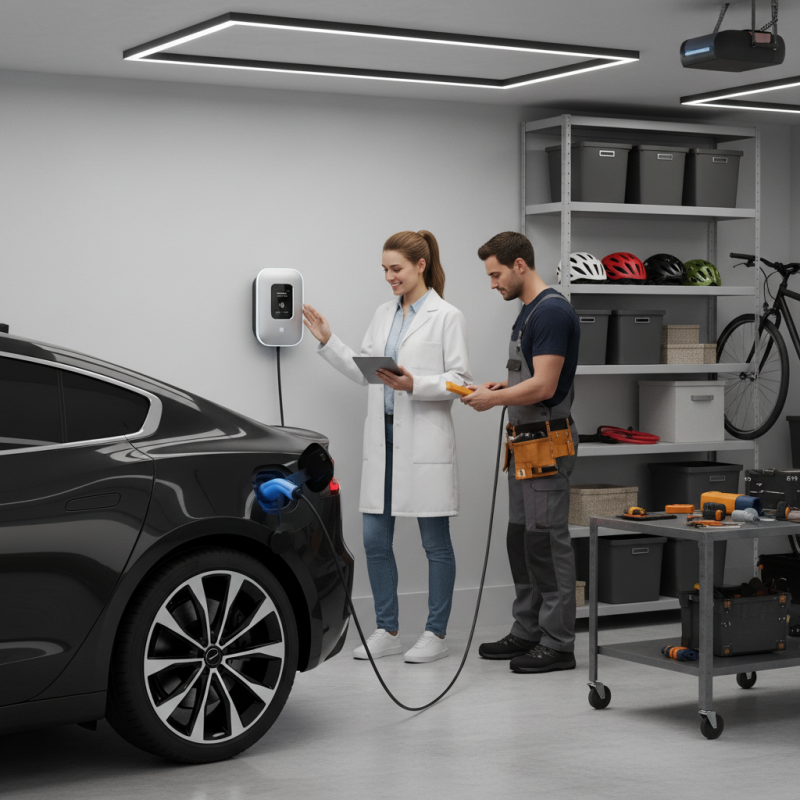
Many users overlook the importance of the installation process. An improperly installed charger can lead to safety hazards. It's essential to engage with a qualified electrician. This step often demands time and effort but is necessary for long-term reliability. Failure to do so may result in unforeseen challenges. Making an informed choice can transform your electric vehicle experience.
Understanding the Different Types of EV Car Chargers Available Today
When selecting an EV car charger, understanding the types available is crucial. There are three primary options: Level 1, Level 2, and DC Fast Chargers. Each type caters to different needs and charging speeds. Level 1 chargers use a standard household outlet. They are slower, taking up to 24 hours for a full charge. This option is suitable for owners with ample overnight charging time but can be frustrating in urgent situations.
Level 2 chargers are popular for home and public use. They require a dedicated circuit and can charge an EV in a few hours. These chargers provide a balance of speed and accessibility. However, installation costs may be a consideration. For those in a hurry, DC Fast Chargers are invaluable. They can provide an 80% charge in about 30 minutes. Despite their efficiency, they are often found in public charging stations, not ideal for home use.
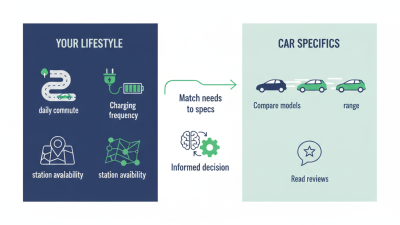
Choosing the right charger involves assessing your daily driving habits. Think about how often you travel long distances versus local trips. An ideal charger should align with your lifestyle. Many enthusiasts rush into decisions without fully understanding their needs. Reflecting on actual charging requirements can save frustration and time. Consider these factors thoughtfully for an informed choice.
Evaluating Charging Speed: Level 1 vs. Level 2 vs. DC Fast Charging
When choosing an EV car charger, understanding the differences between charging speeds is crucial. Level 1 charging uses a standard 120-volt outlet, delivering about 4-5 miles of range per hour. This option is ideal for home use, especially for those who drive short distances daily. However, it can take 8-12 hours to fully charge, creating a potential inconvenience for many users.
Level 2 charging ramps this up significantly. Operating on a 240-volt outlet, it provides approximately 25 miles of range per hour. According to the U.S. Department of Energy, installing a Level 2 charger at home could reduce charging time to just a few hours, a vital factor for daily commuters. However, this might require additional upfront costs and an electrician to install the unit.
DC Fast Charging offers the quickest solution, delivering up to 60-80 miles of range in just 20 minutes. It is primarily found in public charging stations. While it provides convenience for long trips, users must be wary of potential overuse. Frequent reliance can tax batteries more than standard charging methods. Moreover, as DC fast chargers proliferate, they may offer varying speeds based on the infrastructure in place.
Charging Speed Comparison: Level 1 vs. Level 2 vs. DC Fast Charging
Considering Power Output: How to Match Charger Capacity with Your EV
When choosing an EV car charger, understanding power output is crucial. The charger’s capacity needs to match your electric vehicle's requirements. Each EV model has a different battery size and charging speed. Knowing these details enables you to select the right charger for efficient charging.
A Level 1 charger provides 120 volts but charges slowly. A Level 2 charger, using 240 volts, charges much faster. If you often drive long distances, a Level 2 charger might be necessary. Many users find they underestimate their charging needs. This can lead to frustration when waiting hours for a full charge.
Think about your daily driving habits and charging accessibility. If you only commute short distances, Level 1 may suffice. However, if you regularly take longer trips, opt for the stronger solution. Consider your home’s electrical system as well. Assess if upgrades are needed for higher power output. This step is often overlooked but can lead to significant challenges later.
How to Choose the Best EV Car Charger for Your Needs?
| Charger Level |
Power Output (kW) |
Charging Time (hours) |
Best For |
| Level 1 |
1.4 - 2.4 kW |
8-12 hours |
Home charging, overnight |
| Level 2 |
3.3 - 22 kW |
4-8 hours |
Home, public locations |
| DC Fast Charging |
50 - 350 kW |
20-60 minutes |
Highway rest stops |
Assessing Installation Requirements and Costs for Home EV Chargers
When considering the installation of a home EV charger, it's essential to assess your specific needs. Start by evaluating the power supply at your location. Does your electrical panel support the charger’s requirements? Often, upgrading your panel may be necessary. Consult with a qualified electrician to get an accurate assessment.
Installation costs can vary widely based on several factors. Expenses include the unit itself, wiring, and labor. In some cases, charging stations can be installed outdoors or indoors, which may affect costs. Homeowners should also consider permit fees, depending on local regulations. The average installation process can take a few hours, but complex jobs may require more time and resources.
Think about the location of the charger as well. Accessibility plays a significant role in user experience. Some may find chargers in garages more convenient, while others prefer easy access from driveways. Each setup carries its pros and cons, worth discussing with professionals. It’s crucial to find a balance between convenience and cost without sacrificing safety or efficiency.
Exploring Smart Charger Features for Enhanced EV Charging Management
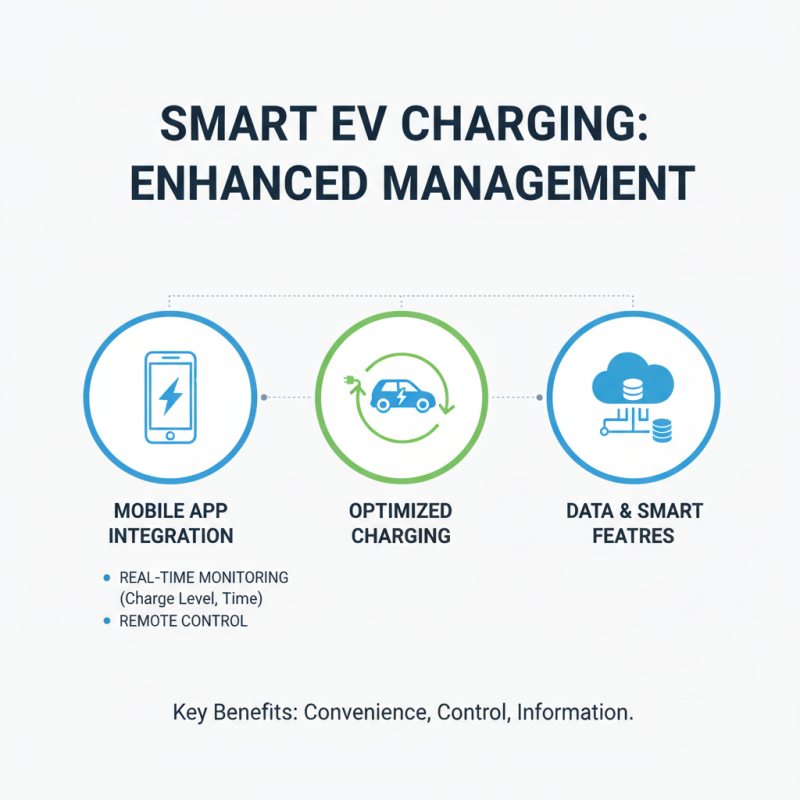
When selecting an EV car charger, smart features can significantly enhance the charging experience. Smart chargers often integrate with mobile apps. They allow users to monitor their charging status in real-time. This feature provides vital information, such as current charge levels and estimated time for completion. Many users appreciate being able to control their chargers remotely. It adds a layer of convenience that is hard to beat.
Another key feature is scheduling. Some smart chargers offer the ability to set charging periods during off-peak hours. This saves you money on your electricity bill. However, not every user finds the scheduling intuitive. There can be a learning curve that may frustrate beginners. People sometimes wish for clearer guidance on how to use these features effectively.
Furthermore, many smart chargers provide energy consumption data. Analyzing this data can help users understand their energy usage better. While this is useful, it can also lead to confusion. Users may question the accuracy of the readings. It's essential to remember that different chargers measure consumption in varied ways. Overall, a good understanding of these features can lead to a more efficient EV charging experience.