Why Choose an Electric Pickup Truck for Your Business Needs?
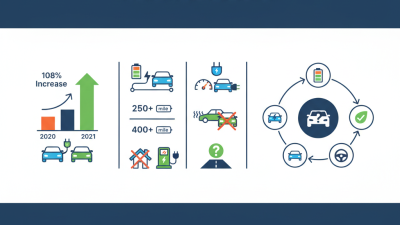
In recent years, the electric vehicle market has seen significant growth. Electric pickup trucks are at the forefront of this revolution. According to industry expert Lisa Grant, "Electric Pickup Trucks offer a sustainable, cost-effective solution for businesses today." This powerful statement highlights the shift towards greener alternatives in commercial settings.
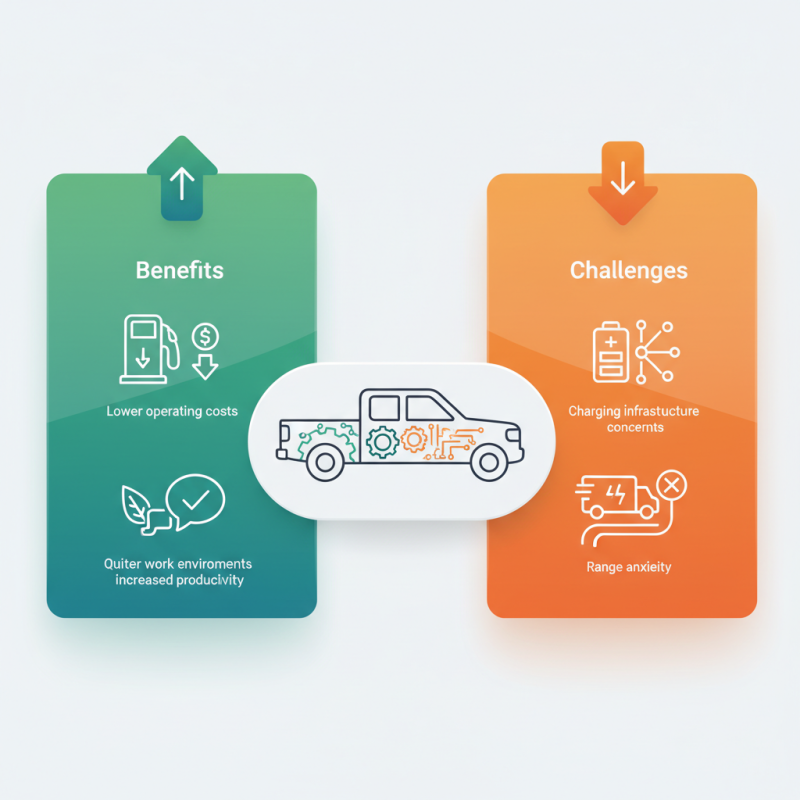
Many companies are now considering the benefits of electric pickup trucks. They promise lower operating costs and reduced emissions. For example, a typical electric pickup truck can save businesses thousands on fuel alone. The silence of these trucks also leads to quieter work environments, which can enhance productivity.
However, some businesses are still hesitant. Concerns about charging infrastructure and range persist. Understanding these challenges is crucial before making a transition. The electric pickup truck could be the answer to future needs if companies address these issues effectively. As more options become available, the benefits may soon outweigh the risks.
Advantages of Electric Pickup Trucks Over Traditional Gas Models
Electric pickup trucks offer a range of advantages that can make a significant difference for business operations.
Lower operating costs are a primary benefit. Electricity is generally cheaper than gasoline, translating into
savings over time. Maintenance costs also tend to be lower. Electric trucks have fewer moving parts than their gas counterparts,
reducing the likelihood of mechanical issues. This reliability can be crucial for businesses that rely on their vehicles daily.
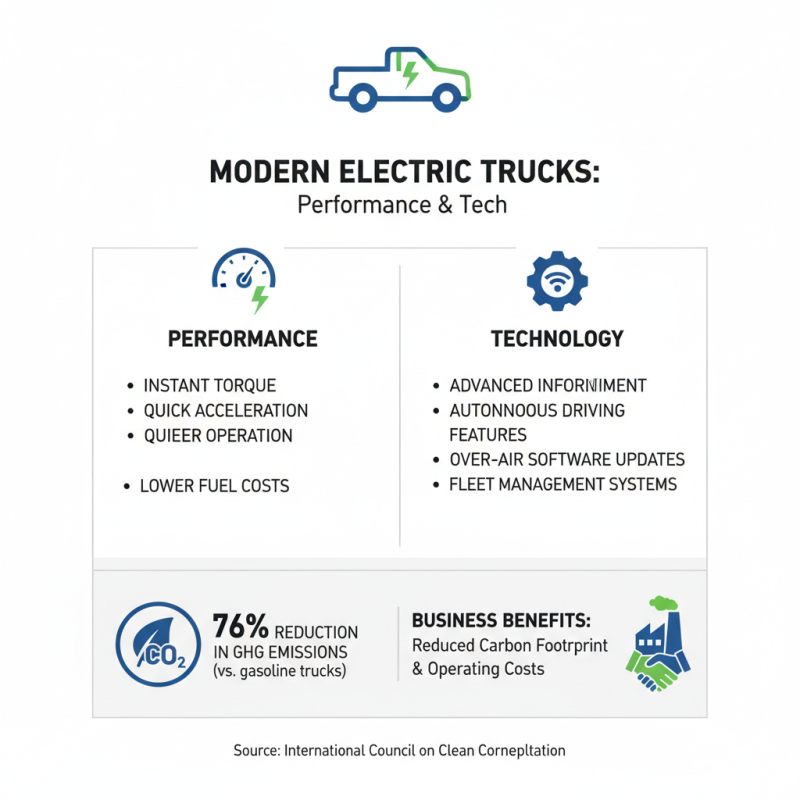
Another compelling factor is environmental impact. Electric trucks produce zero tailpipe emissions. For companies looking to enhance their
sustainability efforts, this feature can improve brand reputation. Many customers now prefer businesses that prioritize green initiatives.
Additionally, electric vehicles often come with incentives. Tax credits and rebates can offset initial purchase prices.
However, one must consider charging infrastructure. The availability of charging stations can be a concern
in certain areas. Investing in charging stations may add initial costs but can pay off in the long run.
Overall, electric pickup trucks present several advantages over traditional gas models. Businesses may find that the combination
of cost savings, sustainability, and potential incentives makes them an appealing choice.
Still, careful planning is vital to address challenges like charging accessibility. These factors contribute to a thoughtful decision-making process
when considering electric options for business needs.
Cost Efficiency and Long-Term Savings of Electric Vehicles
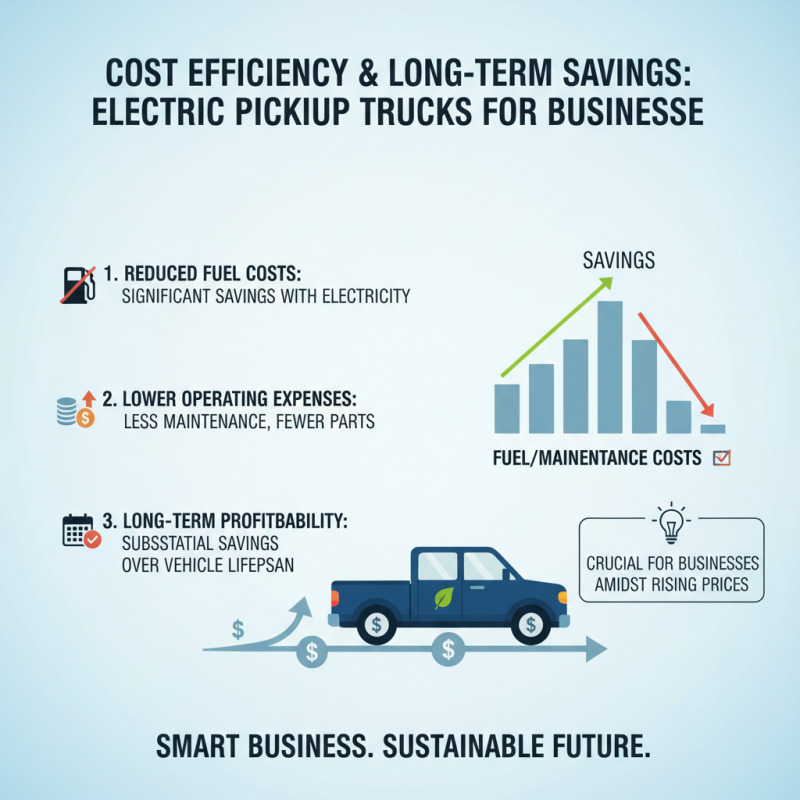
Electric pickup trucks are gaining traction in the business world. They offer notable cost efficiency, which is crucial for any operation. With rising fuel prices, the energy cost for electric vehicles can be significantly lower. Businesses can expect savings, especially when considering long-term ownership.
Maintenance also plays a role in overall savings. Electric trucks require less frequent service compared to traditional vehicles. There are fewer moving parts, which means reduced wear and tear. This advantage can save companies both time and money. However, charging infrastructure can pose a challenge. Not all locations have adequate facilities, which may require careful planning.
Moreover, the initial investment in electric vehicles can be substantial. Many businesses hesitate due to upfront costs. Incentives can mitigate this, but not always enough. Companies should weigh these factors carefully. Making informed choices can lead to real savings in the long run. It's essential to assess both tangible and intangible benefits when considering an electric pickup truck for business use.
Environmental Impact and Sustainability of Electric Pickup Trucks
Electric pickup trucks are gaining traction due to their environmental benefits. The transportation sector is a significant contributor to greenhouse gas emissions, accounting for around 29% of total emissions in the United States. Transitioning to electric vehicles can help mitigate this impact. Research indicates that electric trucks produce 45% less CO2 emissions over their lifetime compared to traditional gasoline counterparts. This transition is vital for businesses seeking sustainable solutions.
Additionally, electric pickup trucks often come with lower operating costs. According to the U.S. Department of Energy, electric vehicles can save owners up to $1,000 annually in fuel costs. However, the initial investment is a consideration. Businesses may hesitate due to the higher purchase prices of electric models. This reflects a broader concern around affordability versus sustainability.
Charging infrastructure also needs attention. While electric trucks can reduce carbon footprints, the availability of charging stations can impact their viability. Multiple studies emphasize the necessity for increased investment in charging infrastructure. The lack of accessible charging may deter some companies from transitioning entirely to electric pickups, raising questions about logistics and efficiency.
Environmental Impact of Electric Pickup Trucks vs. Gasoline Pickup Trucks
This chart compares the environmental impact and cost associated with electric pickup trucks and gasoline pickup trucks. As shown, electric trucks produce zero CO2 emissions, incur lower fuel costs, and have reduced maintenance costs compared to their gasoline counterparts, though they typically have a lower range. This data highlights the sustainability benefits of choosing electric options for business needs.
Charging Infrastructure and Accessibility for Business Operations
With the rise of electric vehicles, businesses are increasingly considering electric pickup trucks. A crucial factor for their adoption is charging infrastructure. According to the U.S. Department of Energy, the number of public charging stations increased by 60% in the last two years. This growth improves accessibility for businesses.
However, challenges remain. In many areas, charging stations are still sparse. Furthermore, certain locations may lack fast-charging options, which can lead to extended downtime. Companies need to assess the proximity of charging stations to their operations carefully. Reliability is key. If your team can't charge vehicles when needed, productivity suffers.
Tips: Evaluate your route patterns. Identify local charging stations to minimize disruptions. Plan for peak usage times to avoid long waits. Consider investing in workplace charging solutions to enhance convenience for your team.
Accessibility also varies by region. Urban centers typically have better infrastructure than rural areas. Businesses operating in less developed regions might face greater hurdles. A strategic approach to charging needs is vital. By focusing on both operational efficiency and reliable charging solutions, companies can benefit significantly from electric pickup trucks.
Why Choose an Electric Pickup Truck for Your Business Needs? - Charging Infrastructure and Accessibility for Business Operations
| Criteria |
Electric Pickup Truck |
Traditional Pickup Truck |
| Initial Cost |
$$$ |
$$ |
| Fuel Type |
Electric |
Gasoline/Diesel |
| Charging Time |
1-2 hours (fast charger) |
5 minutes (gas station) |
| Range per Charge |
200-300 miles |
400-600 miles |
| Maintenance Costs |
Lower |
Higher |
| Environmental Impact |
Lower emissions |
Higher emissions |
| Access to Charging Infrastructure |
Growing rapidly |
Established |
| Incentives |
Government rebates available |
None |