How to Choose the Best Electric 7 Seater in 2026?
Choosing an Electric 7 Seater in 2026 means balancing family space with range, charging access, safety, and running costs. A full cabin, child seats, luggage, and cold weather can all reduce real-world range. The number on a brochure is only a starting point.
The International Energy Agency’s Global EV Outlook 2025 reports that electric car sales exceeded 17 million worldwide in 2024, passing one-fifth of new-car sales. It projected sales above 20 million in 2025. These figures describe the wider electric-car market, not seven-seat models alone. That distinction matters. A fast-growing market does not guarantee that every large electric vehicle suits your routine.
IEA Executive Director Fatih Birol described the broader shift this way: “The growth in electric cars is unstoppable.” For shoppers, however, momentum is not a buying checklist. Compare usable third-row space, cargo room with all seats occupied, charging speed, warranty terms, and independent safety results. Then test the vehicle with your own passengers, if possible. A showroom seat can feel roomy; a long trip may tell a different story. There is no perfect comparison. Automakers may report range under different test procedures, while family needs vary sharply. This guide offers a practical framework for weighing the trade-offs—and for questioning impressive claims before choosing your next Electric 7 Seater.
Define Your Family’s Seating and Driving Needs
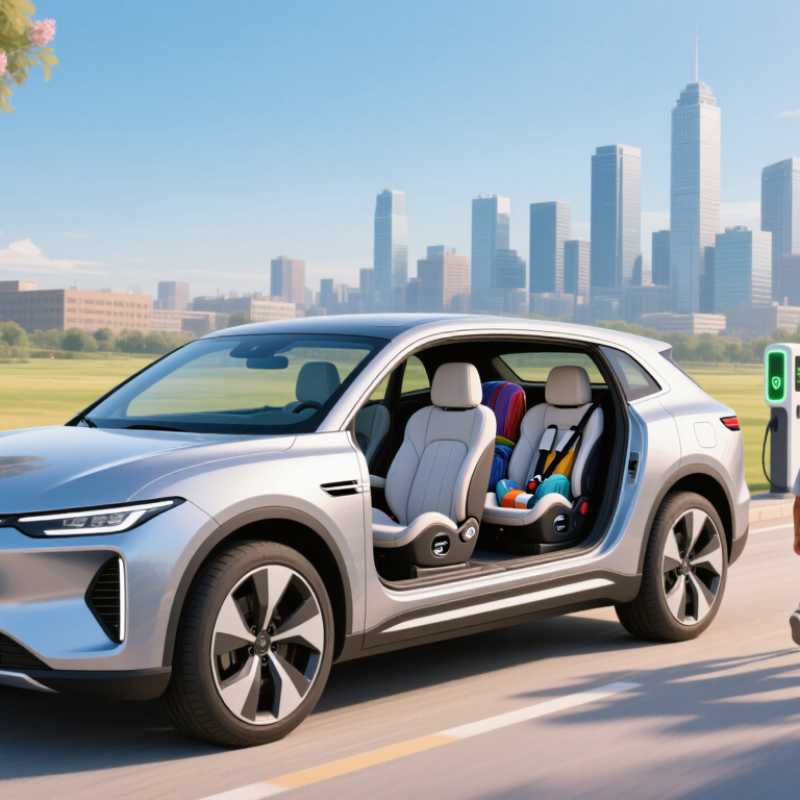
Before comparing electric seven-seaters, write down who travels with you most often. Count adults, children, and the occasional extra passenger. A family with three child seats has different needs from one carrying teenagers and grandparents. Bring your own seats to a test drive, if possible. Check whether they fit side by side and whether passengers can reach the rear row without awkward climbing.
Think about everyday journeys, not just holiday plans. How far is the school run? Where can you charge at home or near work? A short commute may need less range than weekly trips across rural roads. Cold weather, motorway speeds, and cabin heating can reduce usable range. Leave a practical buffer rather than planning around the best-case figure. Small detail, big difference.
Cargo space matters with all seven seats occupied. Try loading a folded stroller, grocery bags, or sports gear; the stated capacity may not show where those items actually fit. Check the floor height and how easily the third row folds. A neat spreadsheet can still miss a stiff seat latch or a cramped doorway. It is easy to overestimate how often everyone rides together, too. Be honest about that, but leave room for changing routines.
Understand Electric 7-Seater Types and Layouts
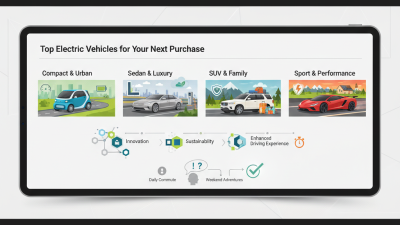
Electric seven-seaters usually come as SUVs, people-movers, or van-style vehicles. An SUV may suit mixed family use and feel familiar to drive. Its third row, however, can feel tight for adults on longer journeys. People-movers often prioritize cabin space, sliding access, and an easier step-in. Van-style layouts can offer a boxier cabin, though parking space and garage height deserve a real-world check.
Layouts shape daily comfort as much as body style. A 2+3+2 arrangement uses a second-row bench and keeps all seven seats available. Two separate second-row seats can make the third row easier to reach. But they may reduce seating flexibility, and not every model offers them. Check whether the middle seat has a proper headrest and three-point belt. Bring your child seats if possible.
With all seats occupied, luggage space may shrink to a few soft bags. Measure the stroller, school bags, or groceries you actually carry. Check whether the third row folds flat, splits, or must be removed. Floor height matters too; a tall load lip can make lifting awkward. Honestly, a tidy cabin diagram can mislead. Sit in every row, then test the boot with the seats in use.
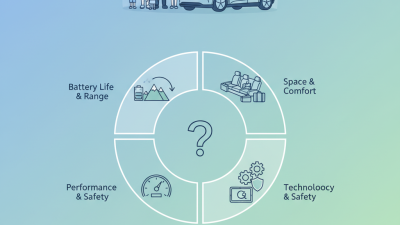
Compare Range, Charging, Space, and Performance
Choosing an electric seven-seater starts with the journeys you actually make. Compare the stated range with your regular routes, not an idealized road trip. Cold weather, highway speeds, hills, and a full cabin can all reduce distance between charges. Keep a practical buffer for detours and busy days. That matters. Check independent road tests alongside official figures, since results depend on conditions and driving style.
Charging convenience is more than a headline charging rate. If you can charge at home overnight, a modest daily top-up may cover routine travel. For longer trips, check where rapid chargers sit along your route and how quickly the vehicle can sustain charging after its initial peak. A short stop is useful only when the charger is available and the battery accepts power efficiently. I would not rely on one perfect test result; charging times vary.
Space needs a hands-on check. Bring the child seats, bags, or sports gear you use most, then try the third row and access to it. Look at luggage room with all seven seats raised; some cabins leave little space for bulky cases. Performance matters, too, but smooth acceleration and confident merging may be more useful than a quick sprint. Small details count. Notice visibility, turning ease, and whether the ride stays composed with passengers aboard.
How to Choose the Best Electric 7 Seater in 2026?
Compare range, charging, space, and performance using four anonymized examples. Higher scores indicate a stronger result for that measure; for acceleration, a quicker 0–100 km/h time scores higher.
Scores are normalized to a 0–100 scale from the example figures below: range 400–700 km, peak DC charging power 100–250 kW, cargo space behind the third row 100–350 L, and 0–100 km/h acceleration time 4–12 seconds. Figures are representative published specifications; trim, model year, and market can change them. WLTP range is not a guarantee of real-world range.
| Example |
WLTP range |
Peak DC charge |
Cargo, all seats up |
0–100 km/h |
| A | 536 km | 100 kW | 110 L | 8.9 s |
| B | 563 km | 210 kW | 333 L | 5.3 s |
| C | 600 km | 250 kW | 310 L | 5.9 s |
| D | 660 km | 160 kW | 259 L | 9.7 s |
What to prioritize: choose a longer range for frequent long trips, faster DC charging for shorter stops, and check third-row legroom and luggage capacity in person. Peak charging power alone does not determine charging time; the charging curve and battery temperature matter too.
Check Safety Features, Warranty, and Ownership Costs
How to Choose the Best Electric 7 Seater in 2026?
Safety deserves more than a quick glance at a feature list. Check the exact trim for automatic emergency braking, blind-spot alerts, and rear cross-traffic warnings. Confirm that child-seat anchors are easy to reach in the second and third rows. Review independent crash-test results where available, and take a test drive with the whole family if possible. A full cabin can change visibility and access. Small details matter.
Read the battery and vehicle warranties carefully. Compare coverage periods, mileage limits, and what happens if battery capacity declines. Ask which items are excluded; the fine print can change the value of a generous-looking offer. Then estimate ownership costs using your real routine: home charging installation, electricity rates, insurance, tire replacement, and scheduled service. Larger, heavier vehicles may wear tires faster. The spreadsheet still cannot predict resale value perfectly, so leave room for uncertainty.
Tips: Get an insurance quote before ordering. Check whether your parking space supports charging, and price the installation. Bring a tape measure for car seats and luggage. Do not rely on brochure range alone; compare it with your usual trips, cold-weather needs, and access to charging.
Test-Drive Shortlisted Models Before Choosing
A specification sheet cannot tell you whether the third row works for your family. Test-drive each shortlisted electric seven-seater with the people who will use it. Bring a child seat, a stroller, and your usual bags. Check how easily passengers enter the back, and whether adults can sit there without their knees pressing forward. Small details matter.
Drive a route that resembles your week. Include a rough road, a tight parking space, and a stretch of faster traffic. Notice how the vehicle responds when fully occupied. Does acceleration still feel smooth? Is the cabin quiet enough for conversation? Try the regenerative braking in stop-and-go traffic; some drivers adapt quickly, while others find it abrupt. That difference is personal.
Ask the dealer to begin with a realistic battery charge, then compare the displayed range after your route. Use climate control, too. Cold weather, heating, and heavy loads can change real-world range, so one short drive cannot settle everything. Check visibility from every seat and locate the charging port before leaving. Take notes between drives. I once overlooked a high boot lip during a quick inspection; it would have made loading groceries awkward. A second visit may be worth it.