What is an Electric Car Long Range and How Does It Work?
Electric Car Long Range has become a significant focus in the automotive industry. Recent studies indicate that by 2025, approximately 30% of all vehicles sold will be electric. This surge emphasizes the importance of understanding the technology behind long-range electric cars.
These vehicles typically offer ranges exceeding 200 miles on a single charge. The Tesla Model 3, for example, has an impressive range of around 353 miles. Such advancements are crucial for addressing consumer range anxiety. However, challenges remain, such as battery degradation over time and the availability of charging infrastructure.
Moreover, while electric car ranges are increasing, the environmental impact of battery production raises concerns. Reports show that lithium-ion batteries require substantial resources, which can be harmful. This double-edged sword of progress compels us to reflect on sustainability as we embrace this new era of driving.
What Defines Long Range in Electric Cars?
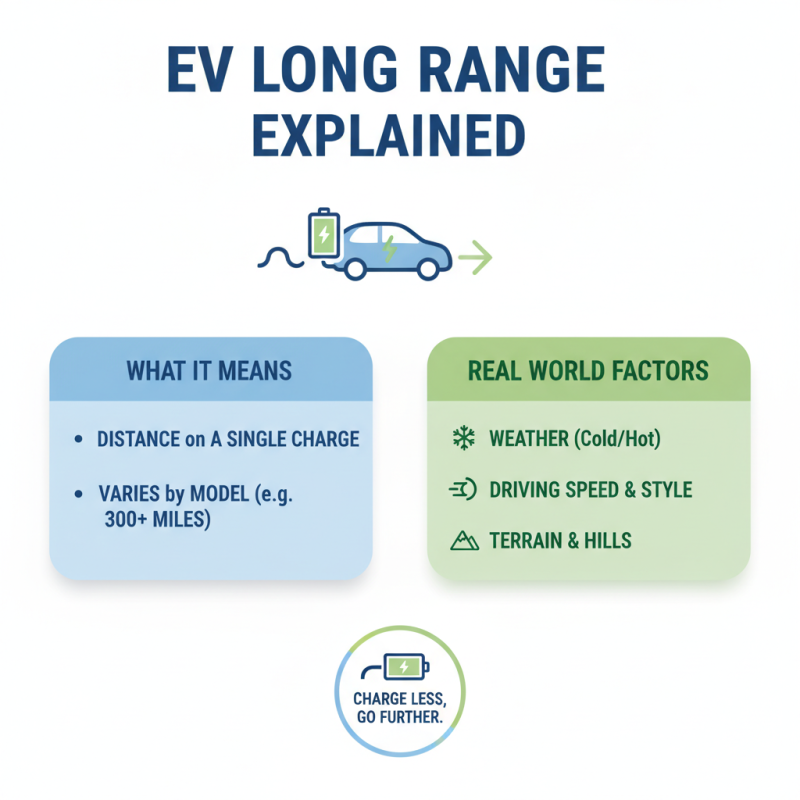
When discussing electric cars, the term "long range" often comes up. But what does long range really mean? Typically, it refers to the distance an electric vehicle can travel on a single charge. This range varies between models, with some capable of exceeding 300 miles. However, it’s essential to note that real-world conditions can impact this number significantly.
Factors like driving habits and terrain play a crucial role. A hilly route might drain the battery faster than a flat road. Additionally, using air conditioning or heating can reduce efficiency. Many drivers expect electric cars to perform like traditional vehicles, but often, they don’t realize the nuances involved. With varying results in range, understanding these factors is key for potential buyers.
Charging infrastructure also influences long-range capabilities. Not all areas have convenient charging stations. While some may plan long trips, a lack of charging options can lead to anxiety. Knowing where to charge and how often is vital for maximizing travel distance. Long-range certainly adds appeal, but it isn’t the only consideration in choosing an electric vehicle. At times, it may even feel like a balancing act to find the right fit.
Key Components that Enable Long Range Performance
Electric cars are becoming increasingly popular due to their long-range capabilities. The key components that contribute to this performance include
advanced battery technology, efficient electric motors, and aerodynamic designs.
Batteries are a critical factor. Modern lithium-ion batteries can store significant energy, with capacities reaching up to
100 kWh in some models. This allows for ranges exceeding 300 miles on a single charge.
The efficiency of electric motors also plays a vital role. These motors convert electrical energy into motion with minimal losses. According to
industry reports, electric motors can achieve between 90-95% efficiency, much higher than traditional internal combustion engines.
Aerodynamics significantly impacts how far an electric car can go. A streamlined design reduces drag, enhancing the vehicle’s range.
Studies indicate that even small improvements in aerodynamics can increase efficiency by 10-20%.
However, there are challenges. Battery degradation over time reduces overall performance. It’s essential to consider
temperature effects on battery life as well. Moreover, widespread charging infrastructure is still developing.
Not all areas have adequate charging stations, limiting practicality for long-distance travel.
Electric cars are improving, but these considerations require attention. Balancing technology advancements with real-world usability is key for future growth.
Battery Technology Impact on Electric Car Range
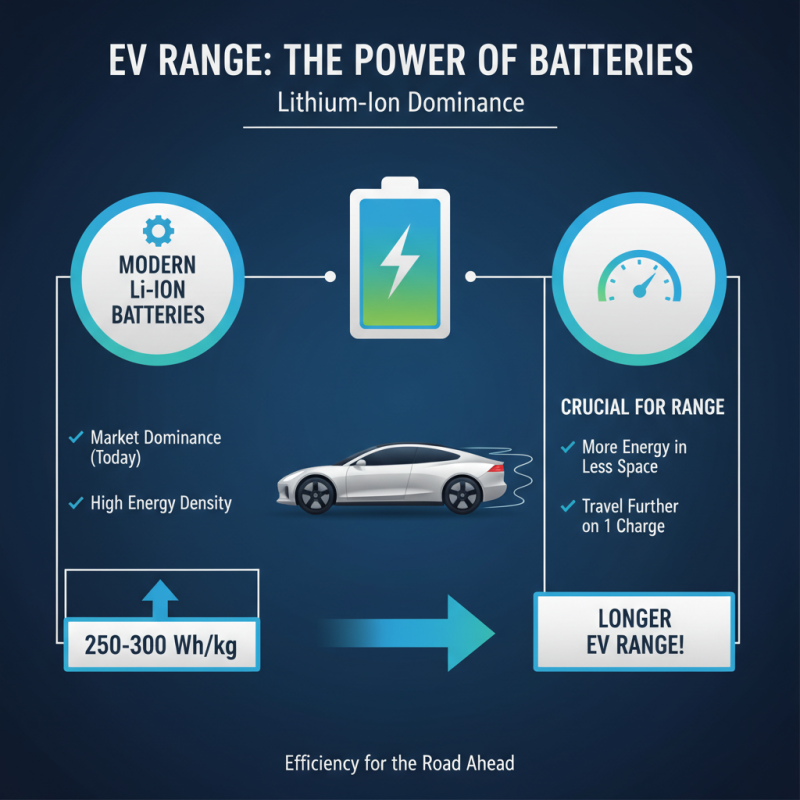
Battery technology plays a crucial role in determining the range of electric cars. Modern lithium-ion batteries dominate the market today. These batteries offer energy densities of around 250 to 300 Wh/kg. This means they can store more energy in a smaller space. As a result, electric vehicles (EVs) can travel further on a single charge.
However, not all batteries are equal. Factors such as temperature, age, and charging habits can affect performance. According to research by the International Council on Clean Transportation, battery efficiency can decrease by 20% in extreme temperatures. This highlights the need for critical assessments of battery maintenance and usage.
Tips: To maximize your electric car's range, avoid frequent fast charging. Also, try to park in shaded areas during hot weather. This helps maintain optimal battery temperature.
Developments in new battery technologies, like solid-state batteries, may also improve range. They promise higher energy density and faster charging. Yet, they are still in the research phase. Potential challenges remain, including cost and scalability. As the market evolves, consumers must stay informed about these advancements. Understanding how battery technology impacts range is essential for making smart choices in the evolving electric vehicle landscape.
Factors Influencing Electric Vehicle Range
Electric vehicles (EVs) offer a range that depends on several factors. Battery capacity plays a crucial role. A larger battery usually means a longer range. However, it also adds weight. This can affect efficiency.
Driving habits significantly impact range. Aggressive acceleration and high speeds drain the battery faster. Smooth acceleration and maintaining a steady speed help extend the distance an EV can travel. Additionally, using climate control systems can reduce range. Heating or cooling the cabin uses extra power.
Terrain is another influencing factor. Driving uphill requires more energy than on flat roads. Extreme weather conditions can also play a role. Cold temperatures can reduce battery efficiency. Conversely, hot weather might affect cooling systems. Each of these factors needs consideration when evaluating an electric car's long range.
Electric Car Long Range Data Table
| Model |
Battery Capacity (kWh) |
Estimated Range (miles) |
Charging Time (0-80%) |
Motor Power (kW) |
| Model A |
75 |
300 |
30 minutes |
150 |
| Model B |
100 |
350 |
40 minutes |
200 |
| Model C |
85 |
320 |
35 minutes |
180 |
| Model D |
90 |
300 |
45 minutes |
170 |
Comparing Long Range Electric Cars with Traditional Vehicles
Long-range electric cars are transforming transportation. They offer a practical alternative to traditional gasoline vehicles. According to a recent industry report, the average range of electric cars has improved significantly. Many can now travel over 300 miles on a single charge. This advancement increases consumer confidence. However, charging infrastructure remains a challenge.
Traditional vehicles often provide convenience, with gas stations readily available. Electric cars, while efficient, face longer refueling times. A typical gas fill-up takes a few minutes, while charging can take 30 minutes or more. This difference can be inconvenient for some drivers. Additionally, cold weather can reduce battery performance, leading to range anxiety for electric car owners.
Despite showing promise, electric cars have limitations. Many still rely on fossil fuels for energy generation, undermining their potential benefits. Data indicates that nearly 60% of electricity in the U.S. comes from non-renewable sources. Addressing this issue is crucial for sustainability. As technology evolves, better batteries and greener charging solutions will emerge. That said, the transition isn't perfect yet. Solutions are needed to create a more seamless experience for all drivers.
Comparing Long Range Electric Cars with Traditional Vehicles
This chart compares the average range of long-range electric cars to that of traditional gasoline vehicles. As shown, long-range electric cars typically offer an average range of 300 miles, while traditional vehicles can reach up to 400 miles on a full tank. This highlights the growing efficiency and capabilities of electric vehicles in the market.