Why Electric Cars Are the Future of Sustainable Transportation and Energy Efficiency
As the world grapples with the urgent need for sustainable solutions to combat climate change, Electric Cars are increasingly recognized as a pivotal component of the future transportation landscape.
According to a recent report by the International Energy Agency (IEA), sales of electric vehicles (EVs) surged by 40% in 2021, reaching a record 6.6 million units globally. This trend is projected to continue, with the IEA forecasting that by 2030, EVs could represent up to 30% of all vehicles on the road.
This rapid adoption underscores a significant shift in consumer preference as more individuals and businesses recognize the economic and environmental benefits of transitioning away from traditional fossil fuel-powered vehicles.
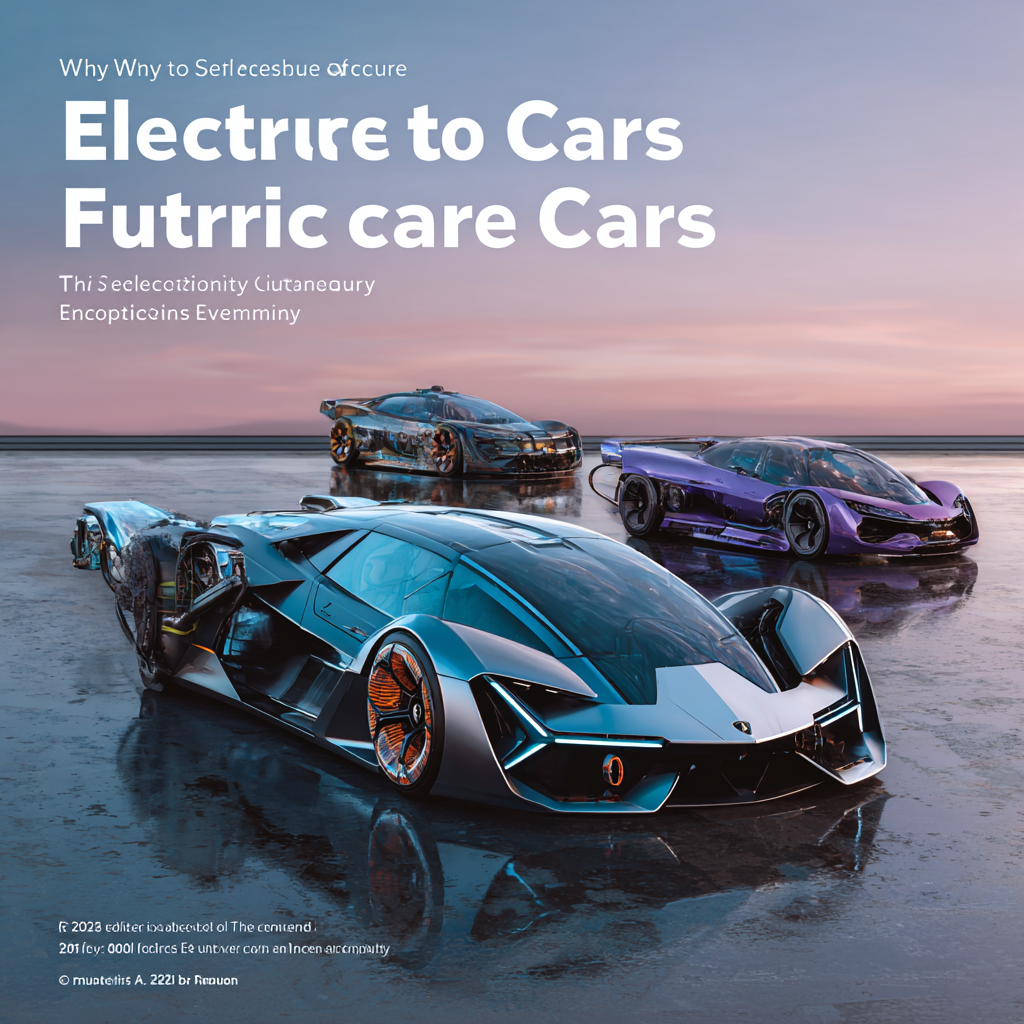
Moreover, electric cars are not only better for the planet but also offer substantial energy efficiency advantages. The U.S. Department of Energy highlights that electric vehicles convert over 60% of the electrical energy from the grid to power at the wheels, whereas conventional gasoline vehicles only convert about 20% of the energy stored in gasoline.
This transformative potential will contribute significantly to reducing greenhouse gas emissions and promoting energy independence. As we look towards 2025 and beyond, the emergence of advanced battery technologies, increased charging infrastructure, and supportive government policies all signal a promising outlook for electric vehicles, leading the charge toward a sustainable future in transportation and energy.
The Rise of Electric Vehicles: Transforming the Transportation Landscape
The rise of electric vehicles (EVs) is undoubtedly reshaping the global transportation landscape, particularly as countries like China lead the way in embracing electric trucks, fundamentally transforming energy markets worldwide. According to recent reports, the shift from diesel to electric is not just a local trend; it is resulting in significant changes in global fuel demand and reducing harmful emissions. This transformation is essential since road transport contributes over 15% of global energy-related emissions.
As EV technology continues to evolve, the automotive industry is witnessing a dramatic shift from niche markets to mainstream adoption. This transition is amplified by governmental incentives driving sales and addressing infrastructure shortcomings, such as the need for more charging stations. In regions like Telangana, the surge in EV adoption is expanding consumer interest while highlighting the urgent need for improved infrastructure.
Tips: When considering switching to an electric vehicle, research local incentives that may lower the purchase cost. Additionally, check the availability of charging stations in your area to ensure convenient access to charging. Remember, understanding market trends and consumer behavior can be crucial in making informed decisions about your transportation options.
Environmental Benefits of Electric Cars: Reducing Carbon Footprints
Electric cars represent a significant advancement in the pursuit of sustainable transportation, primarily due to their potential for reducing carbon footprints. Unlike traditional gasoline vehicles, electric vehicles (EVs) produce zero tailpipe emissions, which significantly lowers air pollution levels. By utilizing electricity – especially when sourced from renewable energy – the overall greenhouse gas emissions associated with driving can be drastically reduced. As cities grapple with increasing pollution and climate change, the transition to electric cars offers a viable solution that benefits both health and the environment.
Moreover, electric cars contribute to energy efficiency in multiple ways. They convert over 60% of electrical energy from the grid to power at the wheels, surpassing the efficiency of conventional internal combustion engine vehicles, which only convert about 20% of the energy stored in gasoline. Furthermore, as battery technology continues to improve, the energy density and longevity of EV batteries are set to enhance the overall sustainability of electric transport. This surge in energy efficiency not only helps mitigate climate change but also promotes a more sustainable energy ecosystem, making electric vehicles an essential component of the green revolution.
Environmental Benefits of Electric Cars
Economic Efficiency: The Long-Term Savings of Electric Vehicle Ownership
Electric vehicles (EVs) represent a significant leap towards economic efficiency in transportation. The initial purchase price of an electric car may be higher than that of a traditional gasoline vehicle, but the long-term savings associated with EV ownership quickly outweigh this upfront cost. Electric cars benefit from lower fuel expenses, as electricity tends to be cheaper than gasoline and many owners can charge their vehicles at home using renewable energy sources. Moreover, the decreased maintenance costs due to fewer moving parts, less wear and tear, and the absence of oil changes further contribute to the overall savings.

In addition to personal savings, electric vehicles’ potential to reduce operating costs can have broader economic implications. With fewer emissions, cities can see a decrease in pollution-related healthcare expenses, enhancing public health and reducing government spending on medical care. Governments can also benefit from a more stable energy market, as the demand for gasoline fluctuates with geopolitical tensions and market volatility. As infrastructure for charging stations expands and battery technology improves, electric vehicles will become increasingly accessible and economically attractive, solidifying their role in the future of sustainable transportation.
Advancements in Battery Technology: Powering the Future of Mobility
Recent advancements in battery technology are pivotal in shaping the future of electric vehicles (EVs) and sustainable transportation. Innovations in lithium-ion batteries, solid-state batteries, and fast-charging capabilities have significantly enhanced the range, performance, and safety of electric cars.
With greater energy density, modern batteries can store more power while occupying less space, alleviating concerns about range anxiety among potential EV buyers. Furthermore, rapid charging technologies enable drivers to recharge their vehicles in a fraction of the time compared to previous generations, making electric cars more practical for daily use.
Moreover, ongoing research into alternative battery chemistries, such as sodium-ion and lithium-sulfur batteries, promises to lower costs and environmental impact. These technologies not only aim to improve efficiency but also focus on using more sustainable materials, thereby reducing the carbon footprint associated with battery production.
As manufacturers continue to invest in these advancements, the automotive industry is poised to transition toward a more sustainable future, ultimately benefiting both consumers and the environment. The progress in battery technology is not merely an upgrade; it represents a fundamental shift in how we approach mobility and energy consumption, positioning electric cars at the forefront of the green revolution.
The Role of Renewable Energy in Electric Vehicle Sustainability
The role of renewable energy in enhancing the sustainability of electric vehicles (EVs) cannot be overstated. As the transportation sector continues to be a significant contributor to global greenhouse gas emissions, integrating renewable energy sources becomes crucial in mitigating climate change. According to the International Energy Agency, nearly 75% of the emissions generated by conventional vehicles are eliminated when EVs are powered by renewable energy. This transition not only helps reduce the carbon footprint associated with driving but also promotes cleaner air quality in urban environments.
Moreover, the synergy between electric vehicles and renewable energy can lead to greater energy efficiency. A report from the U.S. Department of Energy notes that electric motors convert over 80% of electrical energy into mechanical energy, compared to traditional internal combustion engine vehicles which convert only about 20% of the fuel's energy. When EVs are charged using solar or wind power, the overall energy efficiency drastically improves, creating a sustainable cycle where energy used in transportation is derived from clean resources. By fostering this relationship, we can pave the way for a future where sustainable transportation is not just a dream, but a reality driven by renewable energy solutions.
Why Electric Cars Are the Future of Sustainable Transportation and Energy Efficiency - The Role of Renewable Energy in Electric Vehicle Sustainability
| Dimension |
Data |
Description |
| Electric Vehicle Stocks |
3.1 million |
Estimated number of electric vehicles currently in use in the US. |
| Renewable Energy Share |
20% |
Percentage of electricity generated in the US from renewable sources as of 2023. |
| CO2 Emission Reduction |
68% |
Estimated reduction in CO2 emissions by transitioning to electric vehicles. |
| Battery Recycling Rate |
90% |
Projected recycling rate of electric vehicle batteries by 2030. |
| Charging Infrastructure Growth |
5x |
Expected increase in public charging stations by 2025. |