10 Essential Tips for Buying a 2nd Hand Electric Car
As the demand for eco-friendly vehicles rises, buying a 2nd hand electric car has become a smart choice for many. According to James Green, an electric vehicle specialist at GreenDrive, “Finding the right 2nd hand electric car can be a rewarding yet challenging experience.” His insight reminds us of the complexities involved in this market.
Purchasing a pre-owned electric vehicle requires careful consideration. Battery life, charging options, and overall vehicle condition are crucial factors. It's essential to inspect the car thoroughly to ensure you're making a sound investment. Many buyers overlook important details that could impact long-term satisfaction.
In this evolving market, gathering knowledge is key. Understanding the nuances can help identify the best deals. With the right guidance, you're poised to make an informed choice that aligns with your values. A well-researched decision can lead to both financial savings and environmental benefits.

Understanding the Benefits of Buying a Second-Hand Electric Car
Buying a second-hand electric car offers numerous advantages. These vehicles typically come at a lower price point compared to new models. According to a report by the International Energy Agency, the average second-hand electric car can save buyers 30-40% off the original price. This price difference makes electric mobility more attainable for many consumers.
In addition to cost savings, second-hand electric cars can have lower depreciation rates. Research from AutoTrader indicates that electric vehicles (EVs) hold their value better than traditional cars. Buyers can often find models that are only a few years old at a significant discount. However, it’s crucial to check the battery health. Many buyers overlook this aspect, which is vital for ensuring long-term usability.
Moreover, purchasing a second-hand electric car promotes environmental sustainability. By extending the life of these vehicles, consumers contribute to reduced carbon emissions. However, finding reliable sources and ensuring proper maintenance records can be challenging. Not all sellers provide complete information. Prospective buyers should consider these factors to make informed decisions. This careful approach will lead to a smarter purchase that is both economically and ecologically beneficial.
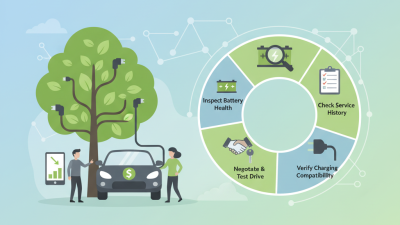
10 Essential Tips for Buying a 2nd Hand Electric Car
| Tip Number |
Tip |
Benefit |
Considerations |
| 1 |
Research the Model |
Informed decision-making |
Not all models are equal in reliability |
| 2 |
Check Battery Health |
Maximizes range and efficiency |
Some batteries may degrade faster |
| 3 |
Look for Incentives |
Financial savings |
Incentives can vary by location |
| 4 |
Inspect for Damage |
Avoiding future repair costs |
Check for both visible and hidden damages |
| 5 |
Verify Vehicle History |
Uncover any past issues |
Ensure proper maintenance was performed |
| 6 |
Test Drive |
Experiencing the vehicle firsthand |
Pay attention to performance issues |
| 7 |
Compare Prices |
Ensure fair market value |
Use multiple sources for comparison |
| 8 |
Consider Charging Options |
Convenience of daily use |
Home charging setup may be needed |
| 9 |
Ask About Warranty |
Protection against defects |
Warranties can vary widely |
| 10 |
Choose a Reputable Seller |
Increased trust in transaction |
Research seller reviews and ratings |
Key Factors to Consider When Selecting an Electric Vehicle Model
When selecting a second-hand electric vehicle, several key factors deserve your attention. Evaluate the battery health, as it significantly affects performance and range. An older battery may mean a higher replacement cost. A detailed inspection can reveal its lifespan and condition. Look for a professional report to gain insights on the battery's ability to hold a charge.
Mileage is another crucial aspect. Higher mileage may indicate a higher level of wear and tear, especially on electrical components. However, a well-maintained vehicle with considerable mileage could still be a good buy. Check service history and maintenance records to ensure regular upkeep. Don't overlook software updates; they can enhance the vehicle's functionality.
Lastly, consider the charging options available. Assess whether the car has fast charging capabilities or if you will need to rely on standard outlets. This can impact your daily convenience. Think about your typical driving patterns. Reflect on your needs and the range of the vehicle. It’s vital to choose a model that aligns with your lifestyle and driving habits.
How to Evaluate the Overall Condition of a Used Electric Car
Evaluating the overall condition of a used electric car requires a keen eye and a solid strategy. Start by checking the battery health. A report from the Battery Data Association indicates that battery life is crucial for electric vehicles. Most electric cars lose about 20% of their battery capacity in the first five years. A vehicle with high battery degradation may lead to costly replacements.
Look for signs of wear and tear in the interior and exterior. Pay attention to the tires as well; uneven wear could indicate suspension issues. Check for rust on the body and undercarriage. Any sign of rust could lead to larger problems later on.
Tip: Request a professional inspection. A qualified technician can uncover hidden issues. Verify service records as well. A well-documented maintenance history can assure potential buyers of proper care.
Consider the software updates of the vehicle as well. Many electric cars rely heavily on software, and outdated systems can impact performance. In a 2023 survey, 30% of used electric cars had outdated software. Keeping up with updates is crucial for efficiency and safety.
Always test drive the car. Listen for unusual noises and test acceleration. Don’t rush this part; your time is an investment in peace of mind.
Checking Battery Health and Range for Second-Hand Electric Cars
When buying a second-hand electric car, battery health is crucial. The battery largely defines an electric vehicle's longevity and effectiveness. Begin by asking for a battery report. This document outlines the overall health and capacity retention of the battery. A healthy battery should maintain at least 70-80% of its original capacity. If you find anything lower, it might lead to premature replacements.
Range is another key consideration. Know how far the car can travel on a full charge. A significant drop in range could indicate battery issues. Test drive the car to experience its performance first-hand. Pay attention to any fluctuations in the estimated range during your travels.
Ensure the vehicle has a reliable charging history. Look for records of consistent maintenance. Some owners might neglect charging practices, which can damage the battery over time. If the seller hesitates to provide full transparency, proceed with caution. Research and understand the common issues of the specific model. This knowledge equips you to make a more informed decision. An informed buyer avoids future regrets.
Understanding Incentives and Financing Options for Used Electric Vehicles
Purchasing a second-hand electric vehicle (EV) can be a savvy financial choice. These cars often come with significant savings compared to new models. However, understanding incentives and financing options is crucial. According to a 2023 report from the International Energy Agency, used electric cars have lower depreciation rates, making them more affordable in the long run.
Many regions offer incentives for buying used EVs. For instance, tax credits can go up to $7,500, depending on your location. Additionally, some states provide rebates or grants. These financial benefits can significantly reduce the purchase price. However, accessing these incentives requires understanding local laws. Misunderstanding these can lead to missed opportunities.
Financing options for used EVs vary widely. Some lenders specialize in green financing. They offer attractive rates for environmentally friendly vehicles. Yet, securing a loan may present challenges. Used EVs sometimes have limited warranties and higher maintenance costs. It is vital to assess the vehicle's history thoroughly. Regular checks can prevent unforeseen expenses.