Top 10 Types of Electric Cars for Global Buyers?
Electric Cars are no longer a niche choice for early adopters. They are becoming practical tools for city commutes, family travel, business fleets, and long-distance driving. The International Energy Agency’s Global EV Outlook 2025 reported more than 17 million electric car sales worldwide in 2024. It also projected global sales above 20 million in 2025. That scale is changing vehicle design, charging habits, and buyer expectations.
Fatih Birol, Executive Director of the IEA, stated, “The electric car revolution is unstoppable.” His observation reflects a strong market direction, but it does not mean every model suits every driver. Battery size, charging access, climate, road quality, purchase price, and repair support still matter. A compact hatchback may feel perfect on a narrow European street. A three-row SUV may work better for a family carrying luggage and children. A pickup needs different answers.
This guide introduces the top 10 types of Electric Cars for global buyers. It compares their typical uses, strengths, limitations, and ownership realities. The categories include city cars, hatchbacks, sedans, crossovers, SUVs, luxury models, sports cars, pickups, vans, and off-road vehicles. Rankings can be imperfect. Market availability changes quickly. A popular model in China may be unavailable in Africa or expensive in Latin America. Buyers should verify local incentives, charging standards, warranty terms, and battery coverage before purchasing. The best electric car is not always the newest one. It is the vehicle that fits a real route, a real budget, and a reliable charging routine.
Electric Car Basics: How the Main Vehicle Types Differ
Electric cars are not one single technology.
The main types differ in energy storage, driving behavior, and charging needs.
The International Energy Agency reported nearly 14 million electric car sales worldwide in 2023, representing about 18% of new-car sales.
Battery electric vehicles use only a large rechargeable battery.
They produce no tailpipe emissions and usually offer quiet driving, strong acceleration, and home-charging convenience. A full recharge can take overnight on a household connection, while rapid charging may take 20 to 40 minutes. Battery size matters, but so do temperature, speed, and heating use. Real-world efficiency is messier.
Plug-in hybrids combine a battery, electric motor, and combustion engine.
Their electric range often suits short commutes, while the engine supports longer trips. However, drivers must charge them regularly to achieve lower fuel use. The ICCT’s real-world studies have found that some plug-in hybrids consume considerably more fuel than official test figures suggest. That distinction is often missed.
Conventional hybrids recharge through braking and engine operation, requiring no plug.
Mild hybrids provide smaller electrical assistance and cannot usually drive far on electricity alone.
Fuel-cell electric vehicles use hydrogen to generate electricity onboard, producing water vapor at the tailpipe.
They can refuel quickly, but hydrogen stations remain limited in many regions.
The IEA notes that charging infrastructure is expanding rapidly, yet access still varies sharply between urban and rural areas.
Buyers should compare daily distance, parking access, climate, electricity prices, and local infrastructure—not only advertised range.
Oversimplifying these categories can lead to an expensive mismatch.
The Top 10 Electric Car Types Explained by Powertrain Design
Top 10 Types of Electric Cars for Global Buyers?
The Top 10 Electric Car Types Explained by Powertrain Design
Electric cars differ mainly in how they create, store, and deliver power. A battery electric vehicle uses only a rechargeable battery and electric motor. Single-motor models usually drive the front or rear wheels, reducing weight and cost. Dual-motor designs add all-wheel drive and stronger traction on wet roads. Three- or four-motor systems offer precise torque control, although their extra hardware can increase service complexity. In-wheel motor vehicles place motors inside the wheels, freeing cabin space but adding unsprung weight. These are five distinct battery-electric layouts.
Hybrid electric vehicles combine an engine with a motor, while mild hybrids provide smaller electric assistance during acceleration. Plug-in hybrids use larger batteries and can cover daily trips electrically before the engine starts. Range-extended electric vehicles drive the wheels electrically, with a small engine producing electricity when the battery is low. Fuel-cell electric vehicles generate electricity from hydrogen and emit water at the tailpipe. Refueling speed can be useful, but public hydrogen access remains limited in many regions. The categories overlap, so a neat top-ten ranking feels imperfect. Real-world choice depends on climate, charging access, distance, payload, and repair expertise. A cold morning can expose weaknesses that a showroom display hides.
Range, Charging, Performance, and Cost Across Electric Car Types
Electric cars now cover ten practical types: city hatchbacks, sedans, crossovers, SUVs, wagons, sports cars, luxury models, pickups, vans, and off-road vehicles. Their differences matter most in daily use. A small hatchback may travel 250 kilometers per charge, while a large SUV can offer more than 500 kilometers. However, weight, weather, speed, and heating can reduce those figures noticeably.
Charging access often matters more than maximum range. A home wall unit may add roughly 40 to 80 kilometers overnight, depending on its power rating. Public fast chargers can restore much of a battery within 20 to 40 minutes. They may cost more than home electricity. Drivers without private parking should check nearby chargers before choosing a large battery. It is an easy detail to overlook.
Performance also changes by vehicle type. Light sedans usually feel responsive and efficient, while pickups consume more energy under load. Sports models accelerate sharply, but their tires and insurance can raise ownership costs. Purchase prices vary widely, and battery size is not the only expense. Maintenance is often simpler, yet repairs outside warranty can be costly. My comparison would remain imperfect without local electricity rates, climate data, and charging reliability. Real roads expose assumptions quickly.
How Regional Regulations and Infrastructure Shape Global Choices
Top 10 Types of Electric Cars for Global Buyers
Regional regulations and charging infrastructure often matter more than the vehicle’s advertised range. Battery electric cars suit cities with dense fast-charging networks and reliable home electricity. Plug-in hybrids remain practical where public chargers are scarce, but local emissions rules may limit their access to urban zones. Conventional hybrids need no charging cable, although some regions classify them differently for taxes and parking privileges.
Other choices include range-extended electric cars, hydrogen fuel-cell cars, compact electric city cars, electric SUVs, electric vans, electric pickups, and performance-focused models. Each type responds to a different transport pattern. A small city car can manage narrow streets and short commutes. An electric van may need depot charging, stronger grid connections, and predictable delivery routes. Hydrogen vehicles require specialized stations, which remain unevenly distributed across countries.
Regulation changes the calculation. Import duties, battery safety rules, subsidy limits, and charging-plug standards can affect ownership costs. Some governments require advanced driver-assistance features or strict battery recycling records. Apartment residents may face another obstacle: no private parking socket. Public charging prices can also vary sharply by location and time.
Check real charging access, not brochure estimates. A 400-kilometre range means little when winter temperatures reduce efficiency or a rural station is occupied. My own ranking would change after one week of local driving. That is the uncomfortable part. Buyers should compare electricity reliability, repair expertise, tire availability, and resale rules before choosing among the ten types.
Top 10 Types of Electric Cars for Global Buyers
Typical driving-range bands show how vehicle design, local regulations, charging access, and road conditions influence electric-car choices across global markets.
Range values are broad real-world market bands in kilometres and vary with temperature, speed, battery size, vehicle mass, and testing cycle. Battery-electric cars generally benefit most from dense fast-charging networks, while plug-in hybrids and fuel-cell vehicles can be more practical where charging infrastructure is limited or hydrogen supply is available. Reference framework: International Energy Agency Global EV Outlook, U.S. Department of Energy Alternative Fuels Data Center, and European Alternative Fuels Observatory.
Choosing the Right Electric Car Type for Different Driving Needs
Top 10 Types of Electric Cars for Global Buyers?
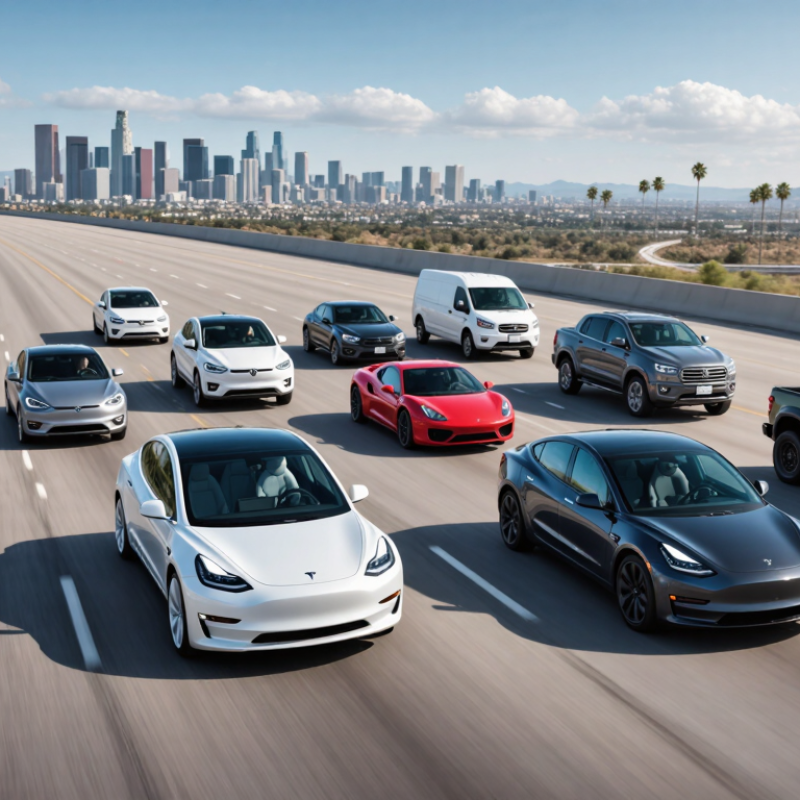
Choosing an electric car starts with daily use, not impressive specifications. City EVs suit narrow streets, short commutes, and simple parking. Hatchbacks offer flexible cargo space for families. Sedans usually provide smoother highway handling and better aerodynamic efficiency. Crossovers add easier entry and useful ground clearance. SUVs work well for larger households, but their weight can reduce efficiency. Electric wagons balance passenger comfort with practical luggage space. Performance cars deliver rapid acceleration, although frequent high-speed driving can drain the battery quickly. Luxury models focus on quiet cabins and advanced assistance systems. Electric pickups help with work tasks, while electric vans support deliveries or large families. Plug-in hybrids remain useful where charging access is uncertain, but they still require fuel and maintenance.
Tips: Check your home charging options, parking rules, winter temperatures, and local repair support. Compare real-world range, not only laboratory figures. A smaller battery may be enough for urban driving and can reduce purchase weight. For long routes, confirm fast-charging availability before choosing a large vehicle. Also inspect rear-seat space and cargo height in person; photos often hide awkward angles.
I have found that buyers sometimes choose SUVs for status, then struggle with tight parking and higher energy use. I once underestimated charging time during a cold trip. That mistake changed my view of “sufficient range.” Leave a practical buffer for traffic, weather, and aging batteries. The best type is not always the most advanced one. It is the vehicle that fits your routine consistently.