Top Electric Vehicles to Consider for Your Next Purchase?
As the demand for sustainable transportation grows, consumers are increasingly seeking options that balance efficiency and innovation. The automotive industry is evolving rapidly, with manufacturers rolling out designs that not only contribute to environmental goals but also enhance driving experiences. This shift toward electric vehicles (EVs) reflects a broader commitment to reducing carbon footprints.
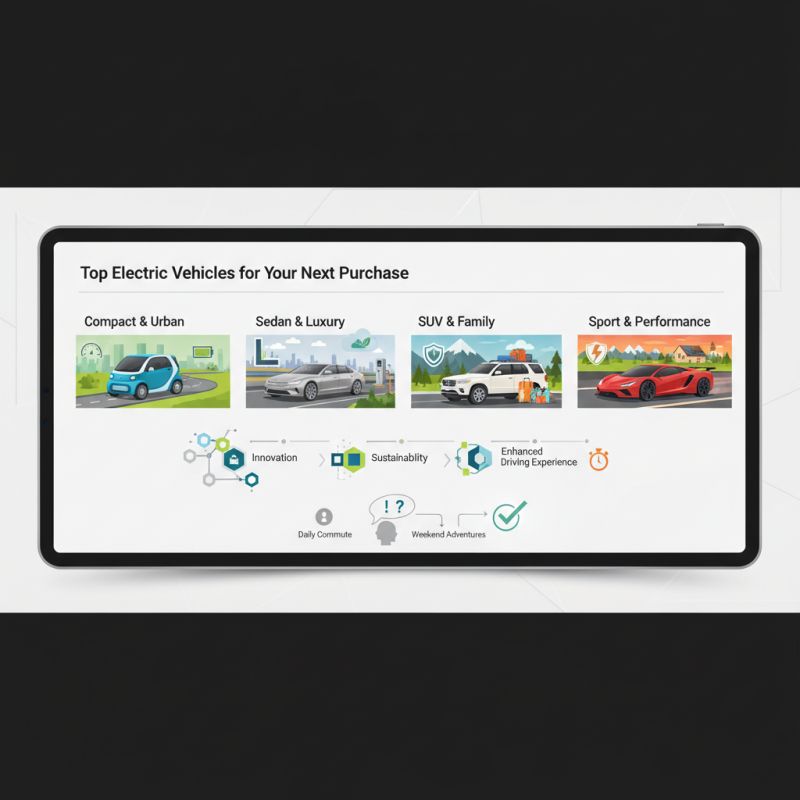
When exploring alternatives, potential buyers often wonder which models stand out. The market is filled with choices, making it challenging to decide. Some vehicles promise impressive range and speed, while others focus on technology and comfort. It's essential to consider personal needs, from daily commutes to weekend adventures, as you weigh your options.
In this guide, we highlight the top EV cars that buyers should consider. Each model offers unique features and capabilities catering to various lifestyles. By understanding these nuances, you can make a more informed decision. Dive into this list and discover how these top EV cars can change your driving experience.
Overview of Electric Vehicles in Today's Market
The electric vehicle (EV) landscape is evolving rapidly. In 2023, the global EV market reached approximately 26 million units sold, a significant increase from 10 million in 2020. This surge reflects consumer interest and government support for sustainable transportation. Many people see EVs as an eco-friendly alternative. However, challenges remain, such as battery range and charging infrastructure.
Tips: Always check the availability of charging stations in your area. A range of 250 miles may seem sufficient, but daily usage plays a crucial role. Consider your lifestyle and travel habits when choosing an EV.
Despite these advancements, potential buyers must remain cautious. Some studies report that battery degradation can reduce performance over time. Additionally, varying regional incentives can complicate purchasing decisions. It's wise to research local regulations and available rebates as they fluctuate widely.
Tips: Keep an eye on the warranty conditions provided by manufacturers. A good warranty can save money on future repairs or battery replacements. Being informed can lead to a more satisfying purchase experience.
Top Electric Vehicles Sales Overview (2023)
Key Factors to Consider When Choosing an Electric Vehicle
When considering an electric vehicle (EV), several key factors come into play. Range anxiety remains a significant concern for consumers. According to recent industry reports, the average range of new electric vehicles is around 263 miles per charge. Nonetheless, some models still fall short of this average, sometimes providing only 150 miles. It's essential to evaluate how far you typically drive daily and choose a model that fits those needs.
Charging infrastructure is another critical component. A report by the International Energy Agency notes that the number of public charging points has increased, yet availability can vary greatly by region. Consumers often find that urban areas have better access compared to rural settings. This discrepancy can complicate long trips, potentially leading to inconvenience and frustration.
Moreover, battery life and warranty are vital considerations. EV batteries usually depreciate over time, losing capacity. Most manufacturers offer warranties of 8 years or 100,000 miles, but the long-term performance of the battery can be unpredictable. Reflecting on these factors can lead to a more informed and satisfactory purchase decision.
Top Electric Vehicles to Consider for Your Next Purchase
| Model |
Range (miles) |
Charging Time (Level 2) |
Seating Capacity |
Starting Price ($) |
| Electric SUV A |
300 |
7 hours |
5 |
45,000 |
| Electric Sedan B |
350 |
8 hours |
5 |
50,000 |
| Electric Compact C |
220 |
6 hours |
4 |
30,000 |
| Electric SUV D |
290 |
7.5 hours |
5 |
55,000 |
| Electric Van E |
260 |
9 hours |
7 |
60,000 |
Top Electric Vehicle Models for 2023: Features and Benefits
The electric vehicle (EV) market continues to grow rapidly in 2023. With global sales expected to reach over over 10 million units, consumers face many options. Key factors influencing choices include range, charging speed, and innovative technology. Many new models feature impressive advancements, making them appealing.
For instance, numerous 2023 models provide over 300 miles of range on a single charge. This range alleviates range anxiety, a common concern among potential EV buyers. Charging times have also improved, with several models supporting fast-charging capabilities, allowing drivers to recharge up to 80% in just 30 minutes. Moreover, advanced safety features are becoming standard, ensuring enhanced protection for all passengers.
However, potential buyers should consider issues like the availability of charging infrastructure. In some regions, public charging stations remain scarce. Additionally, the upfront costs of these vehicles can be daunting, even with federal rebates. Navigating these challenges requires careful thought. Ultimately, the decision to invest in an EV needs to align with personal driving habits and local availability.
Comparative Analysis of Electric Vehicle Performance and Range
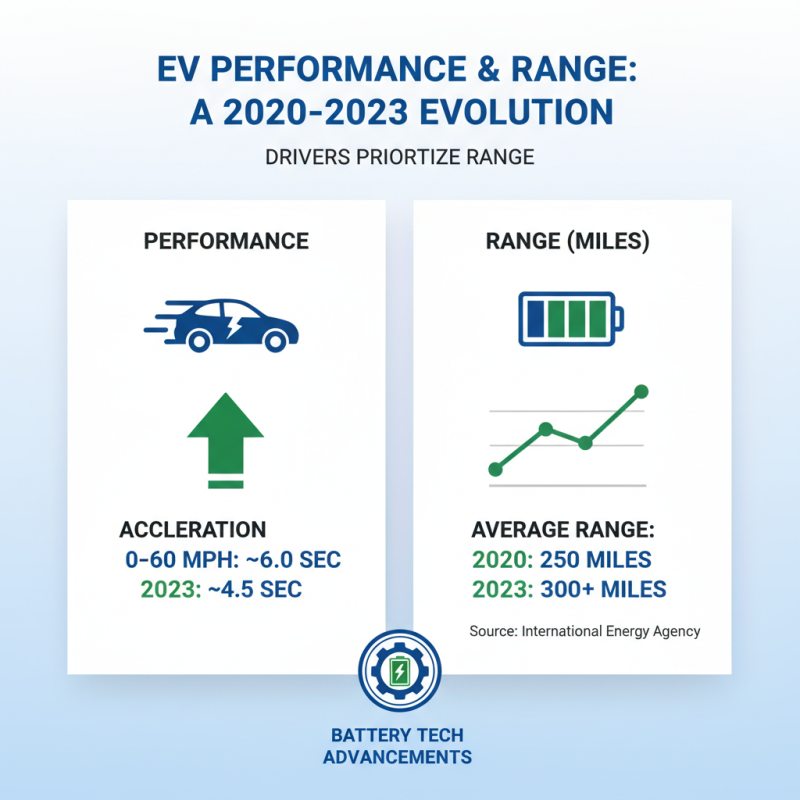
When considering electric vehicles (EVs), performance and range are crucial. Recent reports indicate that drivers prioritize range as a key factor. According to a study by the International Energy Agency, the average range of new electric vehicles has increased significantly. In 2020, the average range was around 250 miles. By 2023, that average jumped to 300 miles or more, thanks to advances in battery technology.
However, the real-world range can vary drastically based on driving conditions and climate. Cold weather can reduce battery efficiency. A report from the U.S. Department of Energy suggests that EV ranges can drop by 20-40% in low temperatures. This variability can lead to range anxiety among potential buyers. Thus, potential EV owners must consider their driving habits and local weather patterns.
Performance metrics also deserve attention. Acceleration, handling, and braking can differ across models. According to statistics from the Automotive Research Center, some newer models can accelerate from 0 to 60 mph in under three seconds. Yet, this performance often comes at the cost of range. Balancing performance and range is essential. Buyers should analyze how they prioritize their driving needs when selecting an EV.
Future Trends in Electric Vehicle Technology and Development
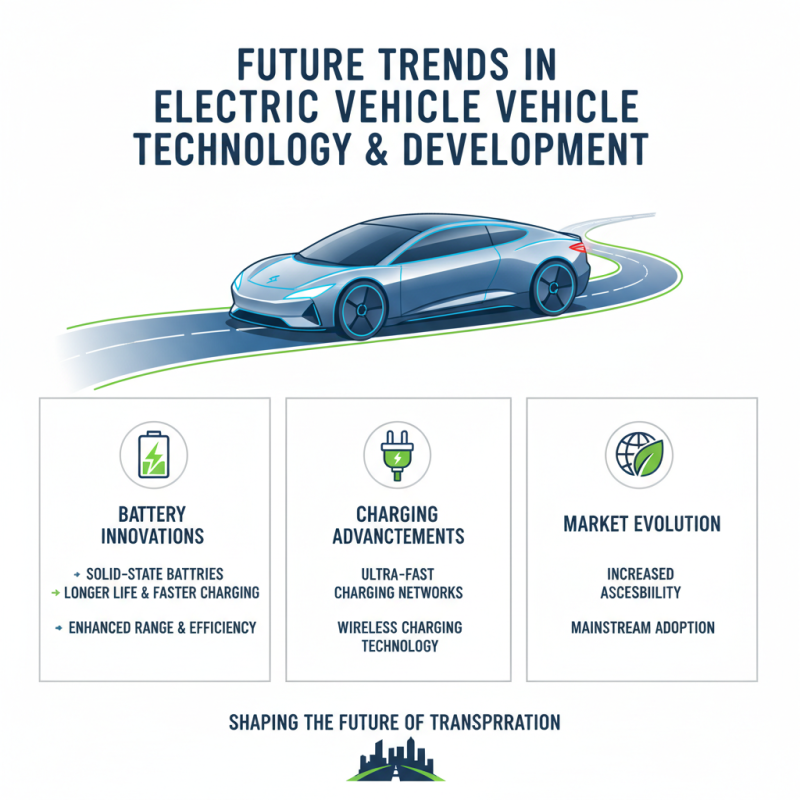
The electric vehicle (EV) market continues to evolve rapidly, shaping the future of transportation. Innovations in battery technology are crucial for enhancing driving range and charging efficiency. Solid-state batteries, for instance, promise longer life and faster charging times. This points to a future where EVs become more accessible for everyday use.
Tips: Keep an eye on battery advancements. They play a key role in overall vehicle performance. Enhanced range can make longer trips possible.
As the industry grows, manufacturers are focusing on sustainability. Recycling old batteries is becoming a priority to reduce waste. New materials that are eco-friendly are also emerging. These efforts contribute to making EVs greener and more efficient.
Tips: Before purchasing, research the sustainability practices of manufacturers. Understanding their commitment can influence your choice positively.
Despite the rapid growth, challenges remain. Charging infrastructure needs significant improvements. Relying solely on public charging stations may feel limiting. Education about EV maintenance is also essential for buyers.
Tips: Consider the availability of charging options in your area. Investigate local policies on EVs. This information can significantly affect your experience.