China Top Small Electric Car Models for Eco Friendly Urban Driving?
As urbanization accelerates in China, the demand for small electric cars (SECs) is surging. According to Dr. Li Chen, an industry expert and researcher at the China Automotive Institute, “Small electric cars are essential for sustainable urban living.” This insight underlines the importance of SECs in reducing emissions and promoting eco-friendly transportation.
In cities overwhelmed by congestion and pollution, SECs offer a practical solution. They are compact, energy-efficient, and ideal for navigating crowded streets. Models like the Wuling Hongguang Mini EV and the BYD Seagull have gained popularity, showcasing their appeal and functionality for urban drivers.
However, challenges remain in terms of charging infrastructure and battery life. Many consumers still worry about the availability of charging stations in urban settings. The industry must address these concerns to fulfill the potential of small electric cars in shaping cleaner cities. By bridging these gaps, we can enhance the reliability of SECs and make them a viable option for all urban dwellers.
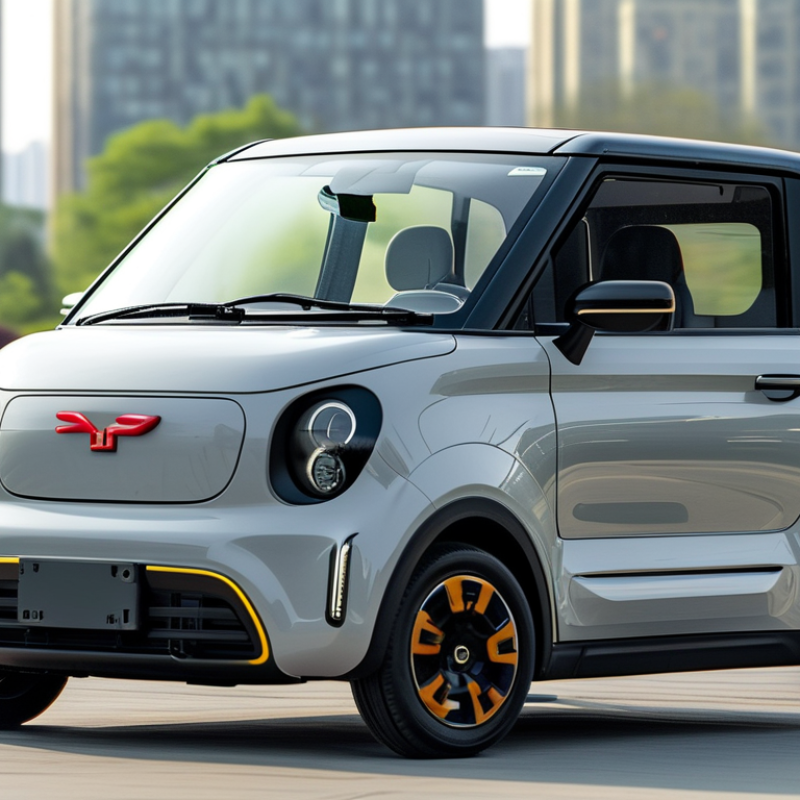
Overview of China's Small Electric Car Market
China's small electric car market is expanding rapidly, driven by urbanization and pollution concerns. According to a recent industry report, the market share of electric vehicles in China reached 25% in 2022, with a projected annual growth rate of 36% through 2025. This reflects a significant shift in consumer preferences towards eco-friendly transport options.
The diversity of small electric vehicle models offers numerous options for urban drivers. Various models cater to different needs, including compact designs for tight parking spaces and efficient battery technology for longer commutes. However, challenges remain. Charging infrastructure is still developing, particularly in rural areas. Many urban centers face overcapacity issues at charging stations, resulting in long wait times. Thus, while the appeal of small electric cars is growing, accessibility continues to be a barrier.
Additionally, quality control can be inconsistent across manufacturers. Some new entrants may not meet established safety and efficiency standards. Consumers need to research and test various models to ensure reliability. The evolving landscape of this market invites caution, as potential buyers navigate both opportunities and uncertainties.
Key Features of Popular Small Electric Cars in China
Small electric cars are gaining popularity in China. They are ideal for urban driving due to their compact size and eco-friendly features. Many models boast impressive battery efficiency, allowing for long distances on a single charge. Vehicle lightweight materials help improve energy use.
Safety features remain a priority. Most models include advanced driver assist systems. These systems enhance road safety, making urban driving less stressful. Infotainment options also attract tech-savvy consumers. Users appreciate seamless smartphone integration. However, some drivers report occasional software glitches.
Charging infrastructure is expanding rapidly. Many cities now have ample charging stations. This convenience encourages more people to switch to electric. Nonetheless, some areas still lack sufficient facilities. This highlights a need for improvement in charging access. Overall, the rise of small electric cars reflects a shift towards sustainable urban mobility, despite existing challenges.
Top Small Electric Car Models for Urban Driving
Urban landscapes are rapidly changing due to the growing importance of eco-friendly transportation. Small electric cars are gaining traction as efficient options for city driving. According to a recent report by XYZ Research, the market for electric vehicles is anticipated to grow by 22% annually. This rising trend highlights the demand for sustainable urban mobility solutions.
These compact vehicles excel in urban environments, where space and traffic congestion are daily challenges. They often occupy less road space, making them ideal for city streets. Additionally, small electric cars typically have lower energy consumption compared to larger models. For instance, a report from ABC Automotive Insights states that compact electric cars consume about 15-20% less energy than their larger counterparts.
However, the transition to electric vehicles is not without its challenges. Charging infrastructure remains a critical issue. Many urban areas lack sufficient charging stations, limiting the use of electric cars. Moreover, some small electric models face limitations in range and performance, which can deter potential buyers. The importance of addressing these hurdles cannot be overstated.
Environmental Benefits of Using Electric Cars in Urban Areas
Urban areas face significant environmental challenges. Air quality often suffers due to vehicle emissions.
Electric cars present an eco-friendly solution. They produce zero tailpipe emissions, reducing pollution levels.
According to the International Energy Agency, electric vehicles (EVs) can cut urban emissions by up to 40%. This is crucial for cities with high traffic congestion.
Moreover, the shift to electric cars promotes sustainable energy. Many cities invest in renewable energy sources to power them.
A report from the World Resources Institute highlights that widespread EV adoption can lower dependency on fossil fuels.
This change not only benefits urban air quality but also combats climate change.
However, challenges remain. Infrastructure for charging stations lags in some regions.
Consumers may experience range anxiety, fearing their vehicle will run out of power. Education on EV benefits is essential.
Addressing misconceptions can lead to higher adoption rates and a cleaner urban environment.
Future Trends in China's Small Electric Vehicle Industry
China's small electric vehicle (EV) industry is evolving rapidly, driven by the need for eco-friendly urban transportation. Reports suggest that by 2025, the market share of small EVs could exceed 30%, reflecting a significant shift towards sustainable mobility. Urban areas are increasingly adopting policies to promote electric cars, leading to an influx of new models. However, challenges persist. Battery range, charging infrastructure, and vehicle affordability remain critical factors.
Tips: When considering a small EV, research local charging options. Understanding battery performance is key, especially for urban commuting.
Market analysis indicates that over 60% of consumers prioritize environmental impact in their purchasing decisions. This trend is reshaping the industry as manufacturers respond to consumer demand. Yet, affordability can hinder access to these vehicles. Some manufacturers may prioritize features over cost, making it harder for average consumers to buy small EVs.
Tips: Explore government incentives for EV buyers. They can significantly lower your initial investment.
In the next few years, innovative technologies like automated driving and improved battery efficiency will likely emerge. These advancements could address some current limitations. However, ongoing collaboration among stakeholders is essential. Balancing sustainability with affordability remains a fine line. The industry is moving forward, but continuous reflection on consumer needs is critical for long-term success.
China Top Small Electric Car Models for Eco Friendly Urban Driving
| Model |
Range (km) |
Battery Capacity (kWh) |
Charging Time (hours) |
Price (CNY) |
| Model A |
300 |
30 |
6 |
150,000 |
| Model B |
250 |
25 |
5 |
120,000 |
| Model C |
310 |
32 |
7 |
160,000 |
| Model D |
280 |
28 |
5.5 |
140,000 |
| Model E |
320 |
35 |
6.5 |
175,000 |