What is the Value of 2nd Hand Electric Cars and Their Impact on the Environment
The growing popularity of electric vehicles (EVs) is not only transforming the automotive industry but also reshaping consumer perceptions of sustainable transportation. As of 2023, the global electric vehicle market is projected to reach approximately $1.1 trillion by 2026, driven largely by advancements in battery technology and an increased emphasis on environmental sustainability. In this context, the value of 2nd hand electric cars has emerged as a significant topic of discussion among industry experts and consumers alike. According to a report by the International Energy Agency (IEA), 2nd hand electric cars are expected to comprise around 35% of the total EV market shares by 2025, indicating a shift in consumer behavior toward used electric models.

One of the most compelling arguments for purchasing 2nd hand electric cars lies in their environmental impact. A recent study by the Global Environmental Facility highlights that the emissions associated with the production of new EVs can take several years to offset, whereas 2nd hand electric cars offer an immediate solution to reducing both carbon footprints and waste. The transition to 2nd hand electric vehicles not only makes EV technology accessible to a broader audience but also enhances recycling efforts within the automotive sector. As new policies and incentives continue to emerge, understanding the role and value of the 2nd hand electric car market is crucial, not only for consumers making informed choices but also for policymakers aiming to promote a more sustainable future.
The Growing Demand for Second-Hand Electric Cars in 2025
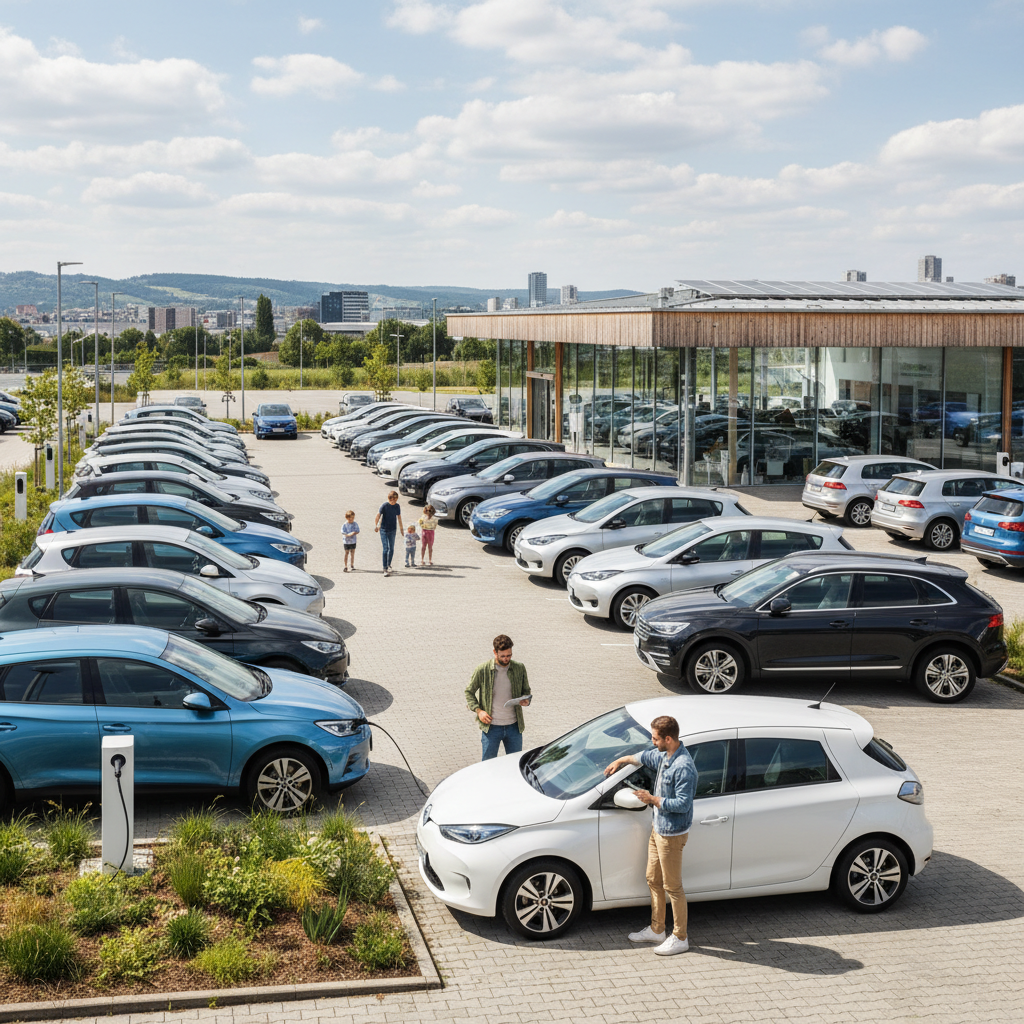
The second-hand electric car market is set to experience significant growth, with a valuation projected to rise from $115.93 billion in 2025 to $187.943 billion by 2032, reflecting a compound annual growth rate of 7.1%. This surge is driven by the increasing demand for more affordable electric vehicles as consumers look for ways to counteract rising costs and navigate the evolving automotive landscape. As the market adapts to changing regulations and consumer preferences, second-hand electric vehicles are becoming a viable option for environmentally conscious buyers.
In the context of the United States, the recent termination of federal tax credits for new electric car purchases has spurred interest in the second-hand segment. Consumers are keen to take advantage of tax incentives available for used electric vehicles, even as the uptake of new models slows. Market dynamics indicate a shift towards more sustainable choices, with the second-hand electric vehicle sector poised to capitalize on this trend. By 2032, the second-hand electric car market is anticipated to achieve a remarkable growth rate of 26.6%, demonstrating the potential impact of economic and environmental motivations on consumer behavior.
Economic Benefits of Purchasing Used Electric Vehicles
Purchasing a second-hand electric vehicle (EV) presents significant economic benefits for consumers and the broader community. The initial cost of new electric cars can be prohibitive, but the used market provides a viable alternative for those looking to transition to greener transportation without breaking the bank. By choosing a used EV, buyers often save thousands of dollars compared to the price of a new model. Additionally, the depreciation rate of electric vehicles tends to be steep, meaning that a well-chosen used EV can offer excellent value and performance for money.
Furthermore, the economic advantages extend beyond individual savings. Increased demand for second-hand electric vehicles can stimulate the market, encouraging more manufacturers to produce and innovate in the EV sector. This surge in demand can lead to job creation within the automotive and energy industries, as well as supporting local economies. Moreover, as more used EVs hit the roads, the overall carbon footprint of transportation can be reduced, contributing to environmental sustainability. Ultimately, the movement toward second-hand electric cars not only fosters personal financial benefits but also plays a critical role in promoting an eco-friendlier economy.
Environmental Impact of Second-Hand Electric Cars on Sustainability
The environmental impact of second-hand electric cars is a crucial consideration in the broader context of sustainability. According to a report by the International Council on Clean Transportation (ICCT), the production of electric vehicles (EVs) generates a significant amount of emissions, largely due to battery manufacturing. However, using second-hand electric cars can considerably amortize this initial carbon footprint. A study found that extending the life of these vehicles by just one year could reduce the lifecycle emissions by 20%, making second-hand options an appealing choice for eco-conscious consumers.
Moreover, the shift to second-hand electric cars supports circular economy principles, optimizing resource use and reducing waste. Keeping these vehicles on the road longer decreases the demand for new car production, which is resource-intensive, requiring materials like lithium and cobalt, often sourced from environmentally sensitive regions. Transitioning to a more sustainable car ownership model can also enhance overall energy efficiency, as the average carbon footprint of a used EV is estimated to be 50% lower than that of new combustion engine vehicles, according to the UK government's carbon calculator.
**Tip:** When considering a second-hand electric car, look for models with a robust battery health report to ensure longevity and performance.
**Tip:** Research local government incentives for electric vehicles; many regions offer tax breaks or rebates for purchasing used EVs, making them an economical and environmentally friendly choice.
What is the Value of 2nd Hand Electric Cars and Their Impact on the Environment
| Metric |
Value |
| Average Price of 2nd Hand Electric Cars |
$30,000 |
| Estimated CO2 Emission Reduction Compared to Gas Cars |
70% |
| Average Battery Life (Years) |
8 |
| Percentage of 2nd Hand Electric Cars in the Market |
15% |
| Average Annual Maintenance Cost |
$400 |
| Percentage of Recyclable Materials in Batteries |
95% |
| Potential Energy Savings Over 10 Years |
$1,500 |
| Impact on Urban Air Quality Improvement |
Significant |
Top 10 Second-Hand Electric Cars to Watch for in 2025
As the second-hand electric vehicle (EV) market continues to grow, several models are emerging as frontrunners to watch in 2025. According to a recent report by JATO Dynamics, the increasing accessibility of used EVs can lead to a significant reduction in the carbon footprint associated with traditional gasoline cars. As electric vehicles offer an average 70% lower lifetime CO2 emissions compared to their petrol counterparts, investing in second-hand electric cars not only benefits consumers financially but also supports a more sustainable future.
Among the top second-hand electric cars to monitor in 2025, the Tesla Model 3 remains a prominent choice due to its advanced technology and robust performance. Industry analysis indicates that the Model 3 has retained over 80% of its original value after three years, making it an appealing option for budget-conscious buyers. Additionally, the Nissan Leaf, with its reputation for affordability and practicality, is projected to continue gaining traction, particularly in urban environments where zero-emissions vehicles are in high demand. Reports from the International Energy Agency highlight that the proliferation of second-hand electric cars, like the BMW i3 and Chevrolet Bolt, can significantly contribute to the global goal of reducing greenhouse gas emissions by facilitating greater accessibility and adoption of clean transportation.
Challenges and Considerations in the Used Electric Car Market
The used electric car market presents several challenges and considerations that must be addressed to maximize its potential benefits. One of the primary concerns is the availability and condition of batteries, which are crucial to an electric vehicle's performance. Many consumers are apprehensive about purchasing second-hand electric cars due to uncertainties surrounding battery life and efficiency. Ensuring accurate assessments of battery health and providing transparent vehicle history are essential steps for sellers to build buyer confidence.
Another significant challenge is the fluctuating resale value of electric cars. As new models enter the market with advanced technologies and longer ranges, older models may depreciate faster than traditional gasoline vehicles. This can discourage potential buyers who may view it as an unwise investment. Educating consumers on the long-term savings associated with electric vehicles, alongside the environmental benefits, can help improve perceptions and foster a more robust second-hand market. Ultimately, addressing these challenges can lead to greater adoption of used electric cars, thereby amplifying their positive environmental impact.
Value of 2nd Hand Electric Cars and Their Environmental Impact
This chart illustrates the average price of second-hand electric cars over the years from 2019 to 2023, as well as their associated CO2 emissions reduction compared to traditional gasoline vehicles. The decreasing price trend indicates increasing affordability of used electric cars, while the rising emissions reduction reflects their growing environmental benefits.