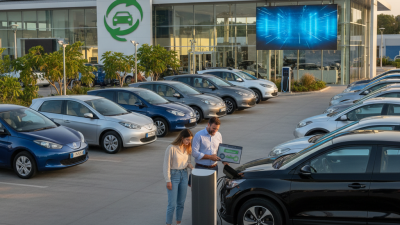
Why are second-hand electric cars so cheap? The price tag can look surprisingly low beside a comparable petrol car. Yet depreciation is only part of the story. Battery technology improves quickly, new-car prices can shift, and buyers may worry about battery condition or future resale value. Those concerns can push used prices down, even when a car still suits everyday travel.
EV analyst James Morris captures the buyer’s dilemma: “A lower price matters, but battery condition and charging needs determine whether the deal truly works.” A used EV parked beside a home charger may feel convenient; the same car can be less practical for someone relying on distant public chargers. Range figures also deserve context. Cold weather, motorway speeds, and cabin heating can reduce real-world distance. Small details matter.
That does not make every low-priced car a bargain. Check the battery-health report, service records, remaining warranty, and charging compatibility. Compare the asking price with similar models and inspect the car in person. If possible, arrange an independent assessment. Be cautious with unusually low prices. Sometimes the discount reflects age, mileage, or limited range—not a hidden fault. Sometimes the listing leaves important questions unanswered. “Cheap” is a starting point, not a verdict. Understanding why Electric Cars Second Hand cost less helps buyers separate ordinary depreciation from risks that need closer inspection. The numbers help, but they cannot replace a careful test drive and a little healthy doubt.
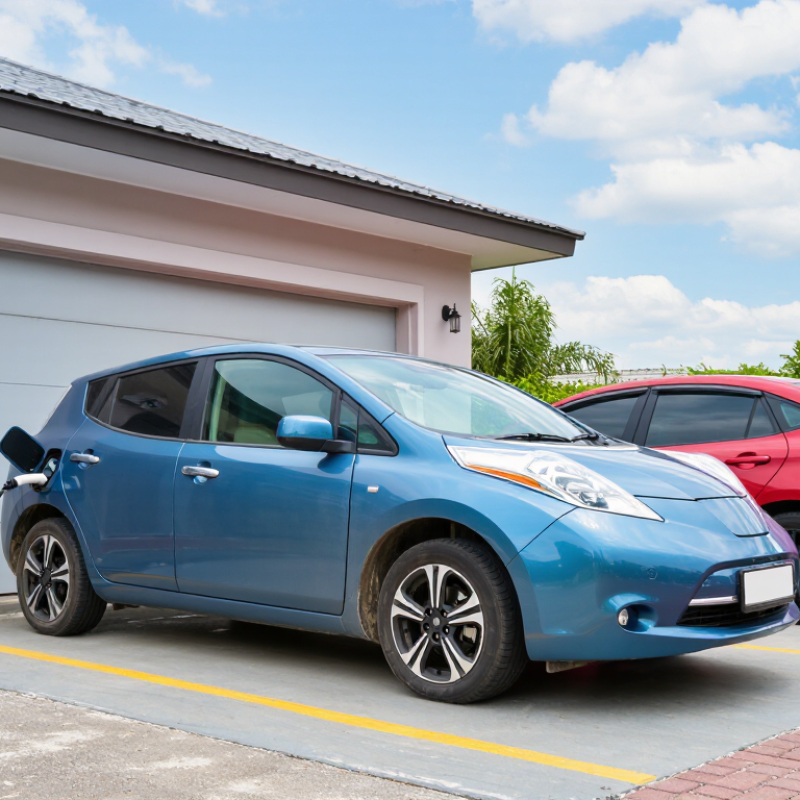
Second-hand electric cars can look unusually cheap because depreciation has been steeper than the broader market. In its 2024 depreciation analysis, iSeeCars found that electric vehicles lost 49.1% of their value over five years, compared with 38.8% for all vehicle types. That is a 10.3 percentage-point gap.
On a hypothetical $40,000 purchase, those averages imply roughly $20,360 remaining for an EV, versus $24,480 for the overall market. This is an illustration, not a price forecast for any specific car.
Why the difference? Newer models may offer longer driving range or faster charging, making older specifications feel dated. Buyers also weigh battery condition, winter range, charging access, and the cost of a repair they may never need. That uncertainty can push offers down. So can steep discounts on new vehicles, which reset shoppers’ expectations for used prices.
The numbers need context. A five-year average cannot tell you whether one car’s battery is healthy or whether its local resale market is strong. A low listing price is a starting point, not proof of value. Check the battery-health information, service records, mileage, and comparable local listings before deciding. Often, those details matter more than the headline discount.
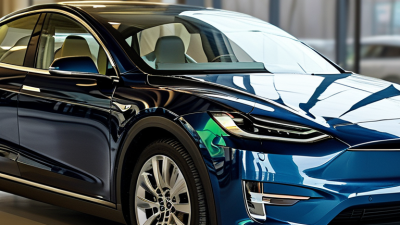
The Department of Energy reports that average electric-vehicle range in the United States rose from 73 miles in 2011 to 270 miles in 2023. That shift helps explain why some used electric cars look unusually cheap. A model with modest original range can feel limiting beside today’s longer-range options, even if it still handles short commutes. The number is an average, not a promise about any individual vehicle.
Battery condition matters more than age alone. Geotab’s 2024 battery-health analysis found average capacity loss of about 1.8% per year across its monitored electric vehicles, though use and climate affect results. Buyers should check a vehicle’s battery-health report, remaining range, charging history, and warranty terms. A dashboard estimate is only a clue. It can change with temperature and driving habits.
Rapid improvements also make older models harder to price. Newer cars may offer longer trips between charges, while older ones can require more planning around public chargers. That gap can weigh on resale value, especially when buyers are uncertain about battery replacement costs. Still, a low price is not automatically a bargain. A careful inspection and a realistic commute test matter. The DOE range trend is useful context, but it cannot tell you how one used car was treated.
Why Are Second Hand Electric Cars So Cheap?
Battery-Risk Pricing: U.S. EV Warranties Commonly Cover 8 Years or 100,000 Miles
A used electric car’s price often reflects uncertainty about its battery, not proof that the battery is failing. In the United States, many new EV warranties cover battery defects for eight years or 100,000 miles, whichever comes first. Some also promise a minimum capacity, but thresholds and exclusions vary. Read the actual warranty.
That coverage can reassure buyers, yet it does not make every aging battery risk-free. A warranty may start when the car is first sold, so a five-year-old vehicle could have only three years remaining. Mileage limits matter too. A dashboard range estimate is useful, but temperature, speed, tires, and recent driving can shift it. It is not a battery-health certificate.
This uncertainty can push resale prices down. Buyers may budget for reduced range or a costly repair after coverage ends. Ask for service records and a battery-health report, then arrange an independent inspection when possible. Check transfer rules and capacity terms before paying. I would not treat a low price as a bargain by itself. Even a clear report has limits.
Eight years or 100,000 miles is a commonly cited U.S. EV battery-warranty benchmark, not a universal term. Used-car buyers may price in battery condition and the possibility that coverage has expired; actual terms depend on the vehicle, its first-use date, mileage, and applicable rules. Check the specific warranty before buying.
Why Are Second Hand Electric Cars So Cheap?
A low resale price can reflect uncertainty, not a failing battery. Buyers may worry about range loss, repair costs, and fast-changing charging technology. Those concerns can push used electric-car prices down, even when a specific car remains dependable.
Recurrent’s 2023 analysis reported battery replacements in 1.5% of tracked electric vehicles, excluding replacements connected to recalls. That figure offers useful context: replacement was uncommon in the data, not inevitable. But it is not a guarantee for every car. The result also does not tell you whether one vehicle’s battery has lost meaningful range. A dashboard estimate alone can be misleading; temperature, driving style, and recent charging all affect it. Still, one reassuring statistic cannot replace an inspection.
Tip: Ask for a battery-health report, check the remaining battery warranty, and compare the car’s real-world range with its original estimate. If possible, test-drive it after a full charge. Look for uneven range drops or charging interruptions. Small details matter. A clean report is encouraging, though I would still want an independent check.
| Measure | Finding | What It Means |
|---|---|---|
| EV battery replacements | 1.5% of the electric vehicles covered in the 2023 analysis had a battery replacement, excluding replacements associated with recalls. | The figure describes reported replacements in the analysis; it is not a prediction for every used electric vehicle. |
| Recall-related replacements | Excluded from the 1.5% figure. | The percentage should not be read as a total that includes recall-related battery replacements. |
| Battery replacement and battery degradation | These are different measures. | A battery can lose some capacity over time without being replaced. |
| Interpreting used-EV prices | The replacement rate is one data point, not a complete explanation of resale prices. | Vehicle age, condition, remaining range, charging access, and local market conditions can also matter. |
Second-hand electric cars can seem surprisingly affordable because new-EV price cuts often pull down used prices, while battery condition and charging access make some buyers cautious. Kelley Blue Book reported that the average used EV price was $28,893 in December 2023. That figure helps explain the discount, but it does not tell you whether a particular car’s battery is healthy.
The IRS used-EV credit once offered eligible buyers up to $4,000, or 30% of the sale price, whichever was lower. The vehicle had to cost $25,000 or less and meet other rules, including dealer-sale and buyer-income requirements. Timing matters: under current federal rules, the credit is unavailable for vehicles acquired after September 30, 2025. Check IRS guidance for a specific transaction. A low sticker price alone never guaranteed eligibility.
Tips: Ask for a battery-health report and inspect charging cables, service records, and warranty coverage. Compare the car’s history with its test-drive range. Small details matter. A weak battery can turn a bargain into an expensive repair.