10 Best Auto Electric Vehicles for Global Buyers?
Choosing the right Auto Electric Vehicle can feel like comparing phones, homes, and power tools at once. Each model promises clean acceleration, quiet travel, and lower routine maintenance. Yet daily ownership depends on details that brochures often simplify.
This guide examines ten leading electric vehicles for buyers across different markets. It considers driving range, charging speed, cabin comfort, safety equipment, warranty coverage, and service access. Battery performance can change with cold weather, heavy rain, hills, and repeated high-speed driving. Charging networks also vary sharply between cities, suburbs, and remote roads. A vehicle that suits London may feel inconvenient in Johannesburg or Vancouver.
Real-world experience matters here. A family may need a large boot, while a city driver may value a tight turning circle. Some buyers can charge beside their home. Others depend on public stations and changing electricity prices. Those differences can reshape ownership costs more than a vehicle’s advertised range. That is the uncomfortable part.
The selection uses manufacturer information, safety assessments, independent road tests, and practical ownership considerations. Results still deserve careful checking. Software updates, local incentives, and dealer support can change after publication. No ranking fits every driver. The best choice may be less glamorous, but easier to charge and repair. This article helps global buyers compare strengths, compromises, and overlooked risks before making a serious purchase. Expect useful clarity, not perfect certainty.
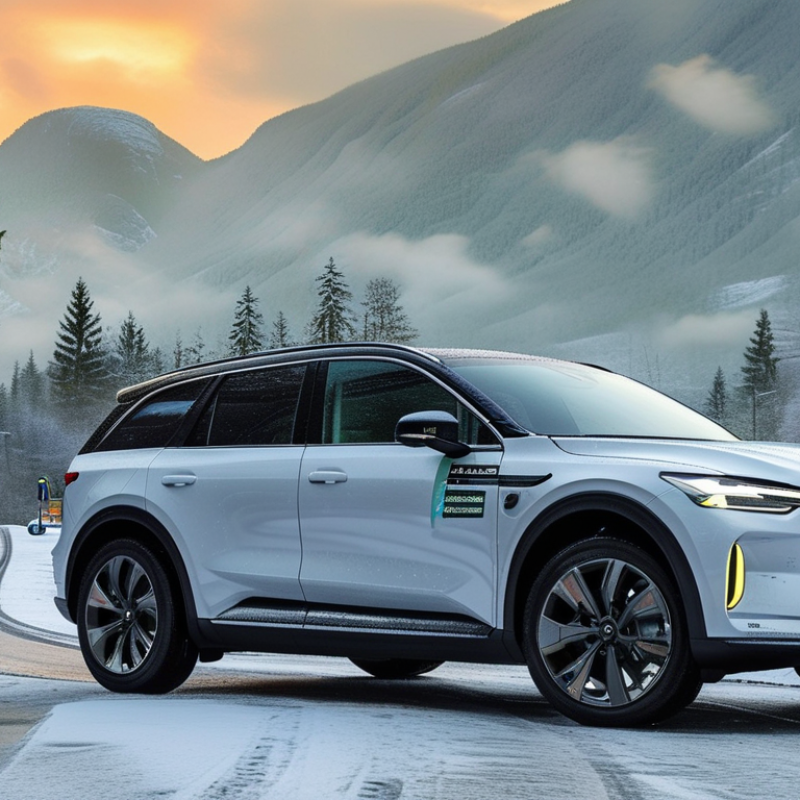
What Defines the Best Electric Vehicles for Global Buyers
The best electric vehicle for global buyers is not simply the one with the longest range. It must work reliably across climates, roads, charging systems, and household budgets. A strong model should offer predictable range, clear energy data, and safe battery management. In a cold region, drivers may lose noticeable range before the cabin becomes warm. In hot areas, battery cooling becomes equally important.
Charging compatibility deserves close attention. Buyers should check plug standards, charging speeds, public network coverage, and home electricity limits. A vehicle that reaches 80 percent quickly may still be inconvenient if suitable chargers are rare. Practical testing should include a crowded city, a steep road, and a long motorway trip. Cabin space matters too. A family may need room for luggage, child seats, or weekly groceries, not just an impressive acceleration figure.
Reliability also depends on service access. Independent repair training, available parts, transparent battery warranties, and strong safety certification can matter more than a large display. Software updates should improve the vehicle without creating confusing controls. Total ownership costs must include insurance, electricity, tires, maintenance, and possible battery degradation. No rating is perfect. Official range figures can feel optimistic in real traffic, and local conditions change the result. A careful buyer should compare tested evidence with personal driving habits, charging access, and local regulations before choosing.
10 Best Auto Electric Vehicles for Global Buyers? - What Defines the Best Electric Vehicles for Global Buyers
A practical comparison based on driving range, charging capability, efficiency, versatility, safety potential, and international usability.
| Rank |
Vehicle Profile |
Body Type |
Battery Capacity |
Official Rated Range |
DC Fast-Charging Capability |
Drive Layout |
Seating |
Global Buyer Strength |
| 1 |
Long-Range Executive Sedan |
Large sedan |
Approximately 100 kWh |
Up to about 625 km WLTP |
Up to approximately 270 kW |
Rear-wheel or all-wheel drive |
5 |
Excellent highway efficiency, premium comfort, and strong long-distance capability. |
| 2 |
Efficient Family Crossover |
Midsize crossover |
Approximately 77 kWh |
Up to about 535 km WLTP |
Up to approximately 175 kW |
Rear-wheel or all-wheel drive |
5 |
Balanced range, cargo space, ride height, and family practicality. |
| 3 |
Compact Urban Hatchback |
Five-door hatchback |
Approximately 54 kWh |
Up to about 405 km WLTP |
Up to approximately 100 kW |
Front-wheel drive |
5 |
Compact dimensions, low energy consumption, and convenient city maneuverability. |
| 4 |
High-Performance Electric Sedan |
Sport sedan |
Approximately 82 kWh |
Up to about 615 km WLTP |
Up to approximately 250 kW |
Rear-wheel or all-wheel drive |
5 |
Combines strong acceleration, long range, advanced software, and fast charging. |
| 5 |
Large Three-Row Electric SUV |
Large SUV |
Approximately 111 kWh |
Up to about 600 km WLTP |
Up to approximately 200 kW |
All-wheel drive |
6 or 7 |
High passenger capacity, strong towing potential, and substantial luggage space. |
| 6 |
Mid-Size Electric Sedan |
Family sedan |
Approximately 77 kWh |
Up to about 565 km WLTP |
Up to approximately 170 kW |
Rear-wheel or all-wheel drive |
5 |
Efficient aerodynamics, comfortable seating, and good value for daily commuting. |
| 7 |
Compact Electric SUV |
Compact SUV |
Approximately 64 kWh |
Up to about 450 km WLTP |
Up to approximately 135 kW |
Front-wheel or all-wheel drive |
5 |
Useful ground clearance, flexible cabin space, and broad everyday appeal. |
| 8 |
Long-Range Electric Pickup |
Pickup truck |
Approximately 131 kWh |
Up to about 515 km EPA |
Up to approximately 250 kW |
All-wheel drive |
5 |
Large cargo bed, high payload potential, and strong utility for work-focused users. |
| 9 |
Electric Family MPV |
Multi-purpose vehicle |
Approximately 77 kWh |
Up to about 490 km WLTP |
Up to approximately 175 kW |
Front-wheel or rear-wheel drive |
5 to 7 |
Excellent cabin flexibility, easy access, and strong suitability for larger families. |
| 10 |
Affordable City Electric Car |
Small hatchback |
Approximately 42 kWh |
Up to about 320 km WLTP |
Up to approximately 85 kW |
Front-wheel drive |
4 or 5 |
Lower purchase and running costs, compact parking footprint, and simple urban operation. |
Evaluation note: Range figures are maximum official test-cycle values and may vary with weather, speed, payload, wheel size, driving style, and charging conditions. WLTP and EPA results are not directly interchangeable. Charging performance depends on battery temperature, charger output, and local infrastructure.
Top Ten Electric Vehicles Across Major Global Markets
10 Best Auto Electric Vehicles for Global Buyers?
Top Ten Electric Vehicles Across Major Global Markets
Choosing the top ten electric vehicles worldwide requires more than comparing advertised range. A compact hatchback may suit crowded European streets, while a larger utility vehicle fits family travel in North America or Australia. In many Asian cities, affordable small cars remain more useful than powerful SUVs. The strongest choices combine dependable battery performance, practical charging speeds, strong safety equipment, and service support. Those details matter after the showroom visit.
A balanced global shortlist would include efficient city hatchbacks, long-range sedans, family crossovers, spacious sport utility vehicles, and rugged electric pickups. Some models offer excellent cold-weather range, while others perform better in hot climates. Buyers should check battery cooling, ground clearance, charging connectors, and local repair access. A vehicle can travel far on paper but disappoint when public chargers are scarce.
Real ownership is less polished. Very short trips may reduce efficiency, and highway driving can cut range sharply. Home charging is not available everywhere. No ranking is perfect. Price, taxes, road conditions, and electricity costs change by country, so a vehicle rated highly in one market may feel impractical in another. I would also question impressive acceleration when it increases tire wear and energy use. Warranty terms deserve careful reading, especially for battery capacity and imported vehicles.
Charging, Range, Safety, and Ownership Considerations
Choosing the 10 best electric vehicles for global buyers requires more than comparing advertised range. The IEA’s Global EV Outlook 2024 reported nearly 14 million electric car sales in 2023, representing about 18% of global car sales. That growth brings wider choice, but charging access remains uneven. Buyers should check home electricity capacity, workplace charging, and reliable fast-charging routes before purchasing. A vehicle with 450 kilometres of rated range may deliver less in cold weather, heavy rain, or mountain driving.
Safety deserves equal attention. Independent crash-test results, emergency braking, lane support, battery protection, and post-crash service records matter more than a long equipment list. The Global Status Report on Road Safety shows that road crashes remain a major worldwide health burden, so advanced driver assistance should support—not replace—careful driving. Ownership costs also include tyres, insurance, software support, battery warranties, and charging fees. Battery degradation is often slower than public fears suggest, yet replacement costs and recycling policies can vary by country.
Tips: Request a real-world range test, not only laboratory figures. Calculate charging time from 10% to 80%. Compare electricity prices with fuel costs. Ask whether local technicians can service high-voltage systems. A spreadsheet helps, but it cannot predict every winter trip or apartment move. That limitation deserves honest attention. The strongest choice balances range, safety evidence, charging convenience, and several years of practical ownership.
10 Best Auto Electric Vehicles for Global Buyers? — Charging, Range, Safety, and Ownership Considerations
The chart compares ten representative battery-electric vehicle configurations sold in major markets. Range figures use published WLTP or EPA-equivalent values, while DC charging times represent typical 10–80% estimates under suitable conditions; actual results vary by trim, temperature, battery state, charger power, and regional specification.
For ownership, buyers should verify local charging access, real-world winter range, service availability, battery warranty terms, insurance costs, and independent safety-test results before purchase.
How to Choose the Right Electric Vehicle for Your Country
Choosing an electric vehicle for another country requires more than comparing driving ranges. Local roads, weather, charging access, and repair support can change the ownership experience completely. A vehicle that performs well on smooth highways may struggle on steep rural roads or rough urban streets.
Start with your daily route. Measure its real distance, not the manufacturer’s best-case estimate. Cold winters can reduce battery range, while extreme heat may increase cooling demand. If your home has no reliable parking outlet, public charging speed becomes essential. Check connector compatibility, charging prices, payment methods, and station availability near your home and workplace. Small details matter.
Study local rules before ordering. Confirm vehicle approval, import duties, insurance requirements, battery warranties, and software restrictions. Some countries offer purchase incentives, but these policies can change quickly. Ask whether qualified technicians and replacement parts are available nearby. A low purchase price means little if a minor repair requires months of waiting.
Think about the future. A larger battery is not always better, because it can increase weight, cost, and energy use. Smaller vehicles may suit crowded cities, while higher ground clearance helps on uneven roads. I once assumed maximum range was the safest choice. It was not. Daily charging convenience mattered more. No checklist is perfect. Leave room to question your first decision.