Leave Your Message

How to Choose the Best Electric Automobile for Your Needs?

Choosing the right electric automobile can be daunting. With many options on the market, finding the best fit for your needs requires careful consideration. Electric automobiles are more than just eco-friendly choices; they offer various features, performance levels, and price points.

Your lifestyle matters when selecting an electric automobile. Do you need a compact car for city driving, or a spacious model for family trips? Understanding your daily routines, travel distances, and charging facilities is essential. Some may overlook the importance of range and battery life, leading to future regrets.

It’s also vital to consider the brand reputation and customer service of different manufacturers. Not all electric automobiles are created equal. Some perform better in real-world conditions than in tests. Researching user reviews and expert opinions can guide you towards a reliable choice. Balancing your priorities, such as cost, performance, and sustainability, will lead to a more satisfying decision in your search for the perfect electric automobile.

How to Choose the Best Electric Automobile for Your Needs?

Understanding Your Driving Needs and Lifestyle

How to Choose the Best Electric Automobile for Your Needs?

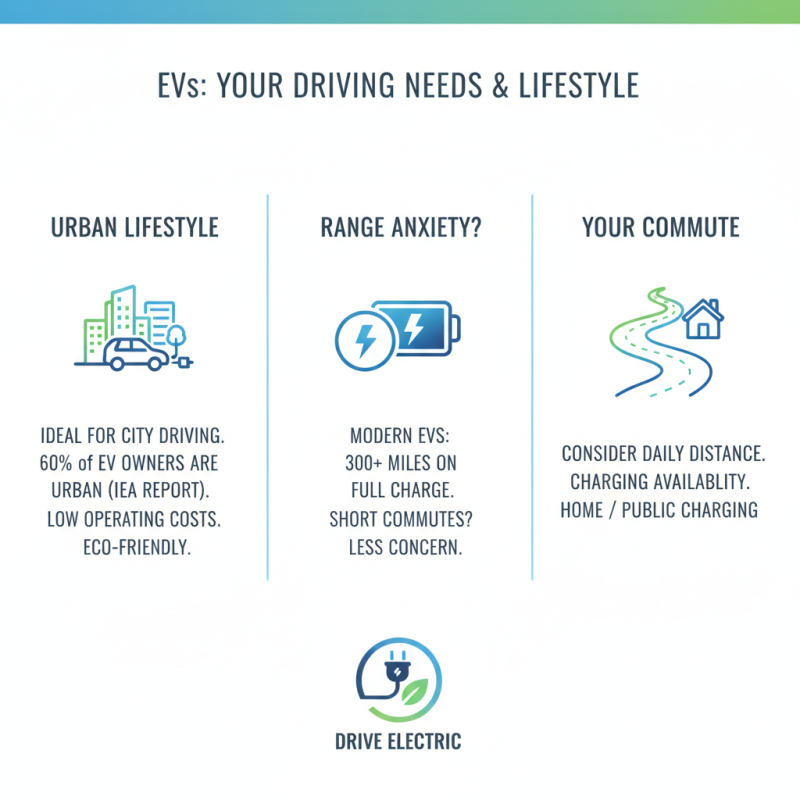
When considering an electric automobile, understanding your driving needs is crucial. Electric vehicles (EVs) typically suit urban lifestyles well. According to a report from the International Energy Agency, nearly 60% of EV owners live in urban areas. They appreciate the lower operating costs and environmental benefits. Range anxiety is a common concern. Many modern EVs can cover over 300 miles on a single charge, but if your commute is short, this may not be a significant issue.

Your lifestyle also plays a major role. If you frequently take road trips, consider features like fast-charging stations along your routes. The U.S. Department of Energy states that the number of charging stations is expected to exceed 100,000 by 2025. This growth could ease concerns about long-distance travel. However, it's essential to plan routes and know charging locations in advance.

Reflecting on your driving habits is also vital. If you drive mostly short distances, a smaller model may be more efficient. Conversely, larger families might benefit from spacious EVs that accommodate passengers and cargo. Evaluating these aspects thoughtfully ensures the right choice that fits your unique needs.
Evaluating Different Electric Vehicle Types and Models

When choosing an electric vehicle (EV), it's essential to understand the various types and models available. The market offers sedans, SUVs, and even trucks, each catering to different needs. Sedans might suit urban dwellers, while SUVs attract families requiring more space. The range of distance is also crucial. Some models can travel over 300 miles on a single charge, while others may only manage 150 miles.

Evaluating performance is equally important. Consider acceleration and handling. Some EVs excel in delivering rapid acceleration, providing a thrilling experience. Others focus on efficiency, offering longer battery life for commuters. Always check specifications, as they may differ significantly among models.

Charging infrastructure is another factor. Ensure that you have suitable charging stations in your area. Some users find that home charging is ideal, while others depend on public stations. Think about your daily driving habits. Reflect on whether you travel long distances or mainly engage in short trips. These considerations will guide you in making a choice aligned with your specific lifestyle.

Assessing Range, Charging Options, and Battery Life

When choosing an electric automobile, it's crucial to assess the range, charging options, and battery life. Range directly affects how far you can drive on a single charge. Many electric vehicles (EVs) offer a range between 150 to 400 miles. Think about your daily commute and any trips you take. If you often travel long distances, look for models with extended range capabilities.

Charging options greatly influence your experience. Check for availability at home, work, and along your common routes. Level 1 chargers are slow but can suit overnight charging. Level 2 chargers are faster and widely available in public places. DC fast chargers are essential for long trips but may not be in all locations.

Tip: Take note of the battery warranty. Most manufacturers offer a warranty ranging from 8 to 10 years, but understanding the specifics is vital. Also, consider the battery's longevity. High battery degradation can impact use. It's not uncommon for EV owners to face challenges with battery performance after several years. Rethink your choice if longevity is a major concern.

How to Choose the Best Electric Automobile for Your Needs? - Assessing Range, Charging Options, and Battery Life

Model Range (Miles) Charging Time (Hours) Battery Life (Years) Charging Options
Electric Model A 250 6 8 Home, Public Charging
Electric Model B 300 4 10 Supercharger, Home
Electric Model C 220 8 7 Public, Fast Charging
Electric Model D 350 3 12 Home, Level 2 Charging
Electric Model E 280 7 9 DC Fast Charging, Solar

Considering Budget and Incentives for Electric Cars

How to Choose the Best Electric Automobile for Your Needs?

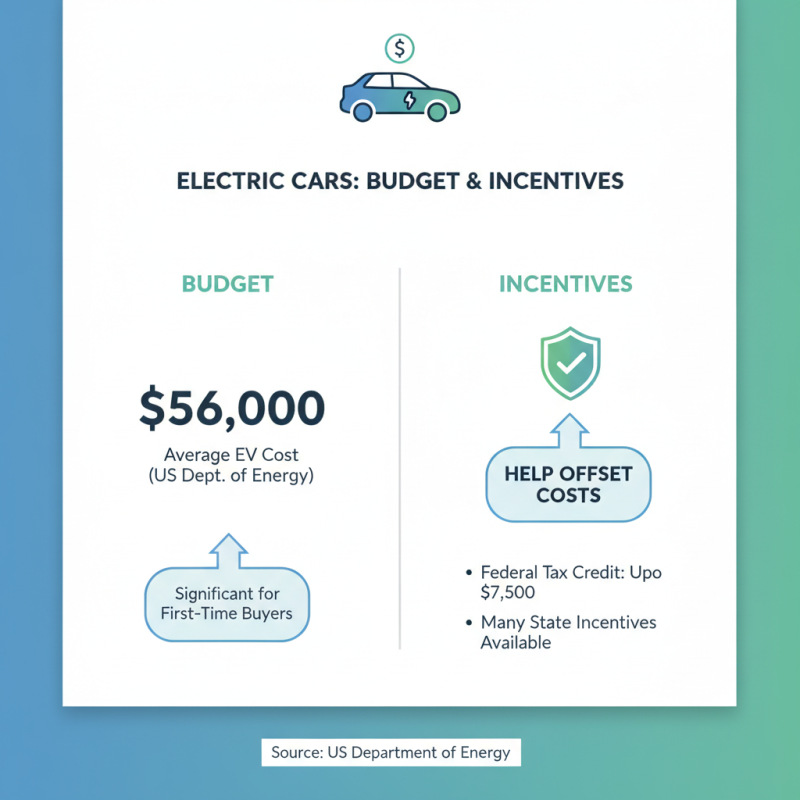
When choosing an electric automobile, budget plays a critical role. According to the U.S. Department of Energy, the average cost of an electric vehicle (EV) is around $56,000. This is significant, especially for first-time buyers. Additionally, many states offer incentives that can help offset these costs. For instance, the federal tax credit can provide up to $7,500.

Various factors influence your budget, including range, size, and features. Not all EVs qualify for these incentives, so checking eligibility is crucial. Some buyers might focus on lower-priced models, but often, they can compromise on range and technology. Research shows that about 40% of consumers want an EV with a range of at least 300 miles. Balancing cost and performance requires thoughtful consideration.

While budget and incentives are vital, ongoing expenses are also worth thinking about. Electric cars generally incur lower maintenance costs compared to gasoline vehicles. However, charging costs can vary based on electricity rates in your area. Understanding these nuances can lead to better decision-making. As you weigh your options, keep in mind that the perfect vehicle may not always match initial expectations. Crafting a well-rounded budget that includes both purchase and long-term expenses can provide clarity.

Researching Environmental Impact and Sustainability Factors

When considering an electric automobile, it’s crucial to research its environmental impact and sustainability. The production of electric vehicles (EVs) can have a hefty carbon footprint. This includes the extraction and processing of materials like lithium and cobalt. Understanding these processes can shape your purchase decision. Moreover, the lifecycle of the vehicle, from manufacturing to disposal, also plays a role in its overall sustainability.

Tips: Look for vehicles that prioritize eco-friendly materials. Models with recyclable components reduce long-term waste. Investigate the manufacturer's commitment to sustainability practices. Companies with transparent supply chains are often more reliable.

Evaluate the energy sources that power your vehicle. If charging comes from fossil fuels, the benefits diminish. Opting for an electric car won’t automatically erase your carbon footprint. Consider your local energy grid. Is it renewable? Are there incentives for using green energy? Such factors matter. It’s important to reflect on how your choices contribute to a broader environmental picture. The more informed you are, the better your decision will be.

Environmental Impact of Electric Vehicles (EVs) vs. Traditional Vehicles