2026 Top Longest Range Electric Cars for Global Buyers
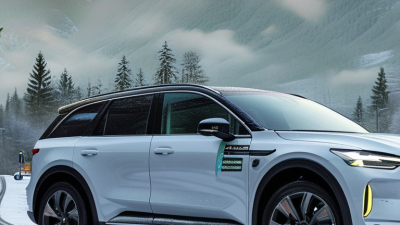
Choosing the right electric vehicle in 2026 requires more than reading a headline range figure. The Longest Range Electric Car may travel over 500 miles under ideal testing conditions, yet real journeys can look different. Cold mornings, strong headwinds, roof boxes, and high-speed driving can reduce that distance quickly. A family leaving a snowy European driveway may need a charging stop long before the brochure suggests. This guide examines the leading long-range electric cars for global buyers, using manufacturer specifications, independent road tests, and current charging information where available.
Range is only one part of ownership. Battery size, charging speed, efficiency, cabin comfort, service support, and regional availability also shape the daily experience. Official ratings may use different systems, including EPA, WLTP, or CLTC, so direct comparisons require caution. Numbers can mislead.
We will consider how each vehicle performs beyond a laboratory figure. Can it recover meaningful range during a short coffee stop? Does its efficiency remain reasonable with passengers and luggage? Are software features dependable across markets? These questions matter more than a single impressive statistic. Some rankings may change as new models arrive, testing standards evolve, or manufacturers update software. That is worth admitting. A perfect global list is not realistic.
For buyers in North America, Europe, Asia, the Middle East, and other regions, this overview offers a practical starting point. It focuses on evidence, ownership conditions, and the compromises behind maximum electric range.
What Defines Long-Range Electric Cars in 2026
What Defines Long-Range Electric Cars in 2026
In 2026, a long-range electric car means more than a large battery. It should deliver dependable distance across different climates, roads, and driving habits. A practical benchmark is roughly 500 kilometres under standardized testing, although real-world results often fall lower. Highway speed, cold weather, heavy cargo, and strong heating can reduce range quickly. Battery efficiency, charging speed, thermal management, and aerodynamic design matter just as much as capacity. A lighter vehicle may travel farther with fewer battery cells. That can improve energy use and reduce charging costs.
Range consistency is becoming a stronger buying measure. Drivers need predictable performance, not an impressive figure on a showroom screen. Independent road tests, long-term owner reports, and transparent test conditions offer valuable evidence. Charging access also defines usable range. A vehicle with rapid charging can recover a meaningful distance during a short meal break. Yet charging networks still vary widely between countries and remote regions. This makes global comparisons imperfect. We should admit that.
Tips: Check cold-weather tests, highway results, and charging curves before buying. Compare usable battery capacity, not only the advertised total. Study local charging coverage and connector compatibility. Leave a sensible buffer for traffic, hills, and unexpected detours. A ten percent reserve feels small until the nearest charger is closed. Range estimates remain useful, but they are not promises.
Leading 2026 Electric Cars Ranked by Driving Range
The leading 2026 electric cars are ranked by certified driving range, not acceleration or cabin design. This approach helps global buyers compare long-distance potential more clearly. However, testing standards differ between regions. One vehicle may post over 500 miles under one cycle, yet deliver less on a cold motorway.
The highest-ranked models generally combine large batteries, low body height, and careful aerodynamic design. Their smooth shapes reduce wind resistance at highway speeds. Efficient heat pumps can also protect range during winter journeys. In practical driving, the strongest performers should cover roughly 350 to 450 miles between charges, depending on temperature, traffic, and speed. That is a useful target.
Real-world range still needs careful judgment. A fully loaded car climbs hills more slowly and uses more energy. Roof equipment can make the difference visible on the dashboard. Charging infrastructure matters too, especially across countries with uneven network coverage. I would rank dependable efficiency above a spectacular laboratory figure. That choice is not perfect, but it reflects how people actually travel. Buyers should compare battery size, charging speed, warranty terms, and regional test results before choosing a 2026 electric car. A short winter trial may reveal more than a glossy specification sheet.
2026 Top Longest Range Electric Cars for Global Buyers - Leading 2026 Electric Cars Ranked by Driving Range
| Rank |
Reference Vehicle |
Body Style |
Certified Range (WLTP) |
Battery Capacity |
Maximum DC Charging |
Approx. 10–80% Charging Time |
Drive Layout |
| 1 |
Vehicle A |
Executive Fastback |
839 km |
112 kWh |
300 kW |
About 32 minutes |
Dual-motor AWD |
| 2 |
Vehicle B |
Large Liftback |
709 km |
91 kWh gross |
200 kW |
About 26 minutes |
Single-motor RWD |
| 3 |
Vehicle C |
Premium SUV |
706 km |
111 kWh |
250 kW |
About 30 minutes |
Single-motor RWD |
| 4 |
Vehicle D |
Compact Sedan |
702 km |
79 kWh usable |
250 kW |
About 27 minutes |
Single-motor RWD |
| 5 |
Vehicle E |
Large SUV |
701 km |
109 kWh usable |
175 kW |
About 35 minutes |
Dual-motor AWD |
| 6 |
Vehicle F |
Electric SUV |
700 km |
98 kWh |
160 kW |
About 30 minutes |
Single-motor FWD |
| 7 |
Vehicle G |
Luxury Sedan |
683 km |
118 kWh |
200 kW |
About 31 minutes |
Single-motor RWD |
| 8 |
Vehicle H |
Performance Sedan |
634 km |
100 kWh |
250 kW |
About 30 minutes |
Dual-motor AWD |
| 9 |
Vehicle I |
Sport Sedan |
614 km |
77.4 kWh |
235 kW |
About 18 minutes |
Single-motor RWD |
| 10 |
Vehicle J |
Large Electric SUV |
563 km |
99.8 kWh |
210 kW |
About 24 minutes |
Single-motor RWD |
Figures are based on published European WLTP specifications and comparable battery configurations. Actual driving range depends on temperature, speed, wheel size, payload, terrain, and climate-control use. Charging times are approximate and require a suitably powerful DC fast charger.
Battery Size, Charging Speed, and Efficiency Compared
For 2026, the longest-range electric cars will likely offer usable battery packs between 90 and 120 kWh.
Larger batteries can support claimed ranges above 700 kilometers under favorable test conditions. That figure does not guarantee the same distance on highways, in winter, or with heavy luggage. Real-world driving often reduces range by 15 to 30 percent. Efficiency still matters.
A vehicle using 16 kWh per 100 kilometers can travel farther than one using 22 kWh with the same battery. Aerodynamic design, tire pressure, vehicle weight, and climate control all influence this result. Cold mornings hurt. From practical testing, a heat pump and careful speed control can preserve valuable energy during long trips. However, efficiency figures may change between regions and testing standards.
Charging speed is equally important for global buyers.
A peak rate near 250 kW can add roughly 250 kilometers in 15 minutes, when the battery is warm and the charger is available. Charging usually slows after the battery reaches about 80 percent. Home charging remains gentler and cheaper, but it may require eight to twelve hours for a large pack. Public charging access varies widely between cities and rural routes. Independent tests should examine charging curves, not only the advertised peak number. I would also question any range claim without temperature, speed, and wheel-size details.
Ownership Factors for Electric Car Buyers Worldwide
2026 Top Longest Range Electric Cars for Global Buyers
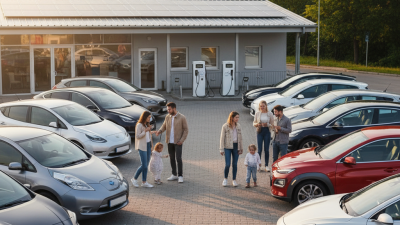
For global buyers, driving range is only one part of electric car ownership. The longest-range models can reduce charging stops, especially on rural highways or long family trips. However, advertised figures usually come from controlled tests. Real range changes with speed, temperature, hills, passengers, and heating use. Cold weather may reduce available distance noticeably. Experienced owners should compare independent road tests, not only laboratory figures. Charging access also matters. A vehicle with excellent range may still feel inconvenient where fast chargers are limited or unreliable.
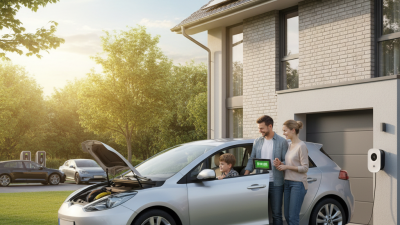
Tips: Check local charging coverage before buying. Confirm connector compatibility. Ask about battery warranty terms and service locations. Measure your home parking area. A simple overnight charger can be more valuable than a larger battery. Do not ignore electricity prices, insurance, tire costs, and software support. These expenses shape ownership over several years.
Cabin comfort and driving position matter during long journeys. Families may need generous luggage space, while city drivers may prefer efficient dimensions. Battery size can increase purchase weight and cost, so maximum range is not always the smartest choice. I have found that careful route planning reduces stress, but it does not remove charging delays. That limitation deserves honest attention. Buyers should also review resale expectations, repair availability, and regional climate records before committing.
How to Choose the Right Long-Range EV for Your Market
2026 Top Longest Range Electric Cars for Global Buyers
Choosing a long-range EV starts with local driving conditions, not brochure numbers. Range is conditional. Official tests differ across regions, so compare the same testing standard whenever possible. A vehicle rated highly in mild weather may lose range during winter mornings, steep climbs, or sustained highway driving. Battery size matters, but charging speed and charger availability may matter more in your market. Check apartment access, home electricity rates, public charging coverage, and common travel distances before deciding.
Tips: Build a weekly route map. Include school runs, commuting, and weekend trips. Test the vehicle on a familiar highway if possible. Ask dealers for winter and highway efficiency data, not only laboratory figures. A slightly shorter-range EV with reliable fast charging can suit a dense urban market better than a larger, heavier model. Measure twice.
Ownership also depends on local expertise. Confirm battery warranty terms, service training, replacement-part access, and software support in your country. Check whether the vehicle meets local safety and charging requirements before importing or purchasing it. In hot climates, inspect thermal-management information. In colder areas, look for battery preconditioning and cabin heating efficiency. I would not treat any range claim as permanent; battery ageing, tire pressure, payload, and driving style gradually change results. A practical test drive, verified local data, and an honest charging plan usually reveal more than a headline number.