Why Choose an Electric Sports Car for Your Next Purchase?
The world of automotive innovation is rapidly evolving. One standout option is the Electric Sports Car. Combining performance with sustainability, these vehicles represent a new era in driving. Imagine a car that accelerates with the same intensity as traditional sports cars, but with zero emissions.
Choosing an Electric Sports Car isn't just about speed; it's about embracing technology and environmental responsibility. These cars often come equipped with advanced features, enhancing the driving experience. However, the transition to electric vehicles presents challenges. Range anxiety and higher upfront costs can be concerning for potential buyers.
It is essential to weigh the pros and cons. Are you ready to invest in an electric future? With the right knowledge, you can make an informed decision. The quest for speed doesn't have to harm the planet. Consider all aspects before making your choice. Electric Sports Cars may just redefine your driving experience.
Benefits of Electric Sports Cars Compared to Traditional Models
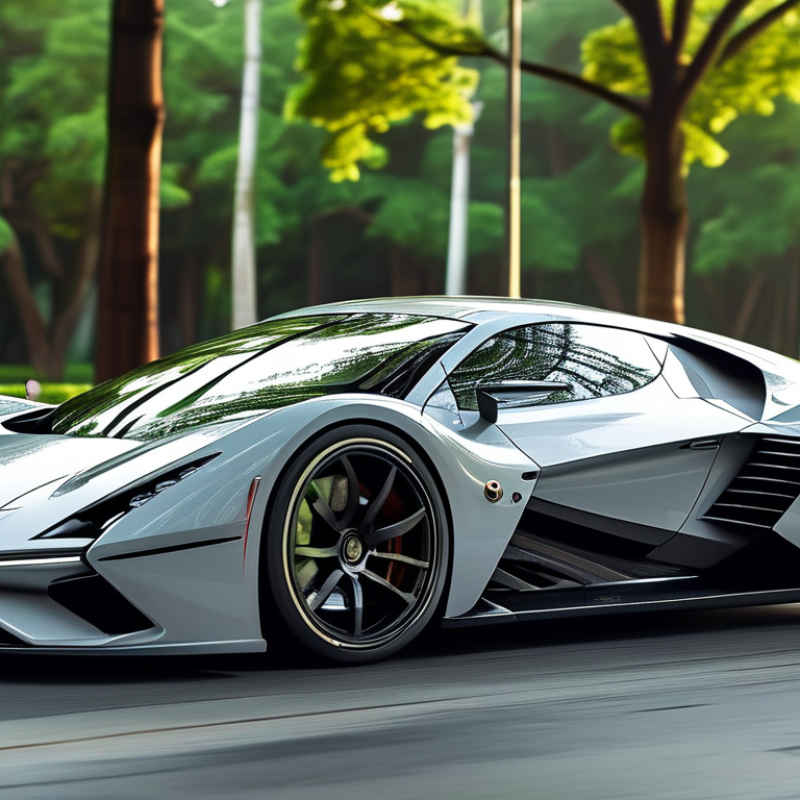
Electric sports cars have gained significant attention for their impressive performance and sustainability. A report from the International Council on Clean Transportation indicates that electric vehicles (EVs) can outperform traditional gasoline cars in acceleration. This is due to the instant torque provided by electric motors. For example, many electric sports cars can reach 0-60 mph in under three seconds, rivaling even the most high-performance gas models.
In terms of environmental impact, electric sports cars produce zero tailpipe emissions, contributing to cleaner air. According to the U.S. Department of Energy, the transportation sector accounts for approximately 29% of greenhouse gas emissions. By choosing electric, consumers actively reduce their carbon footprint. Moreover, the cost of electricity is substantially lower than gasoline, leading to long-term savings. In some regions, drivers may save over $1,000 annually on fuel costs alone.
However, challenges still exist. Charging infrastructure is still developing. Range anxiety can deter potential buyers. While many newer models offer over 300 miles on a single charge, finding charging stations can be an issue. In certain areas, fast chargers are scarce, leading to potential inconvenience. Consumers should weigh these factors carefully as they consider their next purchase.
Comparison of Electric Sports Cars vs Traditional Sports Cars
Environmental Impact: Why Electric Sports Cars Are Greener Choices
Electric sports cars represent a significant shift towards greener driving options. They produce zero tailpipe emissions, drastically reducing air pollution in urban environments. With cities facing increasing pollution levels, choosing an electric sports car can help mitigate this issue. The transition away from fossil fuels is essential for sustainable transportation.
Moreover, these vehicles utilize renewable energy sources like solar or wind power, further lessening their environmental impact. When charged sustainably, the carbon footprint is minimized. This not only helps the planet but also helps future generations. However, the environmental benefits are not without challenges in battery production and disposal.
Electric sports cars often have a higher upfront cost. This can be a deterrent for many buyers. However, in the long run, savings on fuel and maintenance can offset this initial investment. Investing in an electric sports car is a commitment to a greener future, though it requires consideration of the broader environmental implications.
Performance Features: Speed and Handling in Electric Sports Cars
Electric sports cars are redefining performance with their unique handling and speed. These vehicles utilize electric motors, delivering instant torque. This feature translates to rapid acceleration, often outperforming traditional gasoline engines. A well-designed electric sports car can reach 60 mph in under three seconds. Such figures are impressive, showcasing the power of electric technology.
Handling in electric sports cars is also noteworthy. Many models have a low center of gravity, enhancing stability. This design factor contributes significantly to better cornering capabilities. Despite these advancements, some drivers may feel that the driving experience lacks the rawness of combustion engines. Transitioning to electric often requires a shift in expectations.
Additionally, enthusiasts sometimes worry about the weight of batteries affecting performance. However, advances in battery technology are continually addressing this concern. Many electric sports cars now achieve a balance between weight and power. While they might not replace the iconic roar of a petrol engine, the innovative features they offer are undeniably exciting. The future of performance lies in adapting to new technologies and exploring their potential.
Cost of Ownership: Evaluating Long-Term Savings with Electric Vehicles
The cost of ownership for electric sports cars has become a hot topic. Monthly payments on these vehicles can be competitive compared to traditional sports cars, but the long-term savings paint a clearer picture. Research from the U.S. Department of Energy shows that electric vehicles (EVs) can save owners nearly $800 annually on fuel costs. This number does vary based on electricity rates and driving habits, but the potential for savings exists.
Maintenance costs for electric sports cars are also generally lower. The absence of complex internal combustion engines means fewer components to worry about. According to multiple industry reports, EVs require 30% less maintenance over their lifetime. Battery life and replacement costs remain concerns for some. Replacing a battery could cost between $5,000 and $7,000. However, many manufacturers offer long warranties that alleviate these worries.
In addition, tax incentives available for electric vehicles can offset the initial purchase price. Depending on your location, these incentives can range from a few thousand to upwards of $10,000. This financial assistance can influence many buyers. Yet, buyers must evaluate how these incentives change over time. As policies evolve, so could potential savings.
Technological Innovations in Electric Sports Cars Enhancing Driving Experience
Electric sports cars are at the forefront of automotive innovation. Technologies such as instant torque delivery and regenerative braking enhance performance. A recent report from the International Council on Clean Transportation (ICCT) highlights that electric vehicles can accelerate 0-60 mph in just 3 seconds, rivaling traditional combustion engines.
Battery technology plays a crucial role. Modern batteries are lighter and have higher energy density. The average range for electric sports cars has increased to nearly 300 miles on a single charge. However, the infrastructure for charging is still a mixed bag. Not all areas have adequate fast charging stations, which can deter potential buyers.
Moreover, the driving experience is incredibly engaging. Many electric sports cars offer customizable settings for steering and suspension. Driver feedback on these features has been positive, though challenges remain. Noise, once a hallmark of sports cars, is notably absent. This absence prompts drivers to rethink what an exhilarating ride means. As technology progresses, the future of electric sports cars looks promising yet requires thoughtful evolution in user experience.