Why Choose Electric Vehicles for Your Business Needs?
Electric Vehicles (EVs) are transforming the way businesses operate. As industries seek efficient and sustainable solutions, the move to electric is compelling. Industry expert Dr. Emily Carter emphasizes, "Transitioning to Electric Vehicles is not just a trend; it's a necessity for future-ready businesses."
The benefits of Electric Vehicles extend beyond just fuel savings. They reduce carbon footprints, enhance brand reputation, and can lead to lower operational costs over time. However, businesses must consider the initial investment in infrastructure and training. While many express concerns, these challenges can often lead to substantial rewards.
Adopting Electric Vehicles requires a thoughtful approach. Companies must evaluate their unique needs. It's a journey that demands reflection, adaptation, and a commitment to sustainability. Thus, the question remains: Is your business ready to embrace this electric future?
The Environmental Impact of Electric Vehicles in Business Fleets
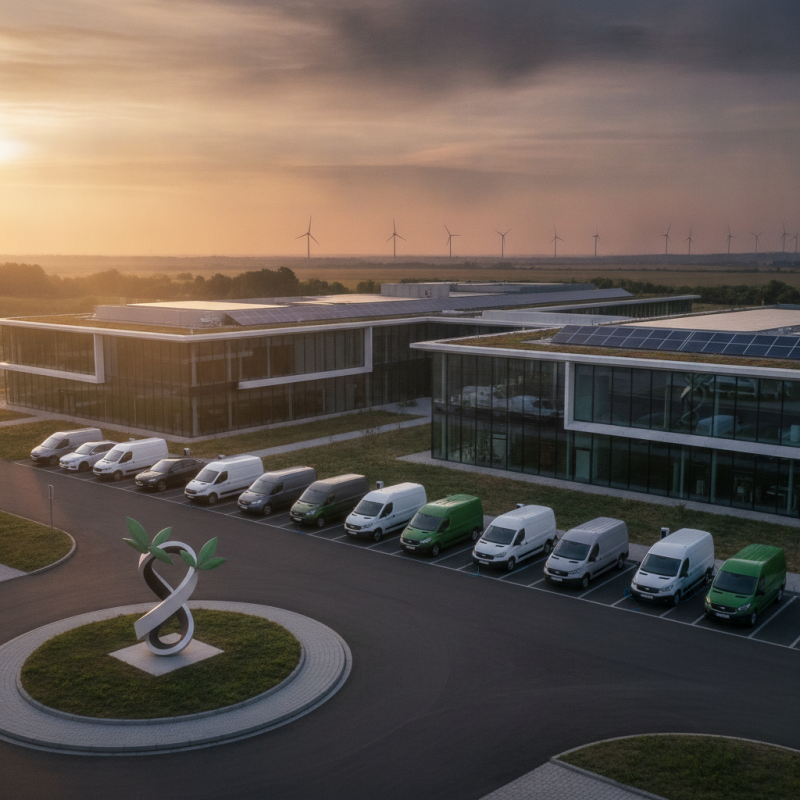
Electric vehicles (EVs) are transforming business fleets. Their environmental impact is significant and should not be overlooked. Companies adopting EVs can reduce greenhouse gas emissions. This reduction contributes to cleaner air and a more sustainable future. Additionally, EVs decrease reliance on fossil fuels, promoting energy independence.
Transitioning to electric vehicles is not without its challenges. Charging infrastructure can be limited in some areas. Businesses must assess their specific needs, including the availability of charging stations. It’s vital to explore local incentives for EV adoption. Such incentives can ease the financial burden.
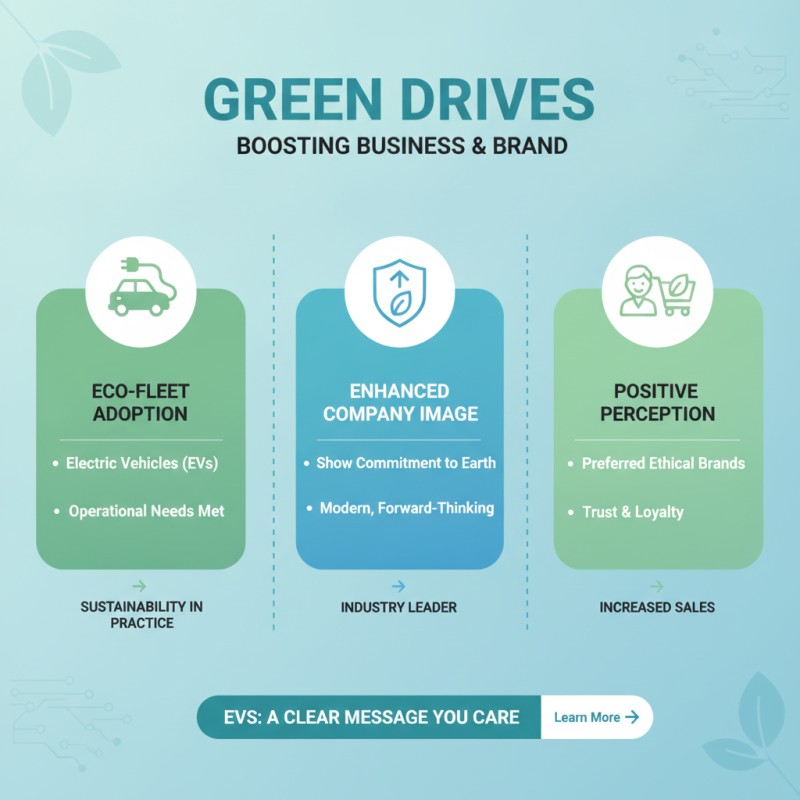
Investing in EVs can also enhance a company's reputation. Customers increasingly prefer environmentally conscious brands. However, companies must ensure that their sustainability claims are transparent and authentic. This approach builds trust with clients. As corporate responsibility grows in importance, understanding these nuances is essential for any business.
Cost Savings Analysis: Electric Vehicles vs. Traditional Gasoline Cars
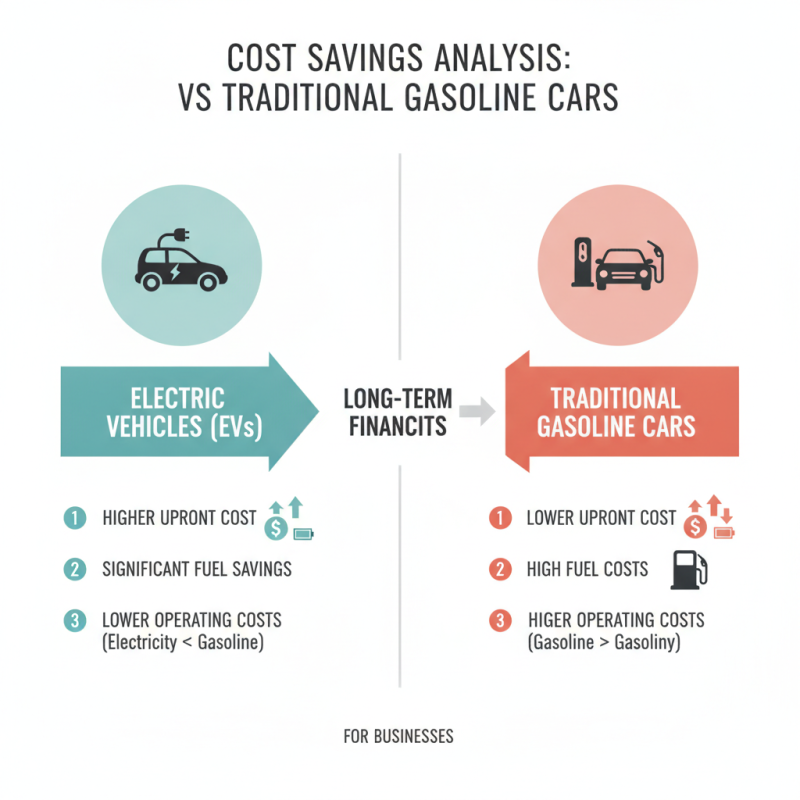
When considering electric vehicles (EVs) for business, cost savings emerge as a crucial factor. Upfront costs of EVs can be higher than traditional gasoline cars. However, this initial investment often leads to long-term financial benefits. Businesses can save significantly on fuel costs. Electricity is generally cheaper than gasoline, and charging an EV can be more cost-effective compared to refueling a conventional vehicle.
Maintenance is another area where savings are evident. Electric vehicles have fewer moving parts compared to gasoline cars. They don't require oil changes, and brake wear is reduced due to regenerative braking. This translates into lower maintenance costs over time. Companies can allocate these savings to other pressing business areas.
However, it's essential to assess the charging infrastructure before making the switch. Not all locations provide easy access to charging stations. Some businesses may face challenges in finding suitable locations for charging their fleet. A thorough analysis can help identify potential hurdles. Balancing between cost savings and logistical challenges is vital in making the transition to electric vehicles a practical choice for your business.
Government Incentives and Financial Benefits for Adopting EVs
Government incentives play a crucial role in the decision to adopt electric vehicles (EVs) for businesses. Governments worldwide offer various programs that significantly affect the total cost of ownership. For instance, the U.S. federal tax credit can provide up to $7,500 for qualifying electric vehicles. Additionally, many states offer their own incentives, which can include rebates and tax exemptions.
The financial benefits extend beyond initial subsidies. A 2022 report indicated that businesses can save between 60-70% on fuel costs with EVs compared to gasoline vehicles. Maintenance costs are also lower for electric vehicles, which require fewer repairs and less frequent servicing. However, adoption may not be without challenges. Businesses might face infrastructure hurdles, such as insufficient charging stations in their areas.
Despite these concerns, the long-term savings and support systems available make EVs an attractive option. For example, the International Energy Agency predicts that by 2030, the number of electric vehicles on the road could reach 230 million. This shift may also offer businesses the chance to enhance their sustainability efforts, appealing to a growing base of environmentally-conscious consumers. Yet, firms must weigh the costs of initial investments against the potential for reduced operational expenses over time.
Charging Infrastructure: Preparing Your Business for Electric Vehicle Use
As businesses shift towards sustainability, the importance of charging infrastructure becomes evident. Installing EV chargers at your workplace can be crucial. It enables employees to charge their vehicles during work hours. This not only promotes the use of electric vehicles but also enhances employee satisfaction.
Proper planning is necessary for a successful charging setup. Consider the number of EVs your employees may use. Assess the available power supply and determine the space for chargers. Engaging with local utility companies may also reveal incentives for installation. A well-thought-out plan addresses potential shortcomings, like long charging times or insufficient power.
Organizations may face challenges in educating staff about EV benefits. Some may have concerns regarding the costs of installation versus the long-term savings. A transparent communication strategy can alleviate these worries. By investing in charging infrastructure, businesses not only prepare for the future but also demonstrate a commitment to environmental responsibility.