2026 Top Ev Car Charger Options for Global Buyers?
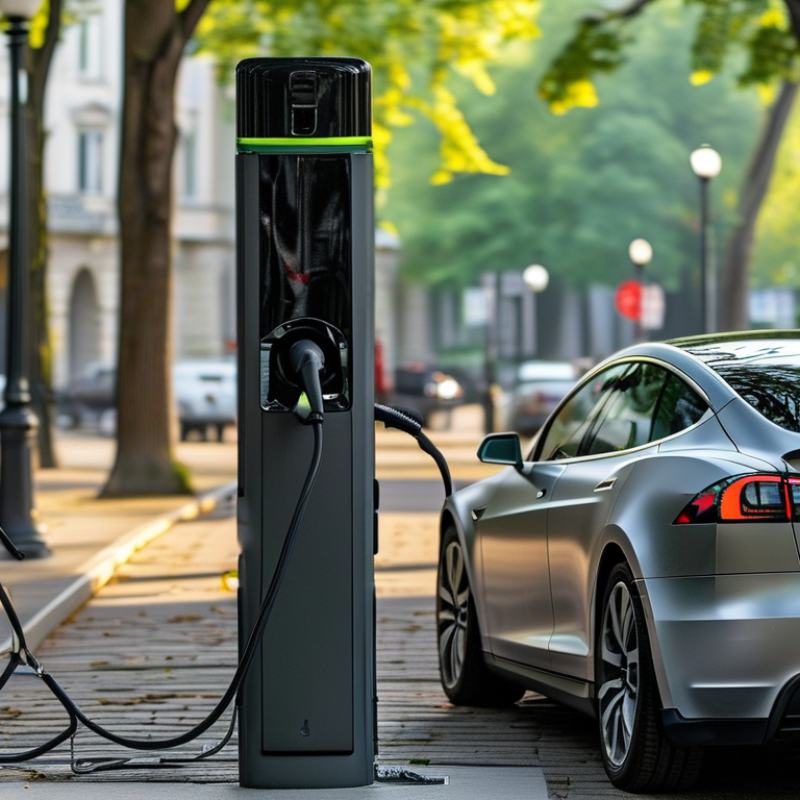
As the demand for electric vehicles surges, the EV car charger market is evolving rapidly. Consumers worldwide seek reliable charging solutions for their electric cars. In 2026, buyers are presented with a range of options, each tailored to specific needs.
Selecting the right EV car charger can be challenging. Users must consider charging speed, compatibility, and installation requirements. Features such as smart technology and app integration are becoming essential. However, not all products live up to their promises. Some chargers may have long waiting times or software issues that need addressing.
Experts agree that understanding the various charger types helps make informed decisions. Yet, many buyers still feel overwhelmed by the choices. Ultimately, the goal is to find an EV car charger that offers convenience and reliability. The right charger enhances the eco-friendly driving experience while meeting users' daily needs.
Top EV Charger Types Available in 2026 for Global Buyers
As the demand for electric vehicles (EVs) surges, the importance of efficient charging solutions has become paramount. In 2026, global buyers will encounter various types of EV chargers designed to meet diverse needs. Level 1 chargers are often overlooked. While they are the most common, they require a lengthy charging time, which may not suit all users.
Level 2 chargers are a popular choice, providing faster charging capabilities. According to a 2023 industry report, Level 2 chargers account for over 40% of the charging infrastructure. These chargers can add approximately 25 miles of range per hour, making them ideal for both home and commercial settings. However, installation costs can be high, which could deter some buyers.
DC fast chargers are revolutionizing the landscape for EV users. The same report indicates that their usage is projected to grow by 75% by 2026. They can deliver up to 80% charge in just 30 minutes. Such speed offers remarkable convenience, especially for long-distance travelers. However, the high cost of installation and maintenance raises questions about accessibility in various markets. As technology evolves, addressing these factors will be essential for widespread adoption.
Key Features to Consider When Choosing an EV Charger
When selecting an EV charger, several key features demand attention. The charging speed is essential. Fast chargers cut down wait times significantly. According to a 2023 report by the International Energy Agency (IEA), nearly 45% of EV owners prioritize charging speed. A wall-mounted charger can offer home convenience, whereas public charging stations provide flexibility.
Compatibility is another critical factor. Ensure the charger works with various EV models. This aspect is crucial, given that 70% of users may switch EV brands during ownership, per an industry survey. It's essential to check the charger’s plug type and power output. Many chargers now support both Level 2 and DC fast charging.
Tips: Consider installing a smart charger. This technology can optimize charging times based on energy costs. Also, check if your charger offers mobile app integration. It helps track usage and schedule charging. Pay attention to installation costs too; they can vary widely. Don't overlook the importance of warranties and customer support services. They can save you from future headaches.
2026 Top EV Car Charger Options for Global Buyers
| Charger Type |
Power Output (kW) |
Charging Time (0-80%) |
Connector Type |
Smart Features |
Price Range ($) |
| Level 2 AC Charger |
7.2 - 22 |
4-8 hours |
Type 1 / Type 2 |
Yes |
500 - 1,500 |
| DC Fast Charger |
50 - 350 |
30 minutes |
CHAdeMO / CCS |
Yes |
10,000 - 40,000 |
| Portable Charger |
3.6 - 7.2 |
6-12 hours |
Type 1 / Type 2 |
No |
300 - 1,000 |
| Home Charger |
16 - 40 |
4-10 hours |
Type 1 / Type 2 |
Yes |
400 - 2,500 |
Pricing Overview: Cost of Different EV Charger Options
The cost of EV chargers varies significantly across different regions. Buyers should carefully consider their options. Basic home chargers can range from affordable to moderately priced. Public charging stations might charge per minute, adding to the overall expense.
For those seeking faster charging options, the cost increases. Higher charging speeds often mean a higher price tag. Level 2 chargers are popular, providing a good balance between speed and cost. However, installation fees can add an unexpected expense to the total.
Potential buyers must also weigh the ongoing costs. Subscription models for public charger access may be tempting but can lead to higher long-term spending. It's crucial to evaluate personal charging needs and habits. Not everyone requires the latest high-speed technology. Some may prefer a slower, more economical approach. Insights from various users reveal that personal experiences vary widely. Thus, reflecting on individual requirements is vital for smart purchasing.
2026 Top EV Car Charger Options: Pricing Overview
International Market Trends in Electric Vehicle Charging Solutions
The electric vehicle (EV) market is rapidly evolving. With growing global demand, charging infrastructure is becoming imperative. Many international buyers seek effective charging solutions. Trends show a shift towards fast and ultra-fast charging options. These methods reduce charging time significantly. In major cities, faster charging stations are more appealing to users. Convenience often dictates user preference.
Accessibility remains a critical concern. Urban areas may have sufficient charging stations, but rural regions often lack options. Users may face long wait times. This disparity highlights the need for innovation and expansion in various markets. Simple solutions can lead to better access. Governments support the move towards wider installations. They are also incentivizing private investments in EV infrastructure.
Sustainability is another important factor. Many buyers consider environmental impact when choosing EV chargers. Solutions must align with eco-friendly practices. This includes using renewable energy sources in the charging process. While progress is evident, numerous challenges persist. Overcoming these hurdles requires collaboration among governments, businesses, and consumers alike. Flexibility will be crucial in adapting to future demands.
Sustainability and Innovation in 2026 EV Charging Technology
As the world shifts toward electric vehicles (EVs), the importance of sustainable charging solutions grows. By 2026, the global EV market is projected to reach over 10 million units sold annually, according to a McKinsey report. This surge demands innovative charging technology that can accommodate increased energy needs sustainably. EV chargers must evolve to provide fast, reliable energy while minimizing environmental impacts.
Emerging technologies such as ultra-fast charging stations are crucial. These innovations enable charging capabilities of up to 350 kW, significantly reducing the time needed to recharge a vehicle. According to BloombergNEF, cities investing in public charging infrastructure could see a rise in EV adoption by nearly 50%. However, potential challenges exist, such as grid strain during peak times. Addressing these issues requires thoughtful integration of renewable energy sources, enhancing energy flexibility.
Moreover, global standards for charging infrastructure are still evolving. The International Electrotechnical Commission is working on guidelines to streamline charging solutions across regions. This standardization is essential for improving user experience and ensuring accessibility. While the industry progresses, it’s vital to acknowledge that not every initiative will succeed. Testing and adapting to real-world conditions are crucial to achieving long-term sustainability in EV charging.