Leave Your Message

What Are the Top EV Cars for Global Buyers?

Choosing the right electric vehicle is no longer only about acceleration or a futuristic dashboard. Global buyers need dependable range, charging access, safety, comfort, and sensible ownership costs. The Top Ev Cars vary by region because roads, weather, electricity prices, and public infrastructure differ widely.

A practical comparison should examine real driving conditions, not just laboratory figures. A vehicle claiming 500 kilometers of range may deliver less during winter, heavy rain, or highway travel. Charging speed also matters. A family driving across Europe may value dense fast-charging networks, while an urban driver in Southeast Asia may prefer efficient home charging. Battery warranties, repair support, software updates, and local parts availability deserve equal attention.

This guide evaluates leading models through those everyday details. It considers independent safety assessments, manufacturer data, owner experiences, and long-term reliability reports. However, no ranking can suit every driver. Testing conditions differ, and some published efficiency figures feel overly optimistic. That is worth remembering.

The strongest choices usually balance usable range, predictable charging, refined handling, and reasonable pricing. Some models offer impressive technology but limited service coverage. Others feel less exciting yet remain easier to maintain. Buyers should also check regional specifications, because the same vehicle may receive different batteries, features, or warranty terms.

The goal is clarity.

Rather than naming one universal winner, this overview identifies which Top Ev Cars fit different driving needs. It also highlights their compromises, helping readers make a confident decision based on evidence, experience, and local realities.
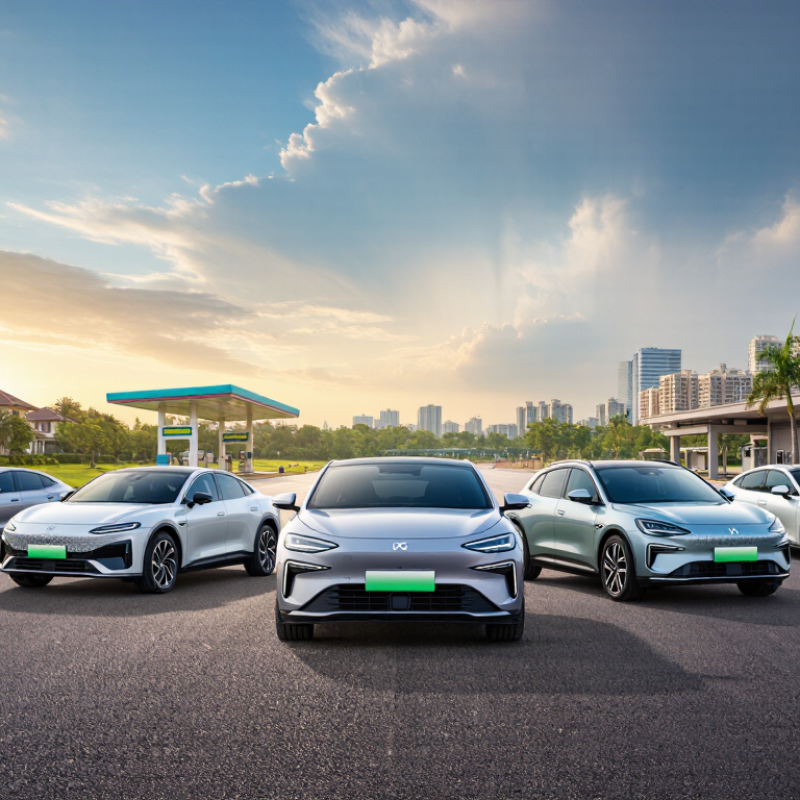
What Are the Top EV Cars for Global Buyers?

Global EV Baseline: Over 17 Million Electric Cars Sold in 2024

More than 17 million electric cars were sold worldwide in 2024, according to the International Energy Agency. That figure includes battery-electric and plug-in hybrid cars. Together, they represented more than one in five new cars sold globally. The pace matters, but so does where buyers live. Charging access, electricity prices, climate, and long-distance driving needs vary widely.

For global buyers, a “top” electric car is often the one that fits daily routines. A compact model may suit narrow streets and home charging. A larger vehicle can offer more passenger space, but its heavier body may use more energy. Check the usable battery capacity, real-world range, charging speed, and local service options. A brochure number cannot fully predict a cold morning commute or a crowded public charger.

Look closely at the total cost. Compare purchase price, electricity rates, insurance, and battery warranty terms in your region. Ask how much range remains after years of ordinary use, and whether repairs are available nearby. These details are less exciting than acceleration. They can matter more over time. Global sales show broad momentum, though the headline number hides uneven access and different buyer experiences. That comparison is imperfect. A driver with a driveway and a driver relying on street charging do not face the same choice.

What Are the Top EV Cars for Global Buyers? — Global EV Baseline: Over 17 Million Electric Cars Sold in 2024

A regional snapshot can help buyers compare how established the electric-car market is in different parts of the world. Sales figures below cover battery-electric and plug-in hybrid cars.

Market Electric Car Sales in 2024 Share of New Car Sales 2024 Market Signal What Buyers Can Take Away
Global More than 17 million More than 20% Electric-car sales continued to grow, with more than one in five new cars sold worldwide being electric. EVs are a mainstream global option, though model availability, charging access, and incentives vary by country.
China More than 11 million Nearly 50% China accounted for the largest share of global electric-car sales, and almost half of new cars sold there were electric. Buyers can compare a broad range of electric-car choices, while checking local charging standards and vehicle regulations.
Europe About 3.2 million About 20% Electric-car sales remained substantial, although the pace and incentives differed among European markets. Compare local purchase incentives, public-charging coverage, and real-world winter range before choosing a vehicle.
United States About 1.6 million More than 10% Electric cars reached a record sales level, representing more than one in ten new cars sold. Home-charging access, typical driving distance, and the availability of compatible public fast chargers are useful decision factors.

Source: International Energy Agency, Global EV Outlook 2025. Figures are rounded; regional sales and market shares are approximate.
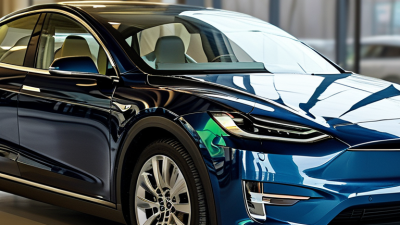
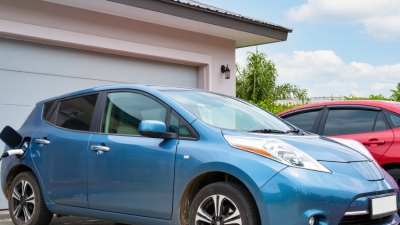
Comparing Range, Battery Size, and Fast Charging at 150–350 kW

What Are the Top EV Cars for Global Buyers?

For global buyers, range is useful, but charging speed often decides the journey. A car rated for 600 kilometers may deliver less in winter, heavy rain, or at motorway speeds. Laboratory figures are helpful, yet real roads remain less cooperative. Battery size also matters. A 90 kWh pack can reduce charging stops, but it adds weight, cost, and energy consumption.

At a 150 kW charger, a compatible EV may add roughly 200 kilometers during a 20-minute break. A 350 kW station can be faster, but only when the vehicle accepts that power. Charging usually peaks at a low battery level, then declines near 80 percent. A larger battery does not guarantee shorter stops. The charging curve matters more than one impressive number.

Temperature changes the experience. On a cold morning, the battery may need preconditioning before reaching its advertised rate. In hot climates, cooling systems can limit power. Drivers should check local charger reliability, connector standards, and payment access before buying. I would also question perfect range comparisons. Different testing systems can make similar vehicles look far apart. A practical choice balances usable range, battery efficiency, and dependable 150–350 kW charging. Some fast stops still become slow when queues, blocked stalls, or weak grid connections appear.

Top EV Models by Region, Price, Safety, and 2024 Sales Data

What Are the Top EV Cars for Global Buyers?

Top EV Models by Region, Price, Safety, and 2024 Sales Data

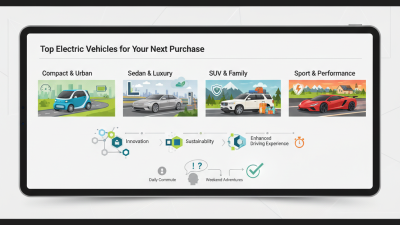
The best electric vehicle depends on local roads, charging access, and household budgets. In China, compact city models and affordable sedans dominated 2024 registrations. European buyers often preferred efficient hatchbacks and practical crossovers. North American shoppers leaned toward larger vehicles with longer highway range.

Global electric car sales passed 17 million in 2024, with China contributing more than half. However, sales data can hide important differences. A low-priced model may lead registrations but offer slower charging or fewer driver-assistance features. Premium models usually provide stronger cabin comfort, advanced safety systems, and longer range. Independent crash-test results remain essential. Check adult protection, child protection, and automatic emergency braking before buying.

This ranking is not perfect. Battery performance changes in cold weather, and advertised range can feel optimistic during winter trips. Real-world testing matters more than showroom figures.

Tips: Compare total ownership costs, not only the purchase price. Confirm home-charging capacity and public charger availability. Choose models with verified safety ratings, clear warranty terms, and accessible service centers. A smaller battery may work well for urban drivers. Long-distance users need faster charging and dependable route planning.

Ownership Evidence: Battery Warranties, Reliability, and Total Cost

Choosing a top electric vehicle requires more than checking driving range. Ownership evidence matters. A long battery warranty can protect against expensive capacity loss, but its conditions need careful reading. Some warranties require a minimum capacity threshold, scheduled servicing, or approved repairs.

Reliability evidence should come from several sources. Look for long-term owner reports, independent repair surveys, and recall records. Pay attention to repeated issues, such as charging faults, cooling-system warnings, or software failures. A quiet cabin feels impressive on a test drive. It does not prove durable ownership. Maintenance may be simpler than combustion-car servicing, yet tyres, brakes, sensors, and charging equipment still create costs. A first spreadsheet often looks too optimistic. Home installation, insurance, electricity rates, and winter efficiency can change the result.

Tips: Calculate five years of costs before buying. Include energy, insurance, tyres, servicing, financing, and public charging. Compare the battery warranty with your expected mileage. Ask for repair pricing in writing. Keep screenshots of warranty promises. Small details matter. Also check charging access near home and work. A vehicle with excellent specifications may become frustrating without dependable daily charging. Independent evidence is useful, but it is never perfect; driving habits, climate, and local repair support can change ownership outcomes.

Market Fit: Incentives, Charging Standards, and 2030 Infrastructure Goals

What Are the Top EV Cars for Global Buyers?

Market Fit: Incentives, Charging Standards, and 2030 Infrastructure Goals

The right electric car depends on where it will be driven and charged. Purchase incentives can lower upfront costs, but eligibility, taxes, and ownership rules vary by market. Buyers should check local requirements rather than assume a subsidy applies. Charging standards matter just as much. A car with the wrong connector may need an adapter, adding cost and friction on long trips. Even compatible vehicles can face different charging speeds.

Infrastructure is expanding, but access remains uneven. The International Energy Agency’s Global EV Outlook 2024 reports nearly 4 million public charging points worldwide at the end of 2023. Public charging additions that year were about 40% higher than in 2022. That growth is encouraging, though a regional total does not tell you whether a charger is available near your home or along your commute. By 2030, buyers should compare vehicle range and charging speed with local infrastructure plans, not just national targets. A neat spreadsheet can still miss a broken charger on a rainy night.

Tips: Before choosing, check the connector standard used in your region, map reliable public chargers near regular routes, and confirm home-charging options. Ask how incentives affect the final price. Leave some margin for winter range loss and charging delays.