Why Choose an EV Car for Global Buyers?
Choosing an Ev Car is becoming a practical decision for buyers in many countries. It is not only about reducing tailpipe emissions. It also involves daily driving habits, charging access, local electricity sources, and long-term ownership costs.
From experience, a quiet electric vehicle feels especially useful in crowded cities. Traffic moves slowly, yet the car responds smoothly at each signal. Home charging can be convenient, but apartment residents may face limited parking access. Public charging networks also differ widely between regions. Buyers should check connector types, charging speeds, service coverage, and battery warranty terms before making a decision.
Evidence matters. Independent safety ratings, transparent efficiency tests, and manufacturer service records provide stronger guidance than promotional claims. An Ev Car may reduce routine maintenance because it has fewer moving parts. However, tire wear, battery performance in cold weather, and replacement costs deserve careful attention. The choice is not flawless. A model suitable for Norway may feel inconvenient in a rural area with weak charging infrastructure. Buyers should compare real driving distances, not only laboratory figures. They should also inspect software support, repair availability, and resale expectations in their market.
This article examines why global buyers consider an Ev Car and where caution remains necessary. It combines practical ownership experience with technical considerations and reliable purchasing checks. The goal is balanced judgment, not exaggerated enthusiasm. unerquicklich
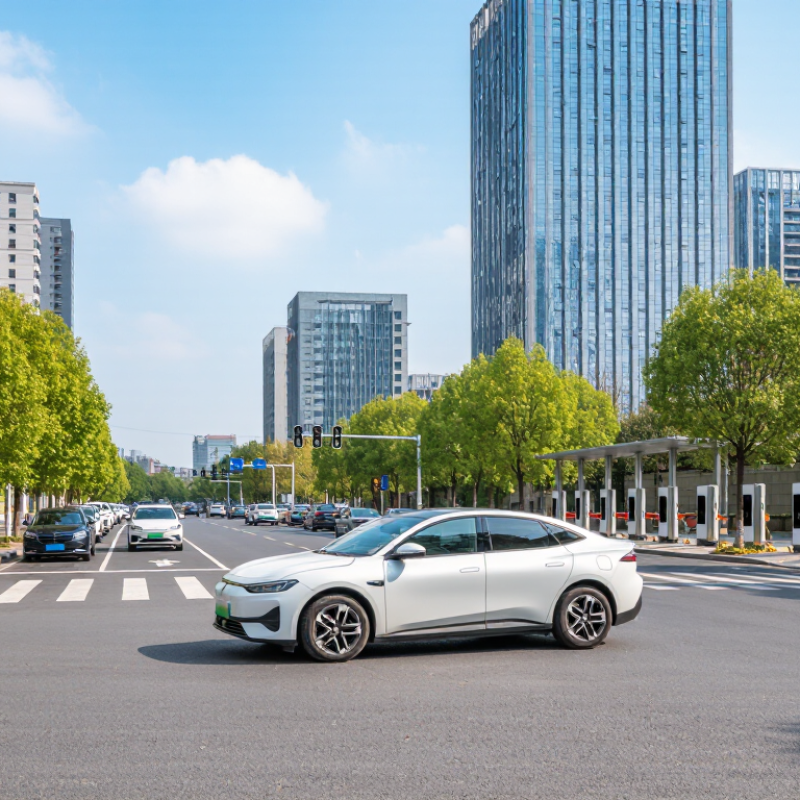
What an EV Is and How Its Powertrain Works
An electric vehicle (EV) moves through an electric powertrain instead of a conventional fuel-burning engine. Its main parts include a battery pack, inverter, electric motor, and reduction gear. The battery stores direct-current electricity. The inverter changes that current for the motor. The motor then creates rotation at the wheels. This system has fewer moving parts than many traditional drivetrains.
Power delivery feels immediate. Pressing the accelerator sends a signal to the control system, which adjusts motor torque within milliseconds. During deceleration, regenerative braking reverses the motor’s role. It acts like a generator and returns some energy to the battery. The process is useful, but it cannot recover all braking energy. Smooth driving still matters.
Charging depends on the battery size, charger output, temperature, and local electrical supply. Slow home charging may suit overnight use. High-power public charging can reduce waiting time, though performance often falls in cold or very hot weather. Battery management software monitors voltage, heat, and charge levels to protect long-term durability. This technology is reliable, but not flawless. Real-world range may differ from official figures because of traffic, hills, heating, luggage, and driving speed. Global buyers should check charging standards, household electricity limits, service access, and climate conditions before choosing an EV.
How EVs Compare with Petrol and Diesel Vehicles
For global buyers, an electric vehicle offers a different driving experience from petrol and diesel vehicles.
Its motor delivers immediate power, which feels smooth during crowded city journeys. There is no tailpipe exhaust while driving, helping reduce local air pollution. Petrol and diesel vehicles still offer familiar refuelling. A full tank can take only a few minutes. That advantage matters in remote areas with limited charging stations.
Charging access matters.
Home charging can make daily travel convenient and predictable, especially for drivers with private parking. Public charging remains uneven between countries, cities, and rural regions. Charging may also take longer during busy periods. EV maintenance is usually simpler because electric drivetrains contain fewer moving parts. However, battery replacement costs can be significant outside warranty coverage. Buyers should examine service terms carefully, not rely on sales language.
Energy prices also change the comparison.
An EV may cost less to run where electricity is affordable and widely available. Its climate benefits depend partly on how that electricity is generated and how the battery is produced. Petrol and diesel vehicles can be more practical for long-distance work, heavy loads, or very cold climates. Weather changes the equation. Cold temperatures can reduce driving range and increase heating demand. I would not call every EV the better choice. A careful buyer should compare annual mileage, charging access, local energy prices, repair support, and driving conditions before choosing.
Why EVs Appeal to Buyers in Different Global Markets
Electric vehicles appeal to buyers in different markets for practical reasons, not fashion alone. In dense cities, quiet motors and zero tailpipe emissions can make short commutes more pleasant. A 12-kilometre school run often uses less energy than many drivers expect. Overnight home charging can simplify daily planning. However, apartment residents may face limited parking access. That gap matters.
In regions with cleaner electricity grids, EVs can reduce driving emissions more substantially. Where power comes mainly from coal, the climate advantage becomes smaller, although efficiency still deserves attention. Hot or cold weather can reduce driving range. Buyers should check local charging maps, battery warranties, repair coverage, and independent test results. These details are more useful than one laboratory range figure. Public charging remains uneven. A dependable route may need two chargers, not one.
Ownership costs also vary through taxes, electricity prices, insurance, and import rules. A realistic estimate should include charging, tires, servicing, and possible battery degradation. Official safety ratings and energy tests provide stronger evidence than showroom claims. Buyers should compare them with their weekly distance and local climate. For some households, a hybrid or efficient petrol car may fit better. That is not failure. It is a sensible reflection. The right choice may be the vehicle that reaches work reliably on a rainy Tuesday.
Why Choose an EV Car for Global Buyers?
Electric vehicles appeal to buyers in different markets as adoption expands worldwide.
In 2023, electric car sales exceeded 14 million globally. China, Europe, and the United States were the largest regional markets, reflecting growing interest in lower operating costs, stricter emissions policies, improved charging access, and wider EV availability.
Source: International Energy Agency, Global EV Outlook 2024. Regional figures are rounded estimates; “Rest of world” is calculated from the global total.
How Charging Access and Driving Range Affect EV Use
Why Choose an EV Car for Global Buyers?
Charging access often matters more than a vehicle’s advertised range. A home charger can turn overnight parking into a full morning routine. In apartment buildings, access may depend on shared spaces, building rules, and local electrical capacity. Public charging is useful, but availability changes between cities, highways, and rural areas. A busy station can add an unexpected delay. Sometimes, planning fails.
Driving range also changes with weather, speed, passengers, and luggage. Cold temperatures can reduce usable range, while fast motorway driving consumes energy quickly. A practical buyer should compare real-world estimates, not only laboratory figures. Leave a safety margin for traffic, detours, and limited charging points. Arriving with very little battery feels stressful.
Daily habits reveal the best fit. Someone driving 40 kilometers to work may charge twice weekly at home. A long-distance driver needs reliable highway stations and clear payment options. Check connector compatibility, charging power, opening hours, and nearby alternatives before purchase. Charging speed is not always consistent. A powerful charger may deliver less energy when several vehicles share it. I would also inspect winter performance and local repair support, because convenient ownership depends on more than battery size. Range anxiety is sometimes caused by poor planning, but unreliable access can be a genuine problem.
Why Choose an EV Car for Global Buyers? - How Charging Access and Driving Range Affect EV Use
| Buyer Profile |
Typical Daily Driving |
Recommended Real-World Range |
Most Suitable Charging Access |
Typical Charging Pattern |
Estimated Energy Use |
Expected EV Convenience |
| Urban commuter |
20–50 km |
200–300 km |
Overnight home charging or workplace charging |
Charge once or twice per week, depending on access and weather |
Approximately 3–9 kWh per day |
Very high when reliable overnight charging is available |
| Suburban family |
40–80 km |
300–450 km |
Home AC charging with occasional public DC charging |
Overnight charging every one to three days |
Approximately 6–16 kWh per day |
High for regular commuting and local trips |
| Apartment resident |
20–60 km |
250–400 km |
Destination charging, shared residential chargers, and public AC/DC networks |
One planned public charging session every three to seven days |
Approximately 3–12 kWh per day |
Moderate to high, depending on charger availability near home |
| Long-distance traveler |
80–200 km |
400–550 km |
Home charging plus dependable high-power DC charging on major routes |
Charge overnight before departure and during planned breaks |
Approximately 12–40 kWh per day |
High on routes with consistent fast-charging coverage |
| Rural or remote driver |
60–150 km |
400 km or more |
Private home charging is strongly recommended |
Charge at home and use public DC charging only when traveling |
Approximately 9–30 kWh per day |
Moderate; route planning becomes important where public chargers are sparse |
| Cold-weather driver |
Any distance |
Choose approximately 20–30% more rated range than the normal daily requirement |
Home charging and frequent access to reliable public fast chargers |
Allow extra charging time and pre-condition the vehicle while plugged in |
Energy use may rise by roughly 10–30% in cold conditions |
Variable; winter range and charging speed can be reduced |
Charging Access and Range Planning Benchmarks
| Charging Method |
Common Power Level |
Approximate Added Range per Hour |
Best Use |
Main Limitation |
| Standard AC outlet |
1.8–3.6 kW |
Approximately 8–25 km |
Overnight charging for low-mileage drivers |
Slow charging and possible circuit limitations |
| Residential AC wall charger |
7.4–11 kW |
Approximately 35–70 km |
Daily home charging and routine commuting |
Requires dedicated electrical capacity and parking access |
| Public AC charging |
11–22 kW |
Approximately 50–140 km |
Shopping centers, offices, hotels, and long parking periods |
Charging may take several hours and vehicle compatibility varies |
| Public DC fast charging |
50–150 kW |
Approximately 200–800 km |
Highway travel and rapid top-ups |
Higher charging cost, variable availability, and slower charging near a high state of charge |
| High-power DC charging |
150 kW or more |
Approximately 500 km or more under suitable conditions |
Time-sensitive long-distance journeys |
Not all vehicles can accept the full power; battery temperature and charge level affect speed |
Notes: Range figures are practical planning estimates rather than official test-cycle results. Energy-use estimates assume approximately 15–20 kWh per 100 km, including normal charging losses. Actual results vary with vehicle size, speed, temperature, terrain, payload, heating or air-conditioning use, and battery condition. Charging estimates are based on approximate usable power and may be lower because of vehicle limits and charging-curve behavior. Global infrastructure context is consistent with public findings from the International Energy Agency and national alternative-fuel infrastructure datasets.
What to Check Before Choosing an EV for International Ownership
Choosing an EV for international ownership requires more than checking range and cabin comfort. Compatibility matters. The International Energy Agency’s Global EV Outlook 2024 reported nearly 14 million electric cars sold worldwide in 2023. They represented about 18% of new-car sales. That growth does not guarantee easy ownership abroad. A vehicle suited to one charging system may become inconvenient across borders.
Check the charging connector, onboard charger, voltage support, and public-network access before paying a deposit. The IEA recorded over four million public charging points globally by the end of 2023, with growth above 40% year on year. Availability still varies sharply between cities and rural routes. Test a local charger if possible. It takes minutes. Ask whether navigation, payment systems, and remote functions work with a foreign SIM card. They may not.
Review battery warranty terms, repair coverage, software language, parts availability, and roadside assistance in writing. The battery deserves special attention because heat, rapid charging, and long storage can reduce usable capacity. Request a certified battery-health report, not only a dashboard estimate. Deloitte’s 2024 Global Automotive Consumer Study also identified charging access as a continuing concern for buyers. Compare local taxes, registration costs, insurance, and resale demand through official sources. Forecasts can miss regional delays. I would leave room for that uncertainty. A cheaper purchase can become expensive when one unavailable component stops the car.