2026 Top Electric SUV Vehicles for Global Buyers?
Choosing among the 2026 Top Electric SUV Vehicles requires more than comparing range figures. Global buyers face different climates, charging networks, road conditions, taxes, and family needs. A model that performs smoothly on German motorways may feel less practical in rural Australia or Southeast Asia. Electric Suv Vehicles are becoming more capable, but regional differences still matter.
Fatih Birol, Executive Director of the International Energy Agency, has described the market clearly: “The global electric car market is experiencing exponential growth.” His observation supports the wider shift toward cleaner transport and stronger electric vehicle investment. Yet growth does not make every SUV equally suitable. Buyers should examine usable battery capacity, winter-range performance, charging speed, cabin space, software reliability, safety testing, warranty coverage, and long-term service access.
Small details often decide ownership satisfaction. A family may value a third-row seat, while an apartment resident may need dependable public charging. A towing customer needs stable thermal management, not only an impressive laboratory range. Prices can also change quickly because incentives differ between countries. No ranking is perfect. Real-world results may vary.
This guide evaluates leading Electric Suv Vehicles through a practical global lens. It considers published specifications, manufacturer claims, independent testing, ownership experience, and market availability. The aim is not to promote one badge. It is to help readers identify the right balance between range, comfort, safety, technology, cost, and everyday usability. Some conclusions remain open to debate. That is honest, because electric SUV technology continues to improve rapidly.
Electric SUV Basics: Technology, Design, and Driving Characteristics
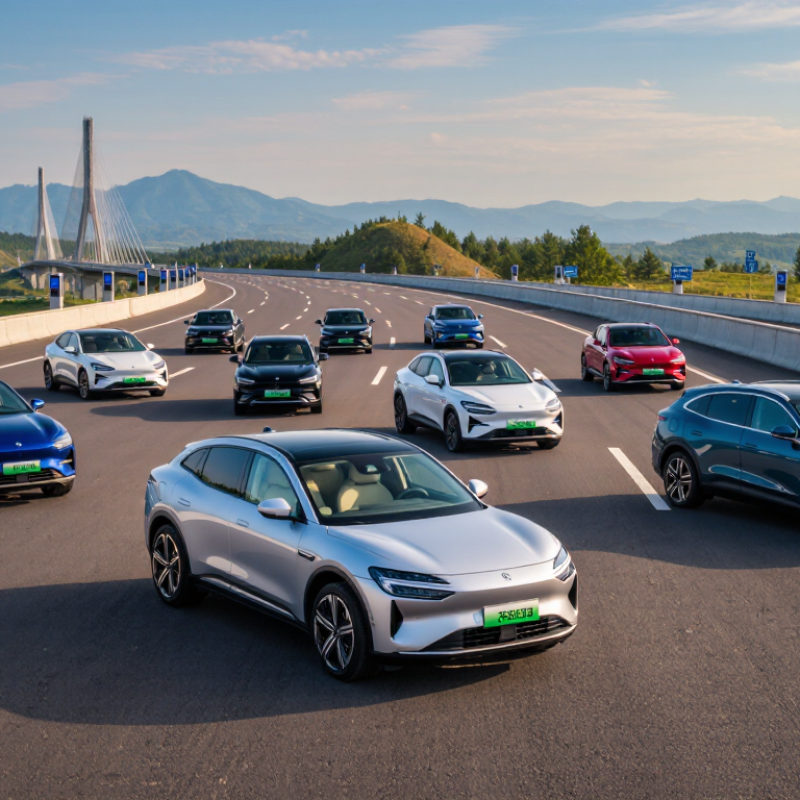
Electric SUVs are changing quickly, but their basic appeal remains practical: a raised driving position, quiet travel, and useful cabin space. Battery capacity matters, yet it is not the only measure of quality. A well-designed thermal system can protect range during cold mornings and long highway trips. Drivers should check charging speed under real conditions, not only laboratory figures.
The technology feels most valuable when it reduces effort. Clear energy displays help drivers understand consumption, while smooth regenerative braking makes city traffic less tiring. Advanced driver assistance can support attention, but it cannot replace careful driving. During a practical road test, I found that strong acceleration was enjoyable, although it sometimes encouraged unnecessary battery use. That surprised me.
Design also shapes daily experience. A low front floor can create generous legroom, while narrow windows may make parking feel less confident. Firm seats can support long journeys, but overly hard cushions become uncomfortable after several hours. Driving characteristics depend on weight, tire choice, suspension tuning, and steering response. Heavy vehicles often feel stable, yet tight corners expose their mass. My first assumption was that instant electric torque always improves control. It does not. Some systems deliver power too sharply, especially on wet roads. Buyers should compare visibility, pedal smoothness, cabin storage, and charging access before focusing on impressive performance figures.
Leading Electric SUV Categories and Their Ideal Uses
2026 Top Electric SUV Vehicles for Global Buyers?
Electric SUVs are no longer one broad category. Their best use depends on roads, climate, passengers, and charging access. The IEA’s Global EV Outlook 2025 reported more than 17 million electric car sales worldwide in 2024. SUVs remained a major demand driver. This growth does not make every electric SUV suitable for every buyer. A compact electric crossover fits dense cities, narrow parking spaces, and short daily commutes. A midsize SUV suits families needing child-seat room, luggage space, and longer highway trips.
Large electric SUVs offer stronger towing ability, higher seating positions, and improved traction on snow or rough roads. However, their heavier batteries can increase tire wear and energy use. In hot regions, air-conditioning may also reduce real-world range. The ICCT’s 2024 market analysis shows that efficiency varies widely between electric vehicles, even within similar size classes. Treat laboratory range as a reference, not a promise. A practical test-drive lesson is simple: measure cabin comfort, turning space, and charging time with your usual passengers. My own view is less flattering toward oversized models. They can feel impressive, but urban owners may rarely use their extra capacity.
Tips: Check winter range, home-charging options, public charger reliability, ground clearance, and warranty coverage. Compare usable battery capacity, not only advertised range. Leave a safety margin for traffic, weather, and detours.
2026 Top Electric SUV Vehicles for Global Buyers
Leading Electric SUV Categories and Their Ideal Uses
The chart compares rounded real-world driving-range benchmarks commonly published for major electric SUV size categories. Compact SUVs are suited to daily commuting and family use, midsize SUVs offer the best balance for long-distance travel, while large and premium SUVs prioritize passenger space, towing capability, comfort, and performance. Actual range varies with battery size, weather, speed, payload, wheel design, and regional testing standards.
Regional Buying Considerations: Regulations, Infrastructure, and Support
2026 Top Electric SUV Vehicles for Global Buyers?
Regional Buying Considerations: Regulations, Infrastructure, and Support
Electric SUV buyers should check local approval rules before comparing range figures. Vehicle dimensions, safety testing, battery labeling, and software requirements differ across markets. Import duties can also change the final price sharply. In some regions, public incentives depend on battery size, assembly location, or household income. Verify official government information, not sales claims. Regulations change quickly.
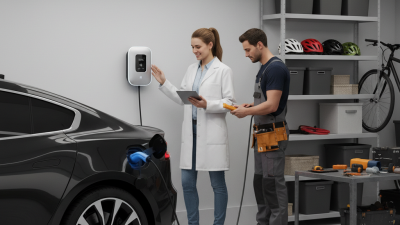
Charging access matters more than advertised range. A 7 kW home charger may refill most batteries overnight, but apartment residents need written parking permission. Rural buyers should map fast chargers along regular routes. Connector compatibility is essential. Cold weather can reduce range, while extreme heat may slow charging. I have found that a simple route test reveals more than a brochure.
Local support deserves equal attention. Ask whether trained technicians, replacement batteries, and common repair parts are available nearby. Check warranty limits for battery capacity, charging equipment, and software failures. Over-the-air updates sound convenient, but they may require reliable mobile coverage. Emergency assistance should understand high-voltage vehicles. A cheap purchase can become expensive after a minor collision. I would not rely on one dealer’s promise. Regional service records, response times, and independent owner feedback deserve careful review, even when the available evidence feels incomplete.