Top EV Car Charger Manufacturers for Global Buyers
Global EV adoption is moving quickly, but charging quality remains uneven. The International Energy Agency’s Global EV Outlook 2024 reports more than 14 million electric cars were sold worldwide in 2023. Public charging points also approached four million units globally. However, charger availability differs sharply between cities, highways, workplaces, and residential areas.
This guide examines Top EV Car Charger Manufacturers for Global Buyers. It focuses on practical purchasing details, including charging speed, connector compatibility, thermal management, software stability, warranty support, and regional certification. Frank Muehl, former CEO of ABB E-mobility, stated, “The future of mobility is electric, and the future of electric mobility is charging.” That observation remains highly relevant. A powerful charger is not automatically a reliable charger.
The IEA also notes that public charging infrastructure must expand substantially before mass EV adoption can mature. Global buyers therefore need more than attractive specifications. They need verified uptime, clear installation requirements, responsive technical support, and dependable spare-parts access. A unit may deliver 22 kW on paper, yet perform poorly in extreme heat or unstable grid conditions. That detail is easy to miss.
Manufacturer comparisons can still be imperfect. Published power ratings rarely reveal long-term field performance. Independent testing, customer feedback, and local installer experience deserve equal attention. This overview uses industry reports and technical evaluation criteria to identify manufacturers with credible global capabilities. It also recognizes an uncomfortable point: the cheapest charger may become the most expensive choice after repeated failures.
EV Charger Types and Their Global Market Roles
Top EV Car Charger Manufacturers for Global Buyers
EV Charger Types and Their Global Market Roles
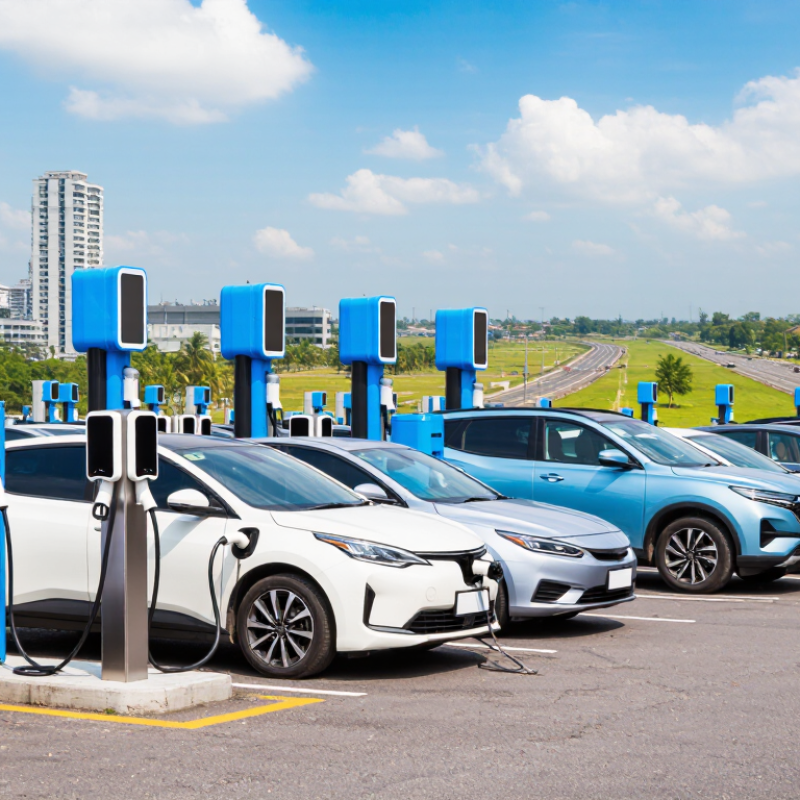
EV chargers serve different roles across global markets. AC home chargers usually deliver steady overnight charging at lower installation costs. They suit apartments, private garages, and workplace parking. Higher-power AC units support drivers who need faster daily turnaround. DC fast chargers serve highways, fleet depots, and busy urban sites. They can restore substantial range within minutes, but they require stronger grid connections and careful thermal management. Wireless charging is still developing and may suit controlled fleets better than general public use.
Regional conditions shape every purchasing decision. Electrical voltage, connector standards, weather, payment systems, and maintenance access all matter. A charger designed for a mild climate may perform differently in heat, dust, or freezing temperatures. Buyers should verify safety certifications, communication protocols, load management, and spare-parts support. Faster is not always better. A site with limited power may need several moderate chargers instead of one high-output unit. Practical assessments sometimes overlook queue patterns, which can create frustrating delays.
Tips
Match charger power with driving habits and local grid capacity. Confirm connector compatibility before installation. Request clear warranty terms and service response times. Test software functions during commissioning. Even careful plans can miss future vehicle growth, so leave room for expansion.
Leading EV Charger Manufacturers by Region
Top EV Car Charger Manufacturers for Global Buyers
Leading EV Charger Manufacturers by Region
Regional charger manufacturers often reflect local grids, climate, and connector standards. In China, suppliers commonly specialize in high-volume DC systems and rapid deployment. The International Energy Agency’s Global EV Outlook 2024 reported more than four million public charging points worldwide at the end of 2023. China held the largest share, supported by dense urban networks and strong public investment. Buyers should examine thermal management, uptime records, and field-service capacity, not only charging speed.
Europe requires careful attention to interoperability and energy efficiency. The European Alternative Fuels Observatory reported continued expansion of public charging infrastructure across the region in 2024. European manufacturers often focus on AC workplace chargers, highway DC units, and load balancing for older buildings. Certification evidence, cybersecurity controls, and compatibility with local grid rules are essential. A polished enclosure means little if replacement parts arrive late.
North American manufacturers face a different operating environment. Cold winters, long travel distances, and varied utility requirements can expose weak cable design or software support. The U.S. Department of Energy’s Alternative Fuels Data Center tracks a rapidly growing national charging network, with public ports increasing significantly in recent years. Buyers should request independently verified uptime data and test units below freezing. Some published performance claims feel optimistic. Real installations may disagree. Dawning integration with solar, storage, and fleet-management platforms also deserves scrutiny, especially for commercial depots.
Top EV Charger Manufacturers for Global Buyers: Regional Market Demand
China represented approximately 60% of the world's public EV charging points in 2023, followed by Europe and the United States. These regional infrastructure shares indicate where charger manufacturers face the greatest deployment demand and localization requirements.
Source: International Energy Agency, Global EV Outlook 2024. Regional figures are rounded estimates based on reported global public charging-point distribution.
Product Standards, Safety, and International Compatibility
Global buyers should judge EV charger manufacturers by verified compliance, not glossy power ratings. The International Energy Agency’s Global EV Outlook 2024 reports that electric car sales exceeded 14 million in 2023. Public charging infrastructure must scale safely with that growth. IEC 61851 defines charging-system requirements, while IEC 62196 covers plugs, sockets, and vehicle connectors. Check the label carefully. Procurement teams should request current test reports, installation instructions, and certificates from accredited laboratories. A declaration alone may not reveal every limitation.
Safety depends on more than electrical output. Look for residual-current protection, temperature monitoring, overload control, and clear emergency isolation. IEC 60529 ingress ratings help assess protection against dust and water, but an IP rating does not guarantee reliable outdoor performance. Salt air, freezing rain, and cable abuse still matter. I have seen specifications appear complete while omitting derating information for hot climates. That omission deserves attention.
International compatibility also requires careful system testing. Connector geometry, grid voltage, frequency, earthing methods, and local communication rules can differ widely. ISO 15118 support may enable advanced vehicle-to-charger communication, but software versions and vehicle compatibility must be verified. OCPP support can improve backend flexibility, yet cybersecurity requires signed firmware, access controls, and secure updates. No checklist is perfect. Even certified equipment can disappoint when commissioning, maintenance, and user training are treated as afterthoughts.
How Global Buyers Can Select the Right EV Charger Supplier
Global buyers need more than a low quotation when selecting an EV charger supplier.
The IEA’s Global EV Outlook 2024 reported over four million public charging points worldwide at the end of 2023. Demand is rising quickly, but charger quality remains uneven. Check connector compatibility, output stability, enclosure protection, and performance in local temperatures. A unit tested in a cool laboratory may struggle beside a dusty, sun-heated parking area.
Request evidence, not promises.
Confirm compliance with relevant IEC standards and regional certification requirements before placing a large order. Ask for factory test records, warranty terms, spare-part availability, and software update procedures. OCPP support can improve system flexibility, while ISO 15118 readiness may support future vehicle-to-grid functions. These features are useful. They are not automatically proof of reliability. Review cybersecurity controls, user authentication, and data-handling practices carefully.
The IEA also noted that public charging infrastructure expanded sharply in 2023, with about 1.7 million new points added globally. This growth makes after-sales capacity especially important. Ask how quickly replacement components can arrive at your destination. Test several samples for cable heating, emergency-stop response, screen visibility, and restart behavior after a power interruption. A small pilot order is often wiser than a container-sized assumption. Pricing still matters, but total cost includes installation, maintenance, software, downtime, and local technical support. Some evaluations miss that last item. It can become the most expensive mistake.