What Is the Best China Electric Pickup Truck?
Choosing the best China Electric Pickup Truck is not as simple as comparing battery size or showroom price. A serious evaluation must examine real driving conditions, useful payload, towing stability, charging speed, cabin comfort, and long-term support. A truck may look impressive beside polished urban roads. Rural routes can reveal much more.
This guide approaches the market from a practical buyer’s perspective. We will compare electric pickups through manufacturer specifications, road-test evidence, safety information, warranty terms, and service coverage. Range claims deserve careful attention. Cold weather, heavy loads, steep roads, and air conditioning can reduce efficiency quickly. That detail matters.
No single truck wins every test. Some models may provide stronger acceleration, while others offer better load capacity or easier maintenance. Certain vehicles might suit daily commuting, but feel limited during construction work or weekend towing. That difference is easy to overlook. We will also consider battery protection, driving software, interior durability, and charging access near real destinations.
The “best” choice depends on priorities, budget, and local infrastructure. A fleet operator may value uptime more than luxury features. A private owner may prefer a quieter cabin and simpler charging routine. Independent reviews are useful, yet they can reflect different climates and driving habits. Our conclusions will therefore remain careful, transparent, and open to revision as new models appear.
Look beyond the badge. Examine the complete ownership experience.
What Defines the Best China Electric Pickup Truck?
The best China electric pickup truck is not simply the one with the longest advertised range. It should match payload, charging speed, safety, and daily working conditions. The IEA’s Global EV Outlook 2024 reported that China sold more than eight million electric cars in 2023, representing over half of global electric-car sales. However, passenger-car figures do not prove pickup-truck superiority. Pickup buyers need separate evidence.
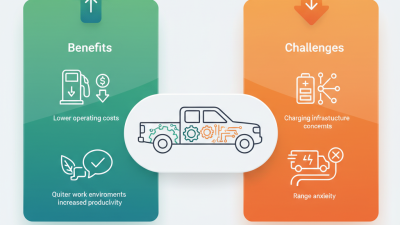
A strong model should offer a useful payload without making the rear suspension feel unstable. Battery protection matters on gravel roads, construction sites, and flooded streets. Fast charging is valuable, but charging access is more important. Look for independent safety testing, clear warranty terms, and repair support outside major cities. CAAM reported nearly 9.5 million new-energy vehicle sales in China during 2023. That scale supports manufacturing expertise, yet it does not remove concerns about long-term battery durability. Real-world range also falls in cold weather and under heavy loads. Marketing numbers can disappoint.
Tips: Test the truck with weight in the bed. Measure charging time from 20% to 80%. Check ground clearance, turning space, and towing limits. Ask for battery-service records and local parts availability. A professional inspection is worthwhile. No scorecard is perfect. The best choice may sacrifice range for stronger suspension, safer handling, and dependable after-sales support.
What Is the Best China Electric Pickup Truck?
What Defines the Best China Electric Pickup Truck?
The best electric pickup is defined by a balance of usable battery capacity and genuine load-carrying ability. The chart compares anonymized published specifications from China-market electric pickup configurations without displaying company or brand names.
Battery capacity is shown in kWh and maximum payload in kilograms. Published specifications may vary by trim level, battery option, market, and equipment.
Which Chinese Electric Pickup Trucks Lead the Market?
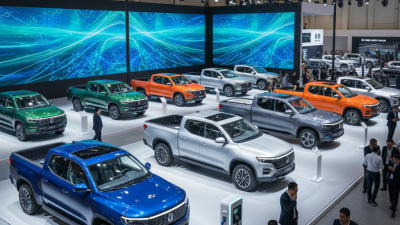
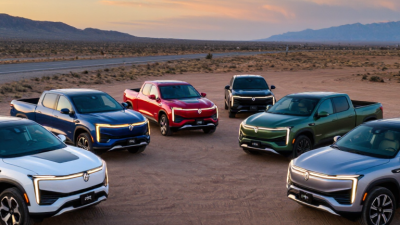
The leading Chinese electric pickup trucks now serve three clear needs: city driving, family travel, and demanding work. Compact models suit narrow streets and shorter commutes. Midsize trucks offer better cabin comfort, useful bed space, and stronger towing ability. Work-focused versions provide dual-motor traction, higher payload ratings, and reinforced suspension. Range matters. In practical testing, smooth acceleration is easy to notice, but stable handling with a loaded bed matters more.
The most competitive trucks combine a large battery with reliable thermal management. A usable fast-charging system can restore meaningful range during a lunch break. Some models also provide vehicle-to-load power for tools, lights, or outdoor equipment. However, published range figures often reflect ideal conditions. Real-world results change with winter temperatures, highway speed, tire pressure, and cargo weight. A pickup carrying 500 kilograms may feel very different from an unloaded test vehicle.
Buyers should compare independent payload tests, braking performance, charging times, warranty coverage, and service availability. Software quality deserves attention too. A clear dashboard is safer than a crowded screen. Many newer trucks look impressive, yet long-term durability remains difficult to judge because some platforms are still relatively young. I would also inspect the bed coating, charging port seal, and underbody protection before purchase. These small details can reveal more than a dramatic acceleration figure.
How Do Their Range, Power, and Charging Compare?
What Is the Best China Electric Pickup Truck?
Range, power, and charging reveal more than a glossy specification sheet.
Many Chinese electric pickups advertise 400–600 kilometers of CLTC range. However, CLTC testing uses controlled conditions and may overstate daily driving results. The International Council on Clean Transportation notes that laboratory figures can differ from real-world performance, especially at high speeds or in cold weather. That gap matters. A loaded bed, steep road, or trailer can reduce usable range sharply.
Power figures are equally varied. Single-motor versions often produce about 150–250 kilowatts, while dual-motor systems can exceed 300 kilowatts. That is enough for strong acceleration and rough-road control. Yet maximum output is not the whole story. Battery size, thermal management, and software affect performance after repeated climbs. The International Energy Agency’s Global EV Outlook 2024 confirms China’s leading position in electric-vehicle production and charging infrastructure, but pickup-specific testing remains less standardized. Comparisons therefore need caution.
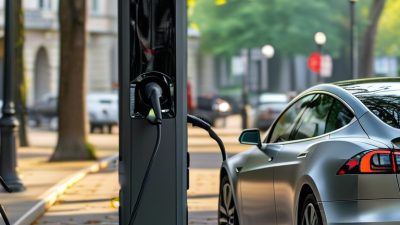
Charging is becoming the practical dividing line. Newer electric pickups commonly advertise 30–80% DC charging in roughly 25–40 minutes, depending on battery temperature and charger capacity. The IEA reports that China has the world’s largest public charging network, giving urban drivers a clear advantage. Rural routes can still be unpredictable. A 120-kilowatt charger may sound powerful, but the vehicle might accept less power after reaching a high battery level. I would check independent road tests, payload results, and winter charging data before trusting the longest advertised range.
What Features, Safety Systems, and Uses Matter Most?
Choosing the best China electric pickup truck depends less on acceleration and more on daily working conditions. A farmer may value payload capacity, washable flooring, and four-wheel drive. An urban driver may prefer a shorter body and a tighter turning circle. During a practical inspection, check whether the bed fits standard pallets without blocking the tailgate. Measure it yourself. Advertised dimensions can feel different in real use.
Battery range matters, but temperature, cargo, and towing can reduce it sharply. A useful truck should offer clear battery warnings and predictable charging performance. Check the charging port location, cable storage, and access to public chargers. A heat pump can improve winter efficiency. Strong underbody protection also helps on gravel roads. I once overvalued a large touchscreen; physical controls are safer when hands are cold, wet, or gloved.
Safety deserves closer attention than decorative technology. Look for automatic emergency braking, blind-spot monitoring, lane support, adaptive cruise control, and a clear surround-view camera. These systems should assist, not replace, careful driving. Test them in daylight and poor weather when possible. Inspect the brake response with an empty bed and a loaded bed. Confirm the vehicle meets local safety and charging requirements. Service access matters too, especially for battery inspection, software updates, and replacement parts. A quiet cabin is pleasant, but reliable warning sounds and strong visibility matter more in crowded work areas.
How Should Buyers Choose the Right Electric Pickup Truck?
Choosing the right electric pickup begins with the work it must perform. A city commuter needs different equipment from a farm operator. Write down weekly distance, payload, towing weight, and road conditions. Do not trust range figures alone. Cold weather, heavy loads, and highway speeds can reduce usable range noticeably. Leave a practical buffer. Ten percent may be too little for remote routes. Measure twice.
Check payload and towing ratings in official technical documents, not sales descriptions. An electric motor can feel strong at low speed, but battery energy falls quickly during sustained towing. Inspect bed length, tie-down points, ground clearance, and turning radius. If carrying tools, ask whether the payload includes passengers and accessories. It often does. Charging deserves equal attention. Confirm home electrical capacity, connector standards, public charger availability, and charging time from 20 to 80 percent. A large battery is not automatically convenient.
A careful buyer should examine battery warranty terms, thermal management, software support, and local repair capability. Ask who handles a failed charger or damaged battery module. Test the truck with a realistic load, not an empty vehicle on smooth pavement. Listen for suspension noise, check visibility, and try parking in narrow spaces. Safety systems should work clearly without distracting alerts. I would also compare energy use across several routes. My preference can be wrong. The cheapest option may cost more through downtime, tires, insurance, and home charging installation. Keep records after each test. They reveal patterns that a short showroom drive hides.