Leave Your Message

How to Choose the Best EV Car Charger in 2026?

Choosing the Best EV Car Charger in 2026 requires more than comparing charging speed and price. Your daily driving pattern matters. So does your home’s electrical capacity.

A charger may promise 22 kW, but many homes cannot deliver that power safely. A smaller 7.4 kW unit may be more practical, especially for overnight charging. Look closely at connector compatibility, cable length, weather resistance, and installation requirements. A cold driveway can expose weak cable insulation. A poorly positioned wall box can make every charging session frustrating.

Claas Bracklo, a respected CharIN leader and electric-mobility specialist, has emphasized, “Charging must become as easy as refueling.” That principle remains important in 2026. The best Ev Car Charger should feel simple, dependable, and nearly invisible in daily life.

Smart features also deserve careful judgment. Dynamic load balancing can prevent household overloads. Solar integration may reduce grid consumption. Remote monitoring can show charging costs while you are away. However, more software does not always mean better ownership. Some apps feel unfinished. Some updates create confusion.

Safety should lead every decision. Choose equipment tested by recognized certification bodies. Use qualified installation support. Never treat maximum power as the only measure of value.

This guide examines real-world charging needs, not just laboratory claims. It will compare speed, reliability, connectivity, installation cost, and long-term usability. There is no perfect charger. Your best choice depends on your vehicle, property, budget, and patience.
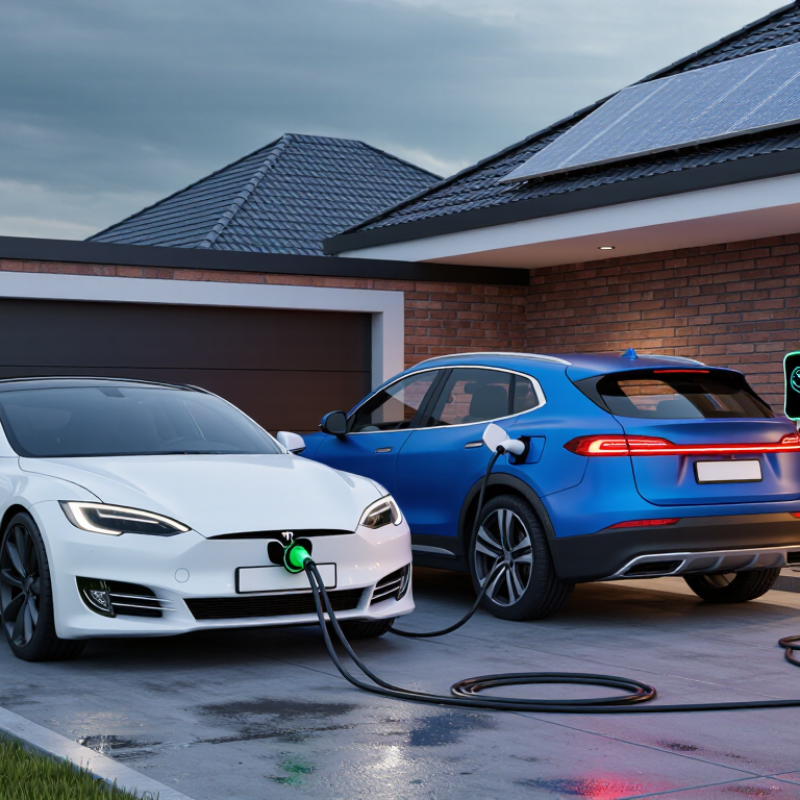
How to Choose the Best EV Car Charger in 2026?

Understanding EV Charger Types and Charging Standards

How to Choose the Best EV Car Charger in 2026?

Choosing an EV charger starts with understanding its charging type. Level 1 uses a standard household outlet and suits low-mileage drivers. It is slow, but simple and inexpensive. Level 2 needs a dedicated circuit and delivers much faster home charging. For many households, it offers the best balance between speed, cost, and daily convenience. DC fast charging is designed for public locations. It can add substantial range during a short stop, but frequent use may increase battery heat and operating costs.

Charging standards also matter. AC connectors differ by region, including Type 1 and Type 2 formats. DC systems may use CCS, CHAdeMO, or newer regional standards. The connector must match your vehicle’s inlet. Software compatibility matters too. Some chargers support ISO 15118 features, such as automated identification and controlled energy management. Check the vehicle manual, not only the charger’s product label. Labels can be confusing.

Tips: Measure your parking distance first. A cable that barely reaches becomes annoying in winter. Check your home’s electrical capacity with a qualified electrician. Leave room for ventilation and safe cable storage. I would also recheck charging speed claims under real conditions, because temperature, battery level, and installation limits can reduce performance. Faster is not always better. Reliability often matters more.
Matching Charger Power to Your Electric Vehicle

How to Choose the Best EV Car Charger in 2026?

Matching Charger Power to Your Electric Vehicle

The best EV charger is not always the most powerful model. Your vehicle’s onboard charger sets the maximum AC charging rate it can accept. A 7.4 kW charger will not charge a car faster if the vehicle accepts only 3.6 kW. Check the owner’s manual before comparing equipment.

For many home drivers, a 7 kW AC charger suits overnight charging. It can add roughly 25 to 40 miles of range per hour, depending on vehicle efficiency and battery temperature. Larger vehicles may benefit from 11 kW charging, but only with compatible hardware and suitable electrical capacity. A 22 kW unit sounds impressive. However, most homes and vehicles cannot use its full output.

I once assumed that higher power meant better value. That was too simple. A lower-power charger may reduce installation costs and still refill the battery before morning. Ask an electrician to assess the circuit, cable size, protective devices, and load management options. Avoid relying on a standard household socket for daily high-current charging unless it is specifically inspected and approved for that use. Charging speed also changes in cold weather, near a full battery, and during shared household demand. Plan around real conditions, not the number printed on the box.

Evaluating Home Electrical Capacity and Installation Needs

Choosing an EV charger starts with the home’s electrical capacity, not the charger’s screen or cable length. The U.S. Department of Energy’s Alternative Fuels Data Center defines Level 2 charging as 208–240 volts, commonly drawing 16–80 amps. At 240 volts and 32 amps, a charger can demand about 7.7 kilowatts continuously. That load may exceed an older home’s spare capacity.

Check the service rating, main breaker, panel space, and existing appliances. An electrician should perform a load calculation before installation, especially in homes with electric heating, water heating, or induction cooking. The International Energy Agency’s Global EV Outlook 2024 confirms that home charging remains central in major EV markets. Convenience, however, depends on safe wiring. A short cable is not the only problem.

During a site inspection, note the distance from the panel to the parking space. Long cable runs can increase installation cost and voltage drop. A dedicated circuit, correct overcurrent protection, grounding, and outdoor-rated equipment are essential. I would not assume a 100-amp service automatically supports overnight charging. That assumption is easy, and sometimes wrong. Smart load management may reduce peak demand, but it cannot repair undersized wiring. The final choice should match the vehicle’s onboard charging limit and the household’s real nighttime electricity use. Check twice.

How to Choose the Best EV Car Charger in 2026? - Evaluating Home Electrical Capacity and Installation Needs

Use this comparison to match charging speed with the vehicle, available electrical capacity, circuit requirements, installation conditions, and daily driving needs.

Charging Option Typical Voltage Typical Current Approximate Power Estimated Range Added per Hour Typical Home Electrical Requirement Best Use Case
Level 1 AC 120 V, single-phase 12–16 A 1.4–1.9 kW Approximately 3–8 km (2–5 mi) Standard grounded outlet; a dedicated circuit is recommended for continuous charging. Low daily mileage, overnight charging, or locations without a 240 V circuit.
Level 2 AC, moderate output 208–240 V, single-phase 16–32 A 3.3–7.7 kW Approximately 16–48 km (10–30 mi) Dedicated 20–40 A double-pole circuit, depending on the charger's rated output. Most homes and drivers who need reliable overnight charging.
Level 2 AC, high output 208–240 V, single-phase 40–48 A 9.6–11.5 kW Approximately 48–72 km (30–45 mi) Dedicated 50–60 A double-pole circuit; service and panel capacity must be verified. Higher daily mileage, larger battery vehicles, or shorter charging windows.
Level 2 AC, maximum residential output 208–240 V, single-phase 60–80 A 14.4–19.2 kW Approximately 72–121 km (45–75 mi) Dedicated 75–100 A circuit in many installations; often requires electrical upgrades. Only when the vehicle accepts the power and the home service can safely support it.
DC Fast Charging Typically 200–1,000 V DC output Varies widely by equipment and vehicle Commonly 50 kW or more Approximately 160–1,000+ km (100–620+ mi) per hour under suitable conditions Usually requires commercial-grade three-phase power, specialized equipment, permits, and major site work. Public or fleet charging; generally impractical for standard residential installation.
Electrical Capacity Check Home service voltage Confirm service rating Review total demand Not applicable Check the main service rating, available breaker spaces, existing large loads, and panel condition. Required before selecting a high-output charger.
Continuous-Load Planning Usually 120 or 240 V AC Charging may run for several hours Use the charger's maximum continuous load Not applicable In jurisdictions following NEC principles, continuous loads are commonly sized at 125% of the load; local rules control. Preventing breaker trips, overheating, and undersized conductors.
Cable and Conduit Route Depends on charger location Depends on circuit size and distance Longer runs may require larger conductors Not applicable Evaluate distance from panel, indoor or outdoor routing, conduit, weather exposure, and wall penetration. Estimating installation complexity and labor cost.
Load Management Usually 240 V AC Automatically adjusts charging current Can reduce peak electrical demand May vary by household load Useful when service capacity is limited or when charging overlaps with heating, cooling, cooking, or other large loads. Homes that cannot easily support a full-size dedicated circuit.
Outdoor Installation 120 or 208–240 V AC Based on charger rating Based on charger rating Same as the selected charging level Equipment should be listed for outdoor use; use weather-resistant fittings, appropriate enclosure protection, and suitable cable. Driveways, carports, and unheated garages.
Permits and Inspection Varies by jurisdiction Varies by installation Varies by installation Not applicable Many jurisdictions require an electrical permit and inspection, especially for new circuits, panel work, or service upgrades. Ensuring code compliance, insurance compatibility, and safe commissioning.
Vehicle Compatibility Check the vehicle's accepted input Check the onboard charger limit Charging speed is limited by the vehicle Depends on battery size, state of charge, temperature, and vehicle limits A charger with a higher rating will not increase speed beyond the vehicle's maximum AC input. Choosing a charger that matches the vehicle rather than paying for unused capacity.

Important: Actual charging speed varies with vehicle acceptance rate, battery state of charge, temperature, wiring, utility voltage, and local electrical regulations. Have a qualified electrician verify the service capacity, circuit sizing, grounding, protection, permits, and installation method before work begins.

Comparing Safety Features, Smart Functions, and Connectivity

How to Choose the Best EV Car Charger in 2026?

Safety should guide the charger choice before charging speed. Look for certified electrical protection and clear installation instructions. Residual-current detection can cut power when leakage appears. DC leakage monitoring adds another layer of protection. Thermal sensors should watch the plug, cable, and internal components. Useful safeguards.

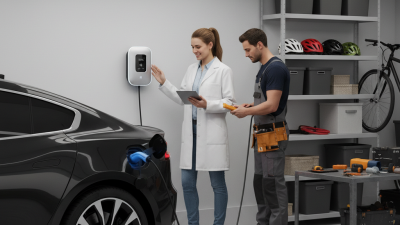
Check the enclosure rating if the charger sits outdoors. Rain, dust, sunlight, and winter temperatures can weaken poorly protected equipment. A secure cable holder prevents trips and reduces connector damage. During a home installation, ask an electrician to verify circuit capacity, grounding, and breaker coordination. A powerful charger is not automatically safer.

I once underestimated cable length, and the connector rested awkwardly against a wall. Small details matter.

Smart functions should solve real charging problems, not create extra screens. Load balancing can reduce household circuit stress when an oven or heat pump starts. Scheduling may use cheaper electricity periods, while solar-aware charging can follow changing daylight. Firmware updates should be authenticated and reversible when possible.

Connectivity also deserves careful testing. Wi-Fi is convenient, but Ethernet or local Bluetooth control may work better in a weak-signal garage. Choose encrypted communication, strong account protection, and clear data permissions. The charger should continue safely if the internet fails. A cloud-only design can be frustrating.

Before buying, test the app, read its privacy terms, and confirm whether basic charging works without a subscription. Good specifications help, but daily reliability is easier to judge beside your actual parking space.

Selecting a Charger Based on Cost, Warranty, and Future Use

How to Choose the Best EV Car Charger in 2026?

Cost should mean more than the purchase price. Installation, electrical upgrades, energy losses, and possible repairs also affect ownership. The U.S. Department of Energy’s Alternative Fuels Data Center identifies Level 2 charging as a 240-volt solution suited to overnight home charging. A practical choice usually matches your daily mileage, available circuit capacity, and parking conditions. Installation still matters.

Warranty terms can reveal product quality more clearly than marketing claims. Check coverage for the control box, cable, connector, display, and replacement labor. Some warranties exclude outdoor exposure, heat damage, or incorrect installation. Small print matters. I would favor clear repair procedures over a longer promise with difficult service requirements. The International Energy Agency reported more than 17 million electric cars were sold globally in 2024. That growth suggests your charger may serve more than one vehicle during its lifetime.

Tips: Calculate weekly energy needs before choosing charging power. Select weather protection suitable for your parking area. Leave capacity for a future vehicle, but avoid paying for power your home cannot safely support. Ask an electrician about load management before installation. Also, record the charger’s serial number and installation date. No forecast is perfect, and battery sizes may change faster than expected. A modest, upgrade-ready charger can be wiser than an oversized one today.